Vandalism Claims
Vandalism is covered under comprehensive coverage, so if your policy has it, the damage is a claim, not a loss you carry alone.
Comprehensive exists for exactly this kind of damage
Vandalism falls under comprehensive coverage because it's damage that happens to your car when you're not driving it and didn't cause it. Comprehensive is built for the things that happen to a parked car, weather, animals, falling objects, theft, and vandalism all sit in the same category. If comprehensive is on your policy, a scratched hood or a smashed window is treated the same way a cracked windshield would be.
The reason this isn't automatic is that comprehensive is optional in most places, and some drivers who financed or leased their car have it without realizing it was required by the lender. Drivers who own their car outright sometimes drop comprehensive to save money, not knowing it's the only coverage that responds to vandalism. Check your policy's declarations page for the word comprehensive. If it's not listed, there's no claim to file for this kind of damage, no matter who caused it or how much it costs to fix.
What you pay out of pocket and what the insurer covers depends on your deductible, which is a set amount that varies by policy. The insurer pays the cost of repair above that amount, once they've assessed the damage. If the vandalism is severe enough that repair costs more than the car is worth, the insurer may declare it a total loss instead, and pay out the car's value rather than fixing it.
Filing a police report matters even though insurance doesn't require a conviction or an arrest. The report creates an official record of when and what happened, which supports your claim and can matter later if the vandal is identified and restitution becomes possible. Some insurers ask for the report directly, others just want the number on file.
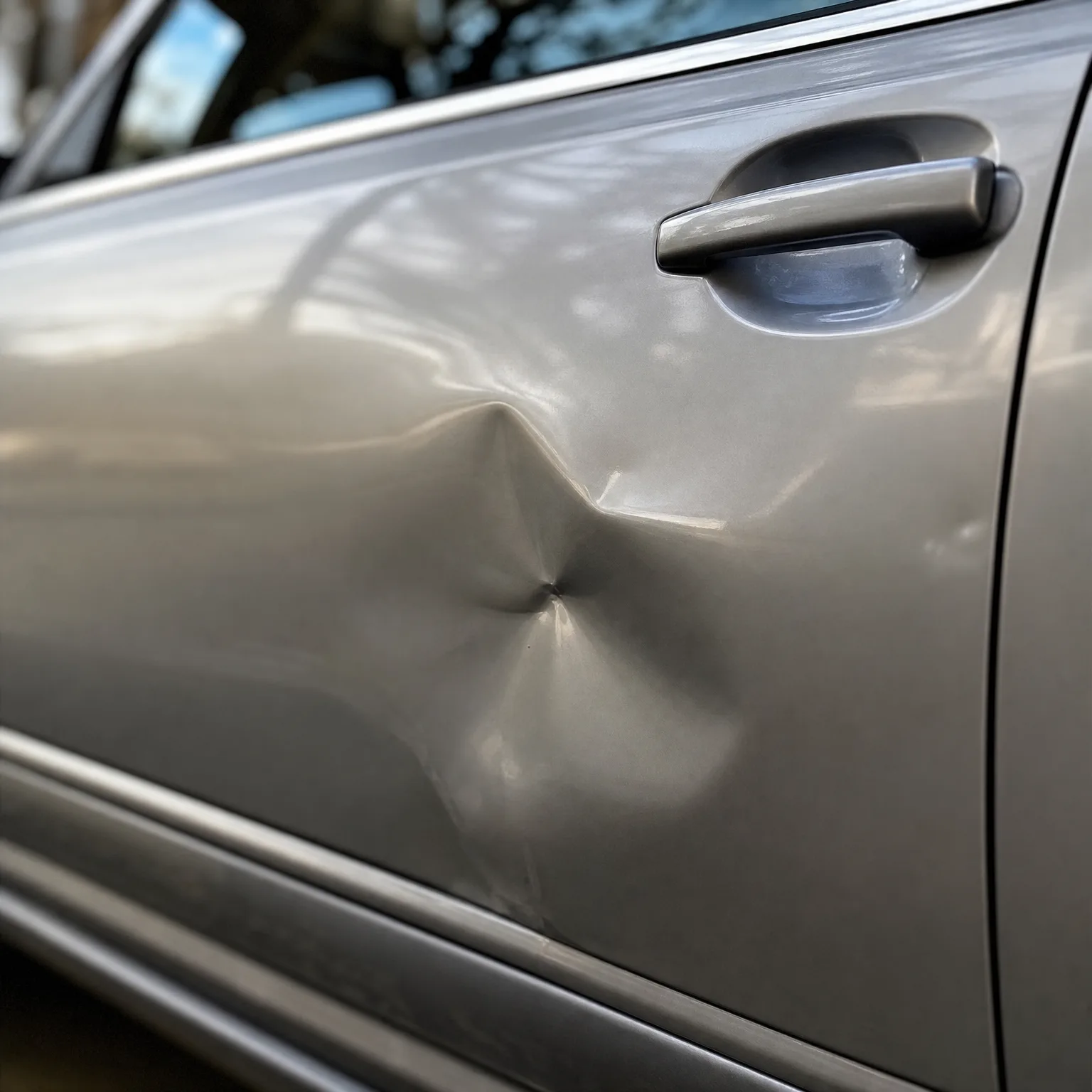
A car keyed in a parking garage overnight
A driver parked in a covered garage near their apartment and came out the next morning to find deep scratches down both sides of the car. No note, no witness, nothing stolen. They weren't sure at first whether this was worth reporting since nothing was broken into and the car still ran fine, but the scratches ran through the paint to the metal and a body shop quoted repair costs well above what felt reasonable to absorb alone.
They filed a police report first, mostly to have the date and description on record, then called their insurer to start a claim under comprehensive. The insurer sent an adjuster to inspect the car and compare the estimate against the body shop's quote. Because the damage was cosmetic and the car was still drivable, there was no need for a rental during the inspection, but the claim covered the full repair once the deductible was applied. The driver kept the repair records in case the scratches affected resale value later.

Whether you file a police report before calling your insurer
If you do
Filing first gives you a report number to hand the insurer right away, which speeds up the claim and gives it more weight. It also creates a record if the person responsible is ever identified, since restitution sometimes becomes possible later. Most insurers expect this step and may ask for it directly.
If you don't
Skipping the report doesn't block your claim in most cases, but it weakens the paper trail if questions come up later. You're relying only on your own account and photos. If the damage is serious, file a report afterward, though it won't carry a same-day timestamp.
Once you know comprehensive covers this, compare quotes to see what it would cost to add or keep it.
Will my rate go up after a vandalism claim?
It can, but not for the same reason an at-fault accident would raise it. Vandalism is filed under comprehensive, and insurers generally treat comprehensive claims as less predictive of future risk since you didn't cause the damage and couldn't have prevented it. Many insurers still factor in the fact that a claim was paid at all, even a no-fault one, because it affects how much they've paid out on your policy overall.
How much it affects your rate depends on your insurer, your claims history, and the state you're in, since rules about surcharges vary. Some insurers offer forgiveness for a first comprehensive claim. The only way to know your specific situation is to ask your insurer directly before filing, so you're not guessing afterward.

Does vandalism coverage include a cracked windshield from a rock or deliberate damage?
Both are covered under comprehensive, since it doesn't matter whether the cause was natural or intentional, only that you didn't cause it while driving. The claim process is the same either way. What changes is whether you file a police report, which usually matters for deliberate smashing but not for a rock on the highway. Check whether your policy has separate glass coverage, since some insurers handle windshield repairs with no deductible at all.
What if I don't know who vandalized my car, does that affect my claim?
No, comprehensive coverage doesn't require you to identify who caused the damage. Most vandalism claims are filed without ever finding the person responsible. The police report documents the incident for the record, not to assign blame to a specific person. What matters for your claim is evidence that the damage happened and roughly when, through photos, witness accounts, or the report itself.
Can I still file a vandalism claim if I don't have comprehensive coverage?
No, comprehensive is the only coverage that responds to vandalism, so without it there's no claim to file through insurance. You'd be paying for repairs yourself. Check your declarations page to confirm what you carry before assuming you're out of options. If you don't have comprehensive, this is worth reconsidering for next time, since vandalism is unpredictable and can happen anywhere a car is parked.