Break Ins and Broken Windows
A broken window or a missing car is covered by comprehensive coverage, not the liability part of your policy, if you carry it at all.
Theft and vandalism fall under comprehensive coverage
Car insurance splits into pieces, and the piece that pays for a smashed window or a stolen car is comprehensive coverage. It's not automatic. Some drivers carry only liability, which pays for damage you do to others, and liability does nothing for you here. Whether comprehensive is on your policy is the first thing to find out, and you can find out by checking your declarations page or calling your agent.
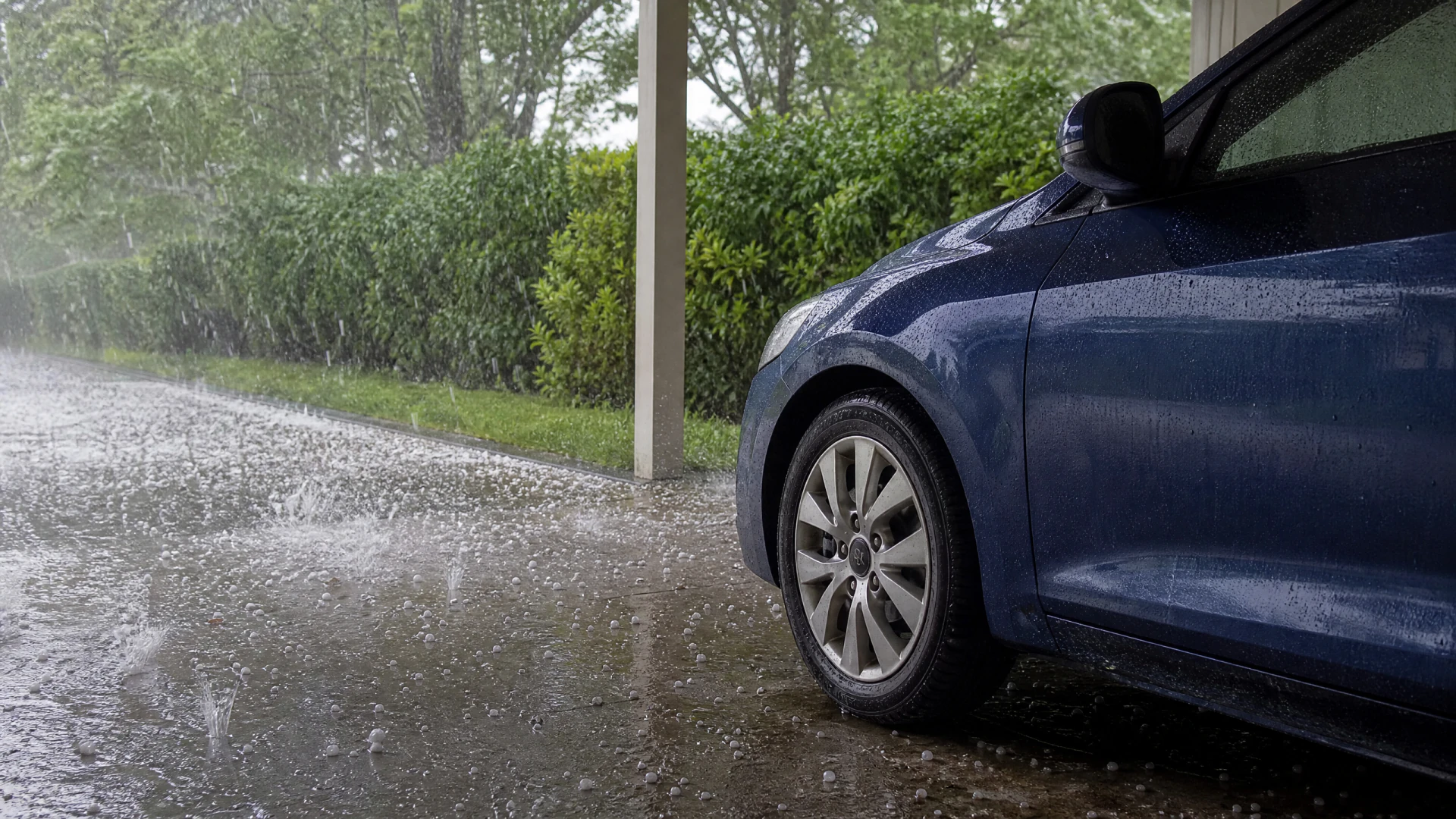
If comprehensive is there, it treats theft and vandalism as a loss to your own car, similar to how it would treat a falling tree branch or a hailstorm. The insurer will ask you to file a report, document the damage or the loss, and then they'll either pay to repair the car or, if it's stolen and not recovered, pay out its value after a waiting period. That waiting period exists because recovered cars turn up often enough that insurers give it time before declaring a total loss.
What you're owed depends on whether the car comes back and in what shape. A recovered car gets repaired, and you're responsible for a deductible, the amount you agreed to cover yourself in exchange for a lower premium. A car that never comes back gets valued at what it was worth right before the theft, not what you paid for it or what you owe on it. That gap matters most if you're still financing or leasing, since a loan balance can run ahead of a car's value for the first few years.
State rules shape some of this differently. How long an insurer waits before declaring a car a total loss, what documentation police require, and whether your state treats a leased car's insurance requirements differently are all things that vary. Check your policy and your state's insurance department for the specifics that apply to you.
What if I'm still paying off the car and it's totaled?
Your insurer pays what the car was worth, not what you owe, and those two numbers often don't match. If your loan balance is higher, you cover the difference yourself unless you carry a separate coverage built for exactly this gap.
That coverage is often tied to the loan or lease itself, and lenders sometimes require it. Check your loan documents and your policy together, since one might already include it even if you don't remember adding it. If neither does, ask your insurer whether you can add it now, though it typically has to be in place before the loss, not after.
Whether you're made whole here was decided back when you chose your coverage, not today.
Once you know what comprehensive would have covered, compare quotes that include the protection you actually want.

Whether you carry comprehensive coverage
If you do
You file a claim, pay your deductible, and the insurer handles the rest. A stolen car gets a payout after a short wait if it's not found, and a smashed window gets repaired. Your rental or ride costs may be covered too, depending on what else is on your policy.
If you don't
You pay for the window, the repairs, or the car itself, entirely out of pocket. The insurer isn't involved because the coverage that applies here was never added. If you're still financing the car, you also keep paying the loan on a car you may no longer have.
What to do in the first days after it happens
- File a police report Insurers require this before they'll consider the claim, and it also creates a record if the car turns up later. Do this before anything else.
- Check for comprehensive Look at your declarations page or call your agent to confirm it's there. If it's not, the loss likely falls on you.
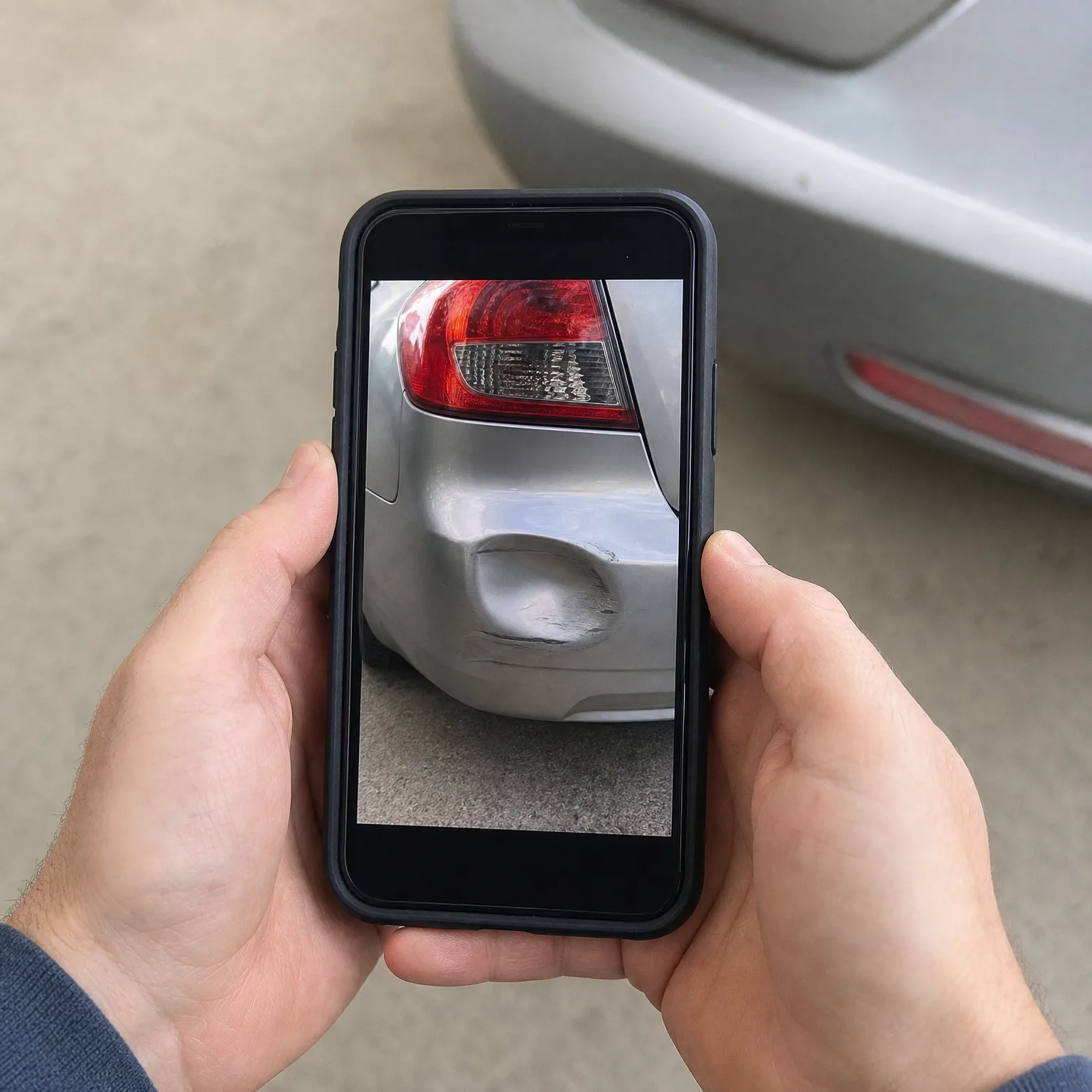
- Document everything Photograph damage, list what was taken, and keep receipts for anything you pay for in the meantime. This speeds up the claim and protects you if there's a dispute.
- Ask about rental coverage Some policies include a rental or ride allowance while your car is repaired or replaced. Ask before assuming you'll pay for a rental yourself.
- Tell your lender too They have a stake in the car and may require specific steps. This also matters if the payout ends up lower than your loan balance.
How long does it take for a stolen car to be declared a total loss?
It depends on your state and your insurer, and there's no single answer. Insurers wait because stolen cars are recovered often enough that paying out too early creates problems if the car reappears. Check your policy or ask your adjuster directly for the timeline that applies to your claim, since it can range from under a week to several weeks. If the car is recovered before that point, the claim shifts from a theft payout to a repair claim instead, which changes what you're owed.
Will my insurance rates go up after a theft or vandalism claim?
Often not as much as you'd expect, because theft and vandalism aren't considered your fault the way an at-fault accident is. Some insurers still factor any claim into future pricing, while others treat comprehensive claims more gently. This varies by insurer and sometimes by state rules on what can be used to raise rates. Ask your agent directly how this particular claim will be treated before you decide whether to file, especially if the damage is minor enough that paying out of pocket might make more sense.
Can I still get comprehensive coverage after my car was broken into?
You can add it going forward, but it won't apply to a loss that already happened. Coverage has to be in place before the event, not after, which is true for every type of car insurance. If this break-in or theft revealed you didn't have comprehensive, the right move is adding it now so you're protected the next time, not expecting it to help with the current claim. Ask your insurer when the new coverage actually takes effect, since there can be a short delay.