Car Broken Into What to Do
Document the damage, call the police, then call your insurer, since comprehensive coverage usually handles break-ins after your deductible.
Do these things in order before you touch anything else
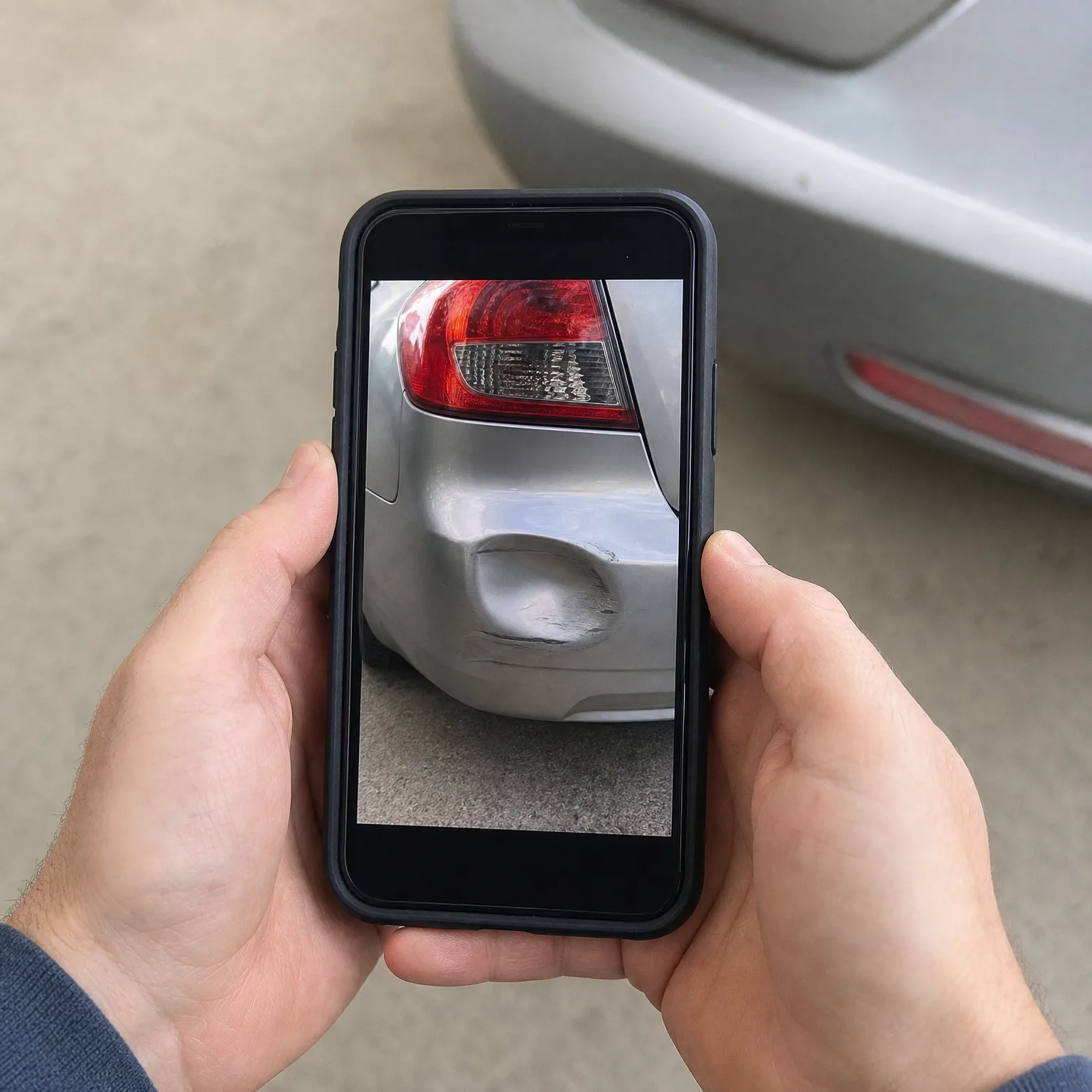
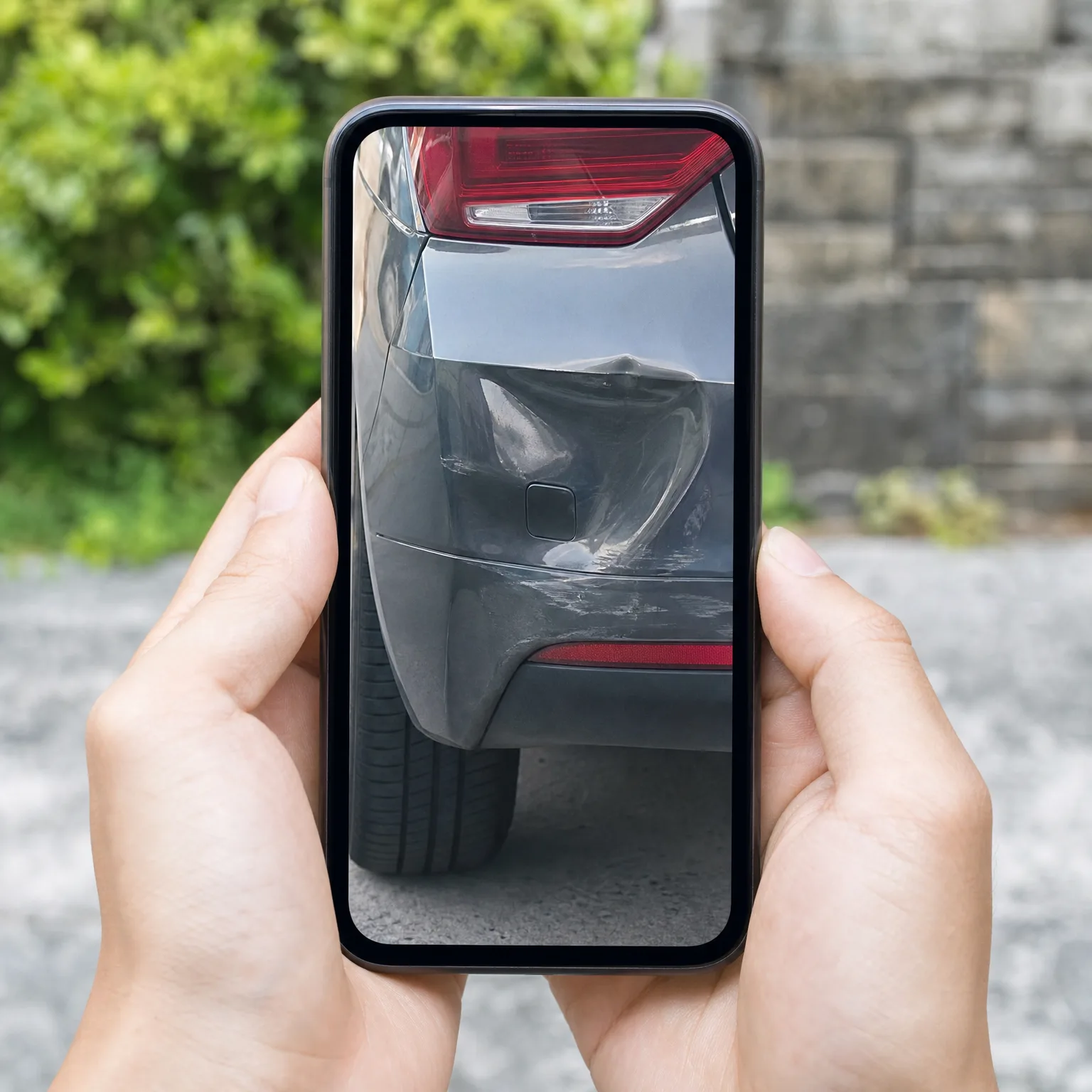
- Photograph everything first Take pictures of the broken window, forced locks, and missing items before you clean up or move anything. Your insurer and the police will both want to see the scene as it was.
- File a police report Call non-emergency police to file a report and get a report number. Insurers usually require this to process a theft or vandalism claim.
- Check your coverage Look at your policy for comprehensive coverage, since that's what pays for break-ins, theft, and vandalism, not liability alone. If you're not sure, call your agent or insurer and ask directly.
- List what's missing Write down every item taken or broken, including the window or lock itself. Keep receipts or estimates if you have them, since this list becomes part of your claim.
- Start the claim Call your insurer with your police report number and your list of damage. Ask what your deductible is and whether a rental car is included while repairs happen.
Will my insurance rates go up after a break-in claim?
They might, but it depends on your insurer and your state, and it's often less than people expect since break-ins are usually filed as comprehensive claims rather than at-fault accidents. Comprehensive claims are typically treated as something that happened to you, not because of anything you did wrong, so many insurers weigh them differently than a collision you caused.
That said, filing any claim can affect pricing at renewal, and a pattern of multiple claims matters more than a single incident. Some states limit how much a single comprehensive claim can affect your rate, and some insurers offer forgiveness for a first claim. Ask your insurer directly how this specific claim is likely to affect your policy before you decide whether to file, especially if the damage is close to your deductible.

Filing a comprehensive claim for the break-in
If you do
Your insurer opens a claim, you pay your deductible, and they cover repairs and often a rental car while the work is done. An adjuster may inspect the damage or approve a shop estimate. The claim goes on your record, but comprehensive claims often affect pricing less than at-fault accidents.
If you don't
You pay for the broken window, locks, or stolen items yourself, with no deductible and no claim on your record. This usually makes sense if the damage is minor and close to what your deductible would be anyway, since filing wouldn't save you much.
Once you know how this claim affects your coverage and rates, compare quotes to see if better comprehensive terms exist.
A window smashed overnight in a parking lot
You walk out to find your back window shattered and a bag taken from the back seat. There's no note, no witness, nothing but glass on the seat and pavement. You call the police non-emergency line, and an officer comes out within the hour to document the scene and give you a report number.
You photograph the broken glass, the empty space where the bag was, and the surrounding area before you touch anything. That evening you call your insurer, give them the report number, and learn you have comprehensive coverage with a deductible. They open a claim, approve a nearby shop to replace the window, and authorize a rental car for the two days it takes. You pay the deductible at pickup, and the rest is covered. At renewal, your rate stays roughly the same, since the insurer treats it as a comprehensive claim rather than a driving issue.
Why insurance handles break-ins this way
Comprehensive coverage exists specifically for the things that happen to your car that you can't control, like theft, vandalism, weather, and break-ins. Liability coverage, which many drivers carry because it's required, only pays for damage you cause to others. It does nothing for your own car. This is why so many people are surprised after a break-in, since they assumed insurance meant insurance, without realizing their specific policy might not include comprehensive at all.
Insurers ask for a police report because it creates an official record of what happened, which protects both you and them from fraudulent claims. It also sometimes helps recover stolen property, though that's secondary to its role in the claims process. The deductible you pay exists because comprehensive coverage is meant to handle real losses, not minor ones, and insurers price policies assuming small claims won't be filed.
What varies by state and insurer is how claims affect your future rates, whether accident forgiveness programs apply to comprehensive claims, and how rental car coverage works if you have it. Some policies include rental reimbursement automatically, others require you to have added it beforehand, and some states regulate how insurers can use a single claim to adjust pricing. None of this changes whether you should file, but it does change what you should expect afterward.
The main exception to this whole picture is if you don't carry comprehensive at all, often because you own an older car outright and dropped it to save money. In that case the break-in is an out of pocket expense, and knowing this before anything happens is the only way to avoid the surprise.