How to Tape Up a Shattered Car Window
Clear the loose glass, then tape heavy plastic over the opening from both inside and outside so wind can't peel it loose.
The goal is a seal that survives wind, not a pretty patch
A shattered window is a hole that highway speed will find. Tape alone, laid once over the opening, peels back within a few miles because wind pressure works at every edge. The fix that holds is a sheet of plastic sandwiched between tape on the outside and tape on the inside, so the frame itself is gripping the plastic from both directions instead of one strip trying to fight the wind by itself.
Clearing the glass first matters more than the tape itself. Loose shards left in the frame or seat will shift as you drive, cut you later when you reach for something, or work their way into the door mechanism. A shop vacuum or a stiff brush and gloves get most of it out. What you can't remove with your hands you can usually lift with tape pressed and peeled against the fabric or frame.
The material you choose changes how long the patch lasts. Thin painter's plastic tears in a day. Thicker contractor-grade sheeting or a trash bag cut flat holds up far better, especially if rain or a second windy drive is coming. Whatever you use, give yourself enough overlap onto the painted metal or window frame, since tape only grips well on a clean, dry, non-porous surface, not on torn rubber seals or dusty trim.
Where this differs is visibility and legality, and that varies by state. Some states have rules about how much of a window can be obstructed for you to drive legally, and insurers sometimes have guidance on temporary repairs that qualify for reimbursement. Check your state's rules and your policy before you drive any real distance, and treat the tape as a short bridge to a real repair, not a long-term fix.
Do these in order so the patch actually holds
- Clear all loose glass first Shards left behind will shift while driving and can cut you later. Vacuum or brush them out of the frame and seat before you tape anything.
- Use thick plastic sheeting Thin plastic tears fast in wind. A contractor bag or heavy painter's sheeting holds up far longer over a drive or overnight.
- Tape both sides of the frame Tape only the outside and wind will peel it off within miles. Sandwich the plastic between tape on the inside and outside of the frame.
- Check state visibility rules Some states limit how obstructed a window can be while driving. Look this up before any longer trip so you're not pulled over.
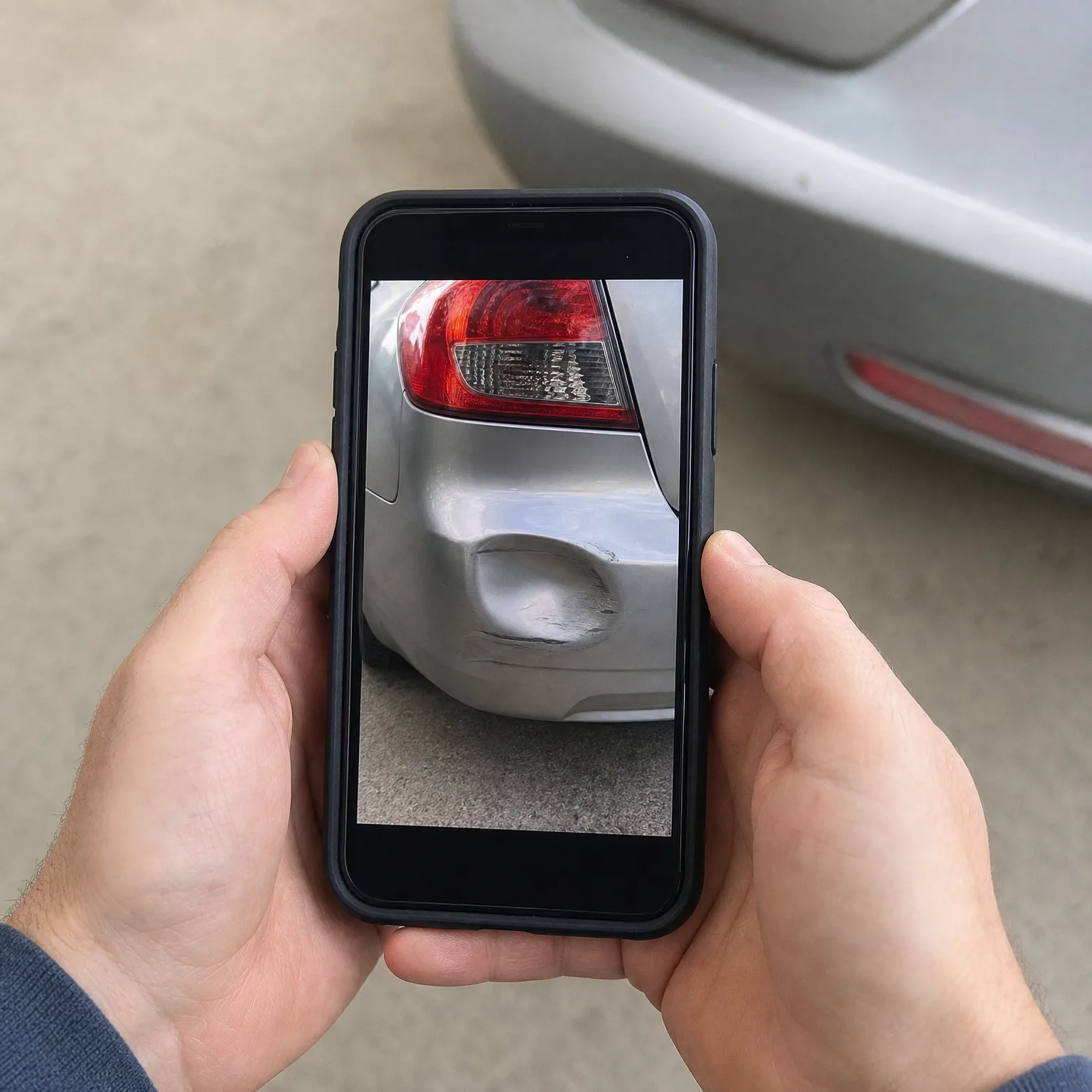
- Photograph damage before taping Insurers want to see the original damage, not just the patch. Take clear photos from a few angles before you cover the window.

Whether you tape it properly before driving anywhere
If you do
The cabin stays dry, loose glass stays out of your way, and the patch holds together at highway speed without flapping loose or tearing off. You can drive to a shop or a safer spot to wait for help without more glass ending up in your seats or on the road behind you.
If you don't
A thin or single-sided patch peels off within a few miles, letting in wind, rain, and anything the road throws up. Loose shards left in the seat or frame can cut you later, and an untaped opening can shift from a repair into a full window replacement sooner than it needed to.
Once your window is taped and documented, compare quotes to see how your policy handles the glass repair from here.

Will my insurance pay for a temporary window repair like tape?
It depends on your coverage and insurer, not on the tape itself. If you carry comprehensive coverage, glass damage from a break-in or vandalism is typically covered, and the temporary patch is just something you do to prevent further damage, not a separate claim. Keep your receipt for materials and the photos you took before taping. Check your policy or ask your insurer directly whether temporary repair costs are reimbursed, since this varies by company.
How long can I drive with a taped-up window before it needs real repair?
Treat it as a matter of days, not weeks, since tape and plastic are built to survive a drive, not daily use. Heat, rain, and repeated opening and closing of doors all wear at the seal faster than you'd expect. The real limit depends on weather where you live and how often you're driving, so check the patch each time before you leave and replace it the moment it starts lifting at an edge.
Can a broken window be fixed without replacing the whole glass?
Sometimes, if the damage is a small chip or crack rather than full shattering, but a window that's actually shattered almost always needs full replacement. Auto glass doesn't take a partial patch the way a windshield chip sometimes can, since side and rear windows are usually tempered glass that breaks into small pieces rather than cracking in place. A shop can tell you quickly by looking at it whether repair is even an option.

The patch isn't the fix. It's what buys you time to get the real repair done without more damage piling on.