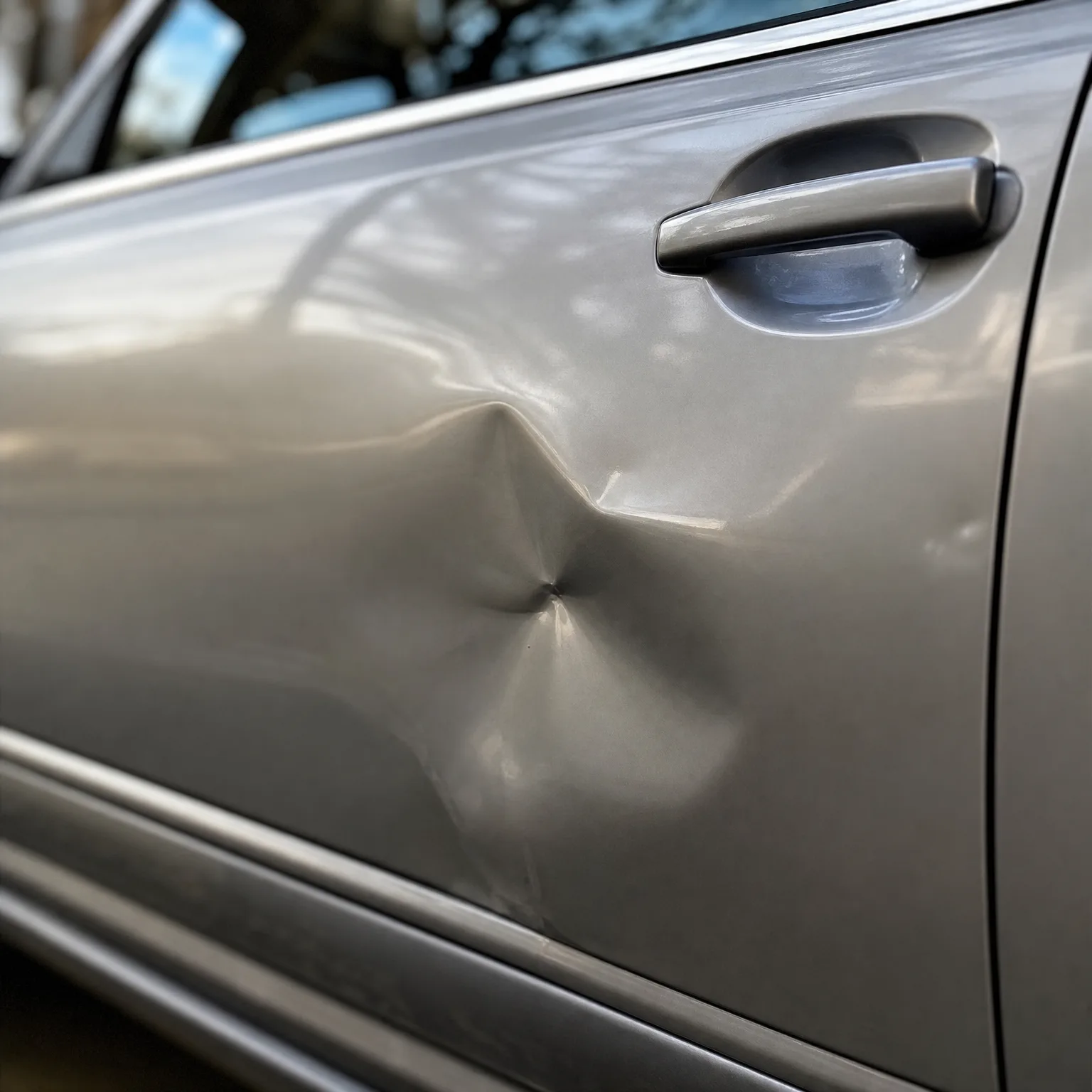
How to Report a Vandalized Car
Report it to the police first, then your insurer, and document everything before you touch or move the car.
The order you report things in protects your claim
Insurers want to see that damage was reported promptly and through the right channels, starting with police. A police report creates an independent record of what happened and when, which matters because vandalism claims can be disputed if there's any question about how the damage occurred. Filing late or skipping the report altogether can slow down your claim or give the insurer reason to ask more questions.
Vandalism is typically covered under comprehensive coverage, not liability or collision. If comprehensive isn't on your policy, this kind of damage usually isn't covered at all, so knowing what you carry matters before you assume anything will be paid. Check your policy or declarations page, or call your agent, to confirm what coverage you have.
The claims process works differently depending on the extent of the damage. Minor vandalism like scratches or broken windows usually gets repaired through a shop your insurer approves. Severe damage can trigger a total loss evaluation, where the insurer decides the cost to fix the car isn't worth it compared to the car's value. That decision affects what you're paid and whether a loan or lease balance gets covered.
What changes the outcome is mostly about documentation and timing. Photos taken before anything is cleaned up or repaired, a clear police report number, and a prompt call to your insurer all strengthen your position. Waiting, moving the car, or starting repairs before an adjuster sees it can create problems that are hard to undo later.
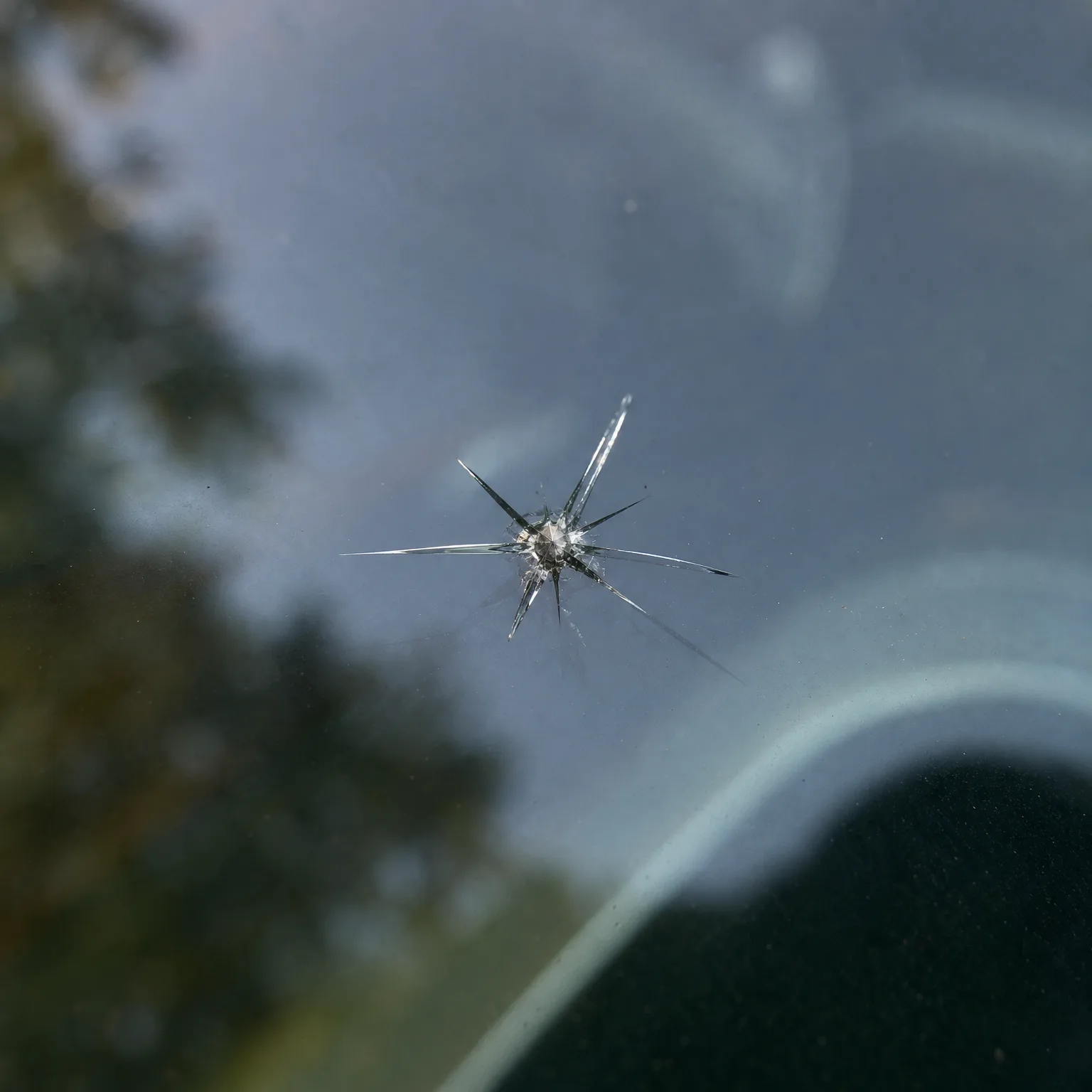
What to do, in order, after you find the damage
- Don't touch the car yet Moving or cleaning the car can erase evidence the police and your insurer need. Leave it as is until photos are taken and a report is filed.
- Call the police File a report even if the damage seems minor. This creates an official record and gives you a report number your insurer will ask for.
- Take thorough photos Photograph the damage from multiple angles, including close-ups and wider shots showing the car's location. Do this before anything is moved or repaired.
- Call your insurer promptly Report the claim as soon as you can, with your police report number ready. Ask whether comprehensive coverage applies to your policy.
- Ask about a rental or loaner Some policies include coverage for alternate transportation while your car is being repaired. Ask your insurer directly, since this isn't automatic.

Reporting it right away versus waiting
If you do
You call the police and your insurer the same day, with photos taken before anything is touched. Your claim moves faster because there's no gap for anyone to question what happened. Repairs or a loss decision typically follow a clear, predictable path from here.
If you don't
You wait a day or two, maybe hoping to handle it yourself first. The insurer may ask why there's a delay, and without a police report or early photos, they have less to work with. This can slow the claim down or raise doubts about the damage timeline.
Now that you know what comprehensive covers, compare quotes to make sure you're not underinsured again.
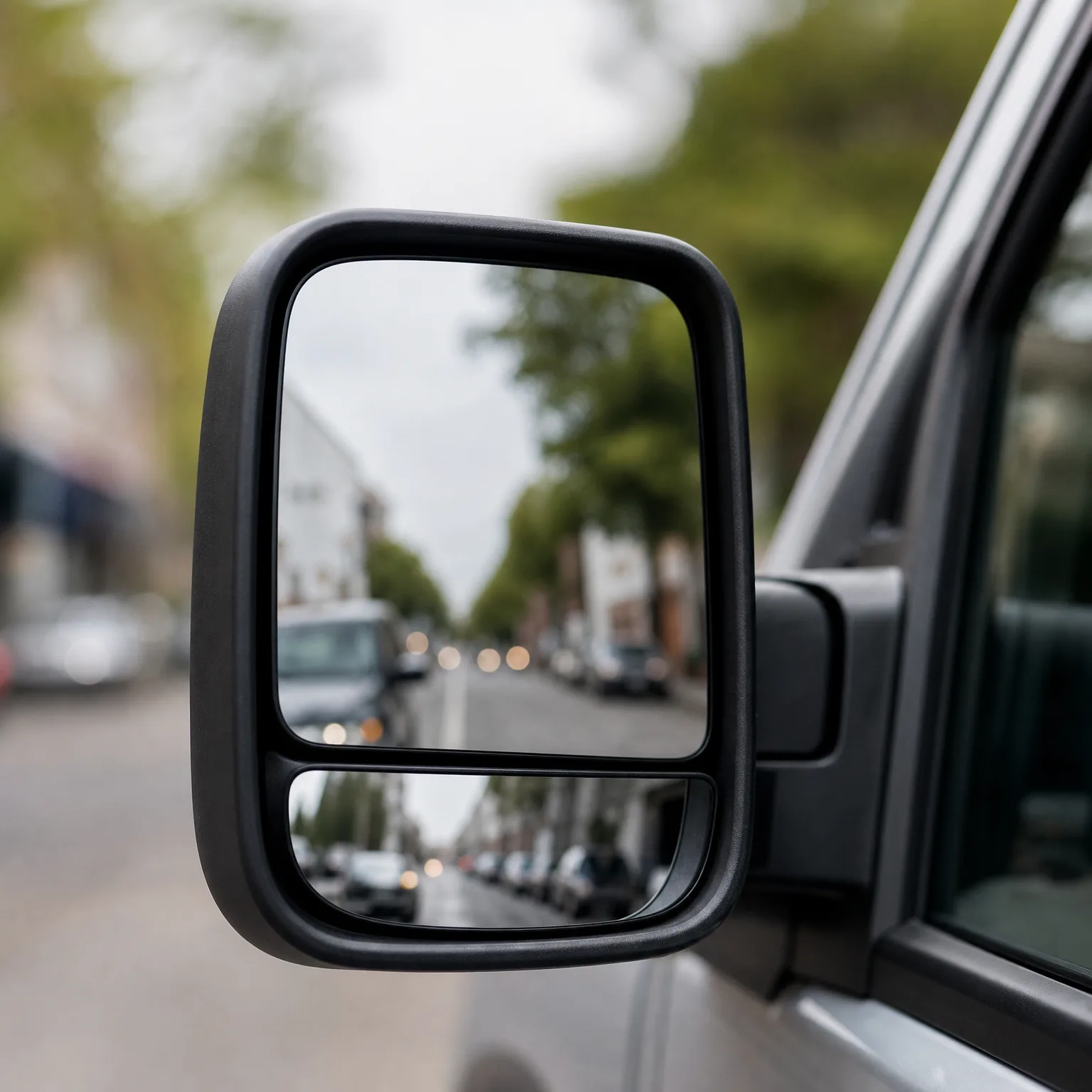
A side mirror and a scratched door, three weeks after buying the car
You park on the street overnight and come out to find a mirror knocked off and a long scratch down one door. There's no note, no witness, nothing to go on except the damage itself. You take photos right away, from several angles, before touching anything, then call the police to file a report.
The officer gives you a report number over the phone since there's no immediate danger. You call your insurer that same afternoon, confirm comprehensive coverage is on your policy, and give them the report number along with your photos. The insurer sends you to an approved shop, and because the damage is limited to the mirror and paint, it's treated as a repair rather than a total loss. You're back in the car within the time it takes the shop to order the mirror and finish the paintwork.
Will my rates go up after a vandalism claim?
This depends on your insurer and sometimes your state, since rules about surcharging for comprehensive claims vary. Many insurers treat vandalism as a no-fault, comprehensive claim because you had no way to prevent it, and some don't raise rates for a single claim like this. Others may still factor it in, especially if you've filed other claims recently.
The best way to know is to ask your insurer directly when you file, since they can tell you how this specific claim is likely to affect your policy. It's also worth checking your state's rules on comprehensive claims, since some states limit how insurers can use these claims to raise rates. If you're shopping for a new policy afterward, be upfront about the claim so any quote you get reflects your real situation.