How Does Insurance Handle Vandalism
Vandalism is covered by comprehensive coverage, not liability, so whether you're paid depends on whether you carry it.
What decides your payout and your next move
- Check for comprehensive Liability alone won't pay for vandalism. Look at your declarations page or call your agent to confirm comprehensive is actually on your policy.
- Your deductible applies Comprehensive claims still carry a deductible, so you pay that amount first. Know the number on your policy before you decide whether filing is worth it.
- Police report helps Insurers often want a police report to process a vandalism claim. File one as soon as you find the damage, even if you don't expect an arrest.
- Loan or lease payout rules If the car is financed or leased, the insurer typically pays the lender first and you get whatever is left. Ask your lender how they handle insurance checks.
- Repair or total loss call The insurer decides whether to repair the car or declare it a total loss based on the damage estimate. Get your own repair quote if you think their number is too low.
Will my rates go up after a vandalism claim?
Usually not as much as an at-fault accident, and in many cases not at all, but this varies by insurer and by state so you need to ask directly.
Vandalism is a comprehensive claim, and insurers generally treat these as not your fault since you didn't cause or contribute to what happened. Many companies price comprehensive claims separately from at-fault claims precisely because the driver had no control over it. Some states also limit how much a single claim can affect your rate, or require insurers to disclose this.
Still, filing any claim can affect your pricing at renewal, and a pattern of claims even if unrelated can draw more scrutiny. If your deductible is high relative to the damage, it's worth asking your agent directly what a vandalism claim would do to your specific policy before you file.
Now that you know what comprehensive covers here, compare quotes to see what that protection costs elsewhere.

Filing a claim versus paying out of pocket
If you do
You report it, pay your deductible, and the insurer covers the rest of the repair or replacement. The damage gets fixed faster and you're not carrying the full cost yourself. It may show up as a claim on your history, which some insurers weigh differently than at-fault accidents.
If you don't
You pay for repairs yourself and keep no claim on record. This makes sense if the damage is close to or below your deductible. But if the damage is serious, you're carrying a cost your policy exists to cover, and you lose the chance to get paid for it later.
Keyed paint and a smashed window overnight
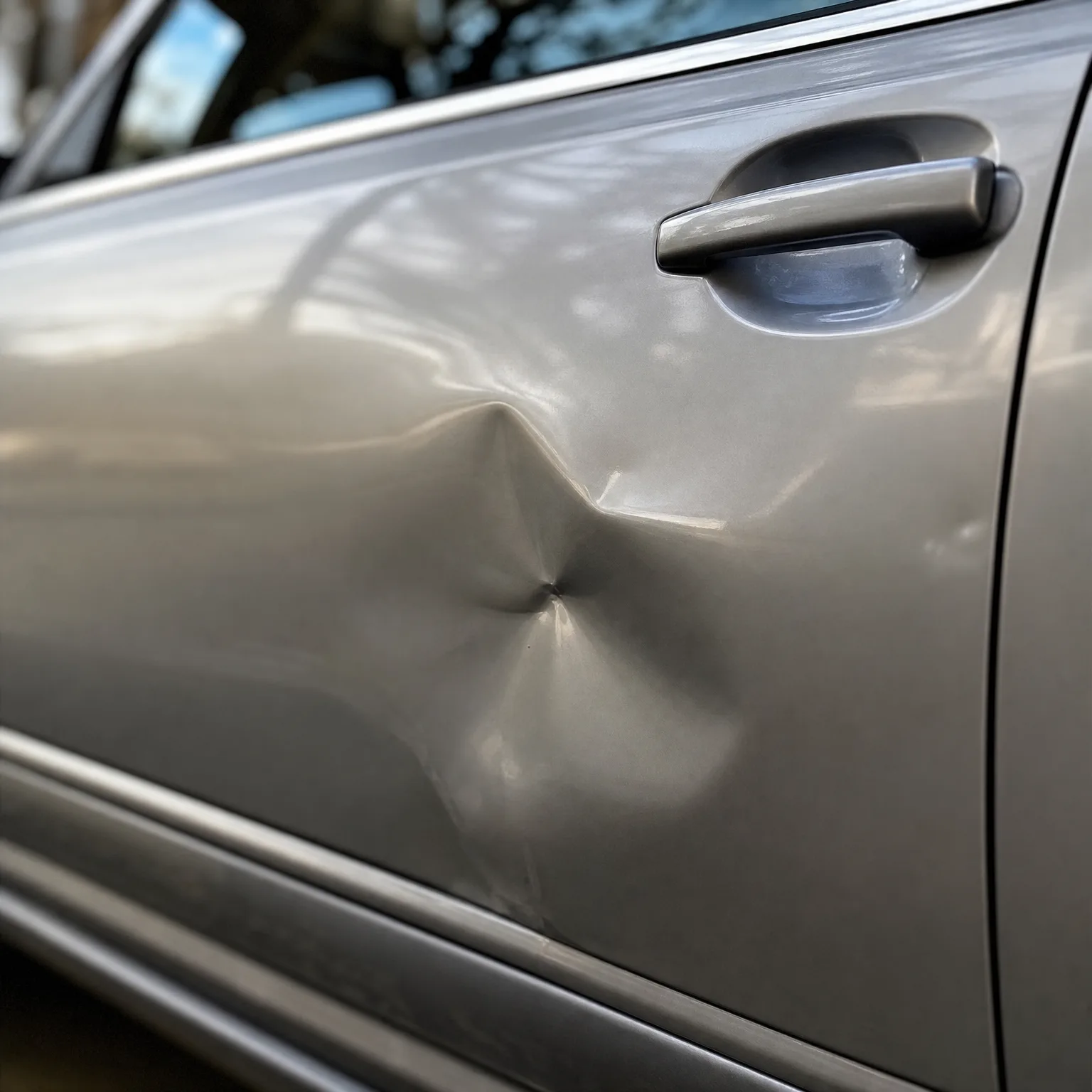
You come out one morning to find your car keyed along both doors and a window broken, nothing stolen, just damage. You take photos immediately, before touching anything, and call the police to file a report, since you have no idea who did it and the insurer will likely ask for that report. You then look up your policy and confirm you carry comprehensive, something you weren't sure about until that moment.
You call your insurer, describe the damage, and they ask for the photos and the police report number. An adjuster estimates the repair cost, which comes in above your deductible, so you move forward with the claim. The insurer sends you to get repair quotes, you pick a shop, and they pay the shop directly minus your deductible. The whole process takes a couple of weeks, and your rate doesn't change at the next renewal, because the insurer treats vandalism as outside your control.
Why vandalism falls under comprehensive and not liability
Liability coverage exists to pay for damage you cause to other people or their property. Vandalism is damage someone else caused to you, so liability was never built to handle it. Comprehensive coverage is the part of your policy built for events outside your control, things like theft, weather, animals, and vandalism, where you didn't do anything wrong but your car still got damaged.
This is also why comprehensive is optional on most policies, unlike liability, which is usually required by law. If you own your car outright, you can choose to drop comprehensive and take on that risk yourself. If the car is financed or leased, the lender usually requires you to carry it, since the car is collateral and they want it protected.
The deductible structure matters here too. Comprehensive deductibles are often lower than collision deductibles, since insurers see these events as less predictable and less within your control. That's worth checking on your own policy, since the two deductibles aren't always the same number.
Where this plays out differently is in cases of repeated or severe vandalism, or where the car is deemed a total loss. If repair costs approach or exceed the car's value, the insurer may total it instead of repairing it, and you'd be paid the car's value rather than getting it fixed. How that value is calculated, and whether anything is owed to a lender first, can vary by insurer and by state, so that's a conversation to have directly with your adjuster once you know which way your claim is headed.