What Happens if a Rental Car Is Reported Stolen
Report it fast, then your own coverage and the rental agreement together decide what you owe for the missing car.
The rental agreement and your coverage work side by side
A rental car is still someone else's property, so the rental company's agreement sets the baseline for what you're responsible for if it's stolen. That agreement usually makes you liable for the car's value unless you had coverage in place to offset it, whether that coverage came from your own auto policy, a credit card benefit, or a product you bought at the counter.
Your own auto insurer gets involved if your personal policy includes comprehensive coverage, since theft falls under that part of a policy, not collision. If you carry comprehensive, it typically extends to a rental car you're using in place of your own vehicle, but the rental company still wants its claim resolved, so your insurer and the rental company end up coordinating on who pays what.
Where this gets complicated is when there's overlap or a gap. A credit card benefit might cover the deductible your insurer applies, or it might be the only coverage you have if you declined everything and don't carry comprehensive yourself. The rental company doesn't care how many layers of coverage you have, it just wants to be made whole, so you may be the one coordinating between insurer and card issuer rather than them talking to each other directly.
State rules and individual rental contracts both shape the details, like how loss of use or administrative fees get charged while the car is missing. Read the rental agreement's theft clause and check with your insurer and card issuer before you assume any one of them has it fully covered.
Will I have to pay for the stolen rental car myself?
Possibly, but it depends entirely on what coverage you had in place when the car was taken. If you had comprehensive coverage on your own auto policy, a credit card rental benefit, or you purchased the rental company's own protection, one or more of those should absorb most or all of the car's value.
If you declined every option and don't carry comprehensive coverage personally, you could be personally responsible for the car's value, administrative fees, and lost rental income while it was missing. This is the scenario that catches people off guard, because many assume liability insurance alone is enough. Liability only covers damage you cause to others, not theft of the car you were driving, so check what you actually carry before you rent again.

Whether you report the theft right away
If you do
You file a police report immediately, notify the rental company, and start the claims process the same day. This protects you from being charged for a car you no longer control and gives insurers a paper trail they'll ask for. Most rental agreements require prompt reporting for any coverage to apply at all.
If you don't
Delaying the report can be treated as a violation of the rental agreement, even if the theft wasn't your fault. The rental company may hold you responsible for the car's value and ongoing charges until it's reported, and your insurer or credit card benefit may deny the claim if the gap looks suspicious or unexplained.
Once you know whether your coverage would protect you in this situation, compare quotes to make sure it actually does.

A weekend rental that didn't come back
Someone rented a car for a weekend trip and parked it outside their hotel overnight. In the morning it was gone. They called the police first, filed a report, then called the rental company's emergency line within the hour, which is what the rental agreement required to avoid being charged full replacement value on the spot.
They also called their own auto insurer, who confirmed their policy included comprehensive coverage that extended to rental cars used temporarily in place of their own. The insurer opened a claim, coordinated with the rental company on the vehicle's value, and a credit card benefit covered the deductible the insurer applied. The rental company billed a loss-of-use charge for the time the car was missing, which the credit card benefit also covered since it was documented in the claim. The person paid nothing out of pocket, but only because they had checked in advance what their card and policy actually covered, rather than assuming one or the other had it handled.

The rental agreement sets what you owe, but your own coverage decides who actually pays it.
Does my credit card cover a stolen rental car if I don't have comprehensive insurance?
It can, but only if you used that card to pay for the rental and the benefit specifically includes theft, not just collision damage. Card rental benefits vary widely, some only cover damage and exclude theft entirely, and many require you to decline the rental company's own coverage to activate the benefit. Call the number on the back of your card or check your benefits guide before you rely on it, since terms differ by card issuer and card tier.
Do I have to keep paying the rental company while they investigate the theft?
Usually the daily rental charges stop once the theft is reported, but a separate loss-of-use or administrative fee often continues until the claim is settled. This fee compensates the rental company for not being able to rent that car to someone else. Whether it's covered depends on your insurance or card benefit, so ask the rental company directly what charges continue and confirm with your insurer whether those charges are included in the claim.
What if the stolen rental car is found later with damage?
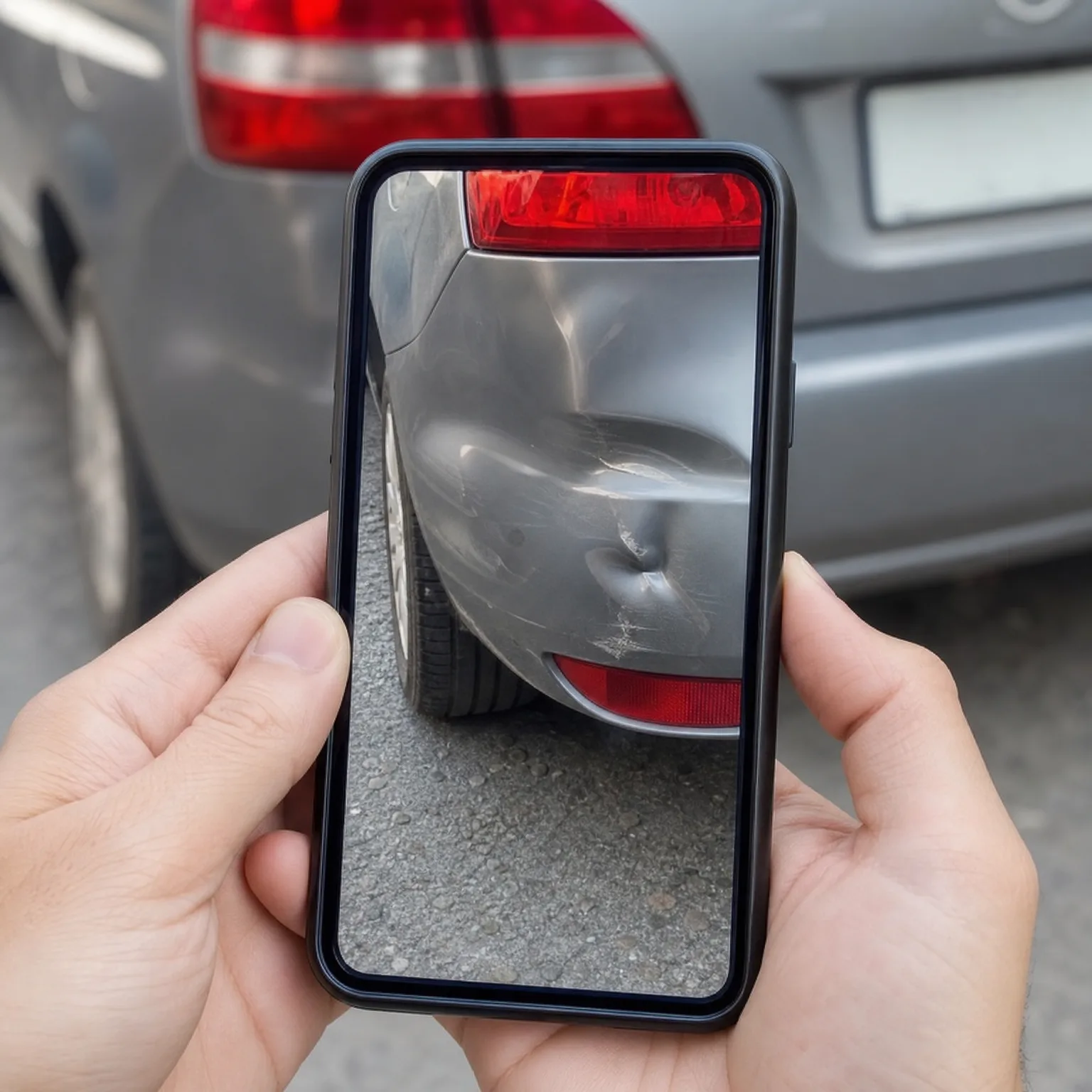
If the car turns up damaged, the claim shifts from a total theft loss to a damage claim, and your collision coverage or the rental company's damage waiver would typically apply instead of comprehensive. The rental company usually handles the car's assessment and bills for repairs through whichever coverage you had in place. Ask the rental company to update you the moment the car is recovered, since the claim type and paperwork change once that happens.