What Is a Relay Attack on a Car
A relay attack is when thieves capture your key fob's signal and relay it to your car, tricking it into unlocking and starting.
A fob left by the front door, a car gone by morning
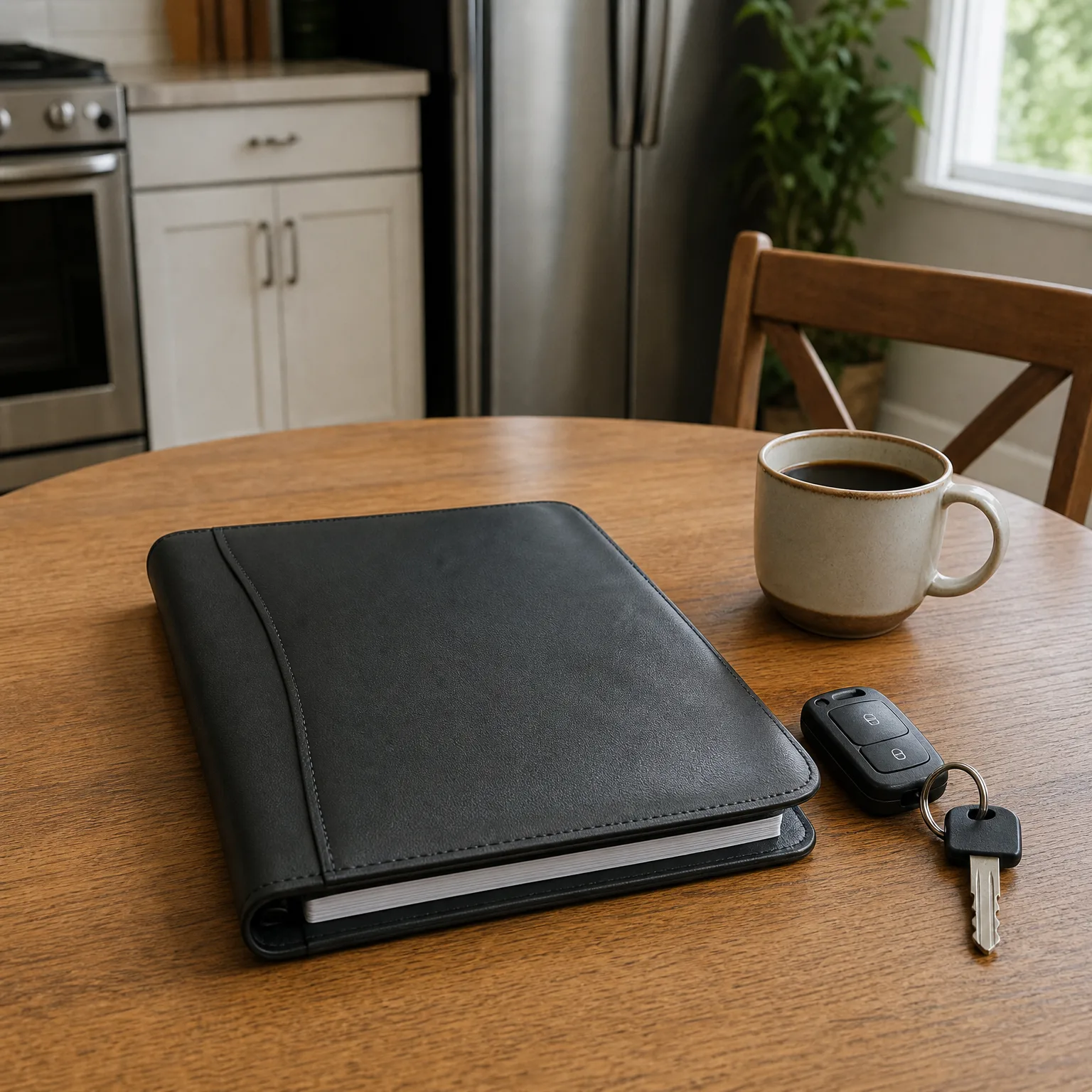
A driver parked their car in the driveway overnight, same as always, with the key fob sitting on a table near the front door. In the morning the car was gone, with no broken glass, no alarm, and no sign of forced entry anywhere on the property. They assumed at first that someone had a spare key, until the responding officer explained that thieves likely used a relay device to pick up the fob's signal through the door and walls, then carried that signal to the car parked outside.
The driver filed a police report and called their insurer to start a theft claim. Because they carried comprehensive coverage, the claim moved forward even though there was no visible damage to prove how the thief got in. The insurer asked for the police report, proof of ownership, and details about where the fob was kept, standard questions for this kind of theft. The car was never recovered, and after the insurer's investigation confirmed no forced entry was expected in a relay theft, they paid out the vehicle's value. The driver used that payout toward a replacement, and started keeping their fob in a signal-blocking pouch at night.
Will my insurance claim get denied because there was no sign of forced entry?
No, not for this reason alone. Comprehensive coverage is built to pay for theft, and insurers understand that relay attacks don't leave broken locks or shattered windows. What matters to the claim is proving the car was actually stolen, not proving exactly how the thief got in.
You'll still need to file a police report and answer the insurer's questions honestly, including where you kept your fob and whether you have any history with the car. Denials happen when there's reason to doubt the theft itself, like inconsistent statements or missing documentation, not simply because the method was keyless. If your policy includes comprehensive, a relay theft is exactly the kind of loss it exists for.

Once you know your coverage against keyless theft, compare quotes to confirm your policy actually includes it.
Checking your comprehensive coverage before something happens
If you do
You find out now whether theft is covered, what your deductible would be, and whether your insurer requires any anti-theft steps. If a relay attack happens, you already know what to do and what to expect, which means less scrambling and no surprises during an already stressful moment.
If you don't
You're left guessing after the fact whether theft coverage is even part of your policy. If it turns out you don't carry comprehensive, you discover this only after your car is gone, with no payout coming and no way to add the coverage retroactively.

What actually determines whether you're covered and made whole
- Comprehensive coverage This is the part of your policy that pays for theft, not liability or collision. Check your declarations page now, before anything happens, to confirm you carry it.
- No forced entry needed Insurers know relay attacks leave no broken glass or damaged locks. A missing car and a police report are usually enough to support the claim.
- Loan or lease payoff If you still owe money on the car, ask whether your policy or a separate gap coverage pays the difference between what you owe and what the car is worth.
- Rental car while you wait Check whether your policy includes rental reimbursement, since theft claims can take time to resolve and you'll likely need transportation in the meantime.
- Reducing future risk Signal-blocking pouches and storing fobs away from doors and windows reduce relay theft risk. Ask your insurer if they offer any discount for these precautions.
How long does a stolen car insurance claim take to settle?
It varies by insurer and by case, but expect an investigation period before any payout, especially if the car isn't recovered right away. The insurer typically waits to see if the car turns up, then moves to valuing it as a total loss if it doesn't. Check with your insurer directly for their typical timeline, and ask what documents speed things along, like the police report, loan information, and proof of ownership. A car recovered quickly with damage moves through a different process than one that's never found, so the path depends heavily on what happens in the days right after the theft.
What happens if my car is recovered but damaged after a relay theft?
Your claim shifts from a total theft loss to a damage claim, which usually moves faster. The insurer will send the car for an estimate and decide whether to repair it or declare it a total loss if repair costs are too close to the car's value. You'll still want the police report on file, since it documents the theft even though the car came back. Check with your insurer about how a rental car is handled during repairs, since that benefit depends on your specific coverage and may require you to request it rather than it being automatic.
Can thieves use a relay attack if my key fob has no buttons pressed?
Yes, that's exactly how relay attacks work. The fob doesn't need to be used or even touched, since it constantly emits a low-range signal that identifies it to the car. Thieves use a device to capture that signal through walls or doors and relay it to a second device near the car, tricking it into unlocking and starting as if the real key were present. This is why storing your fob far from entry points, or in a signal-blocking pouch, is one of the few preventive steps that actually works against this kind of theft.