Rental Cars After a Theft
A rental car after theft is covered only if you added rental reimbursement coverage before the car was stolen.
Rental coverage has to be in place before the theft, not after
Rental reimbursement is its own separate coverage, and it isn't automatically bundled with comprehensive coverage, which is the part of your policy that actually pays for a stolen car. You can have one without the other. If you never added rental coverage, there's no way to add it retroactively once the car is gone, because insurance doesn't work backward from the loss.
When rental coverage is in place, it typically starts once your insurer confirms the car was stolen and opens a theft claim. Most policies pay toward a rental for a set stretch of time or up to a set amount, whichever runs out first, and the clock usually starts right away rather than waiting for the car to be found or declared a total loss.
The waiting period for stolen cars is where this gets tricky. Insurers typically give the car a chance to turn up before they settle the claim as a theft loss, and that search period varies by insurer and sometimes by state. Your rental coverage may keep paying during that whole stretch, but check your policy or ask your insurer directly, because some policies cap the rental benefit well before the car search ends.
If you don't have rental coverage, you're on your own for transportation until the claim settles. Some people use a credit card's rental benefit, borrow a car, or just absorb the cost. It's worth knowing now, before you're standing in a parking lot with no car, which situation you're actually in.
What decides whether a rental is covered
- Rental reimbursement coverage This is a separate line item on your policy, not part of comprehensive. Check your declarations page or call your insurer to see if it's there.
- Comprehensive coverage This is what actually pays for the stolen car itself. Without it, there's no theft claim at all, and rental coverage won't apply either.
- Daily and total limits Rental coverage usually caps both how much it pays per day and overall. Ask your insurer what those limits are so you know what to expect out of pocket.
- When the clock starts Coverage typically begins once a theft claim is opened, not once the car is declared a total loss. Confirm this timing with your insurer right away.
- State and insurer differences How long insurers wait before declaring a car a total loss varies. Ask your insurer directly what their process looks like in your state.
Once you know whether rental coverage is part of your policy, compare quotes that include it if it isn't.
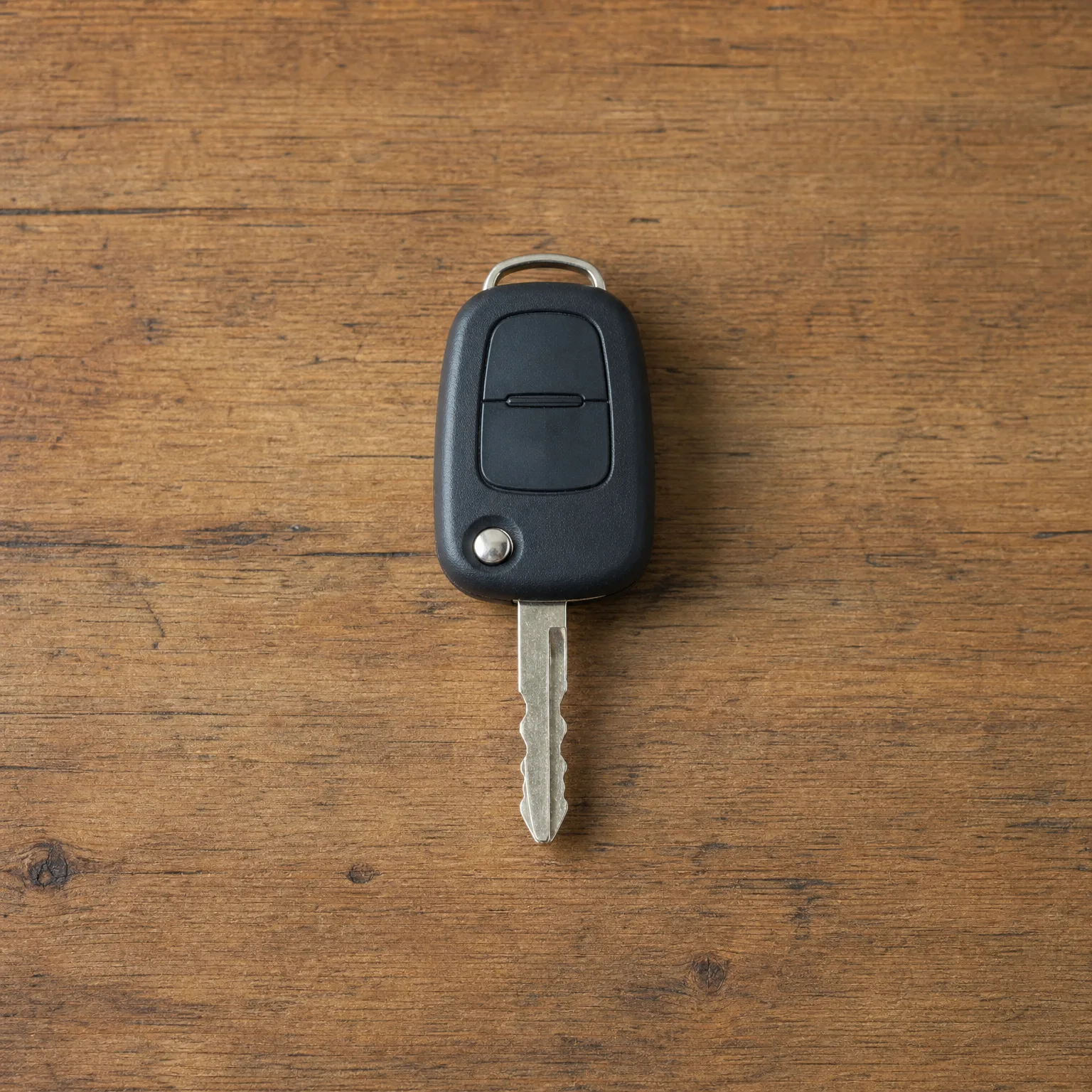
A stolen car with rental coverage already in place
A driver left work to find their car gone from the lot. They called the police to file a report, then called their insurer the same day to open a theft claim. The insurer asked whether they carried comprehensive coverage, confirmed they did, and also confirmed they had rental reimbursement coverage on the policy.
The insurer authorized a rental within a day of the claim being opened, while the police investigation and the insurer's own search for the car continued in the background. The driver used the rental for a few weeks before the car was found abandoned and damaged beyond reasonable repair. At that point, the insurer settled the theft claim as a total loss, paid out the car's value minus the deductible, and the rental coverage ended once the settlement closed. Because the driver had both coverages in place beforehand, the only real cost was the deductible and whatever the rental coverage didn't fully reimburse.
Rental coverage only works if it's on your policy before the theft happens, not after.
Does rental coverage still pay if my car is found damaged, not totaled?
Yes, usually. Rental reimbursement typically covers the time your car is being repaired too, not just while it's missing. Check your policy's daily and total limits, since a lengthy repair could run past what the coverage pays for. If your insurer declares the car a total loss instead of repairing it, rental coverage usually ends once the claim settles, so the outcome depends on which path your claim takes.
Will my insurance rates go up after a car theft claim?
It depends on your insurer and state rules around theft claims specifically. Some insurers treat theft as a no-fault, comprehensive claim that doesn't affect rates the same way an at-fault accident would. Others may still factor it in. Ask your insurer directly how they handle comprehensive claims before you file, so you know what to expect.
What if I don't have rental reimbursement coverage at all?
You'll need to cover transportation costs yourself until your claim settles. Some credit cards offer rental car benefits you can use in the meantime, and some people borrow a vehicle from family or friends. Once this happens, it's worth adding rental reimbursement coverage going forward, since it's inexpensive compared to the cost of arranging transportation entirely on your own.