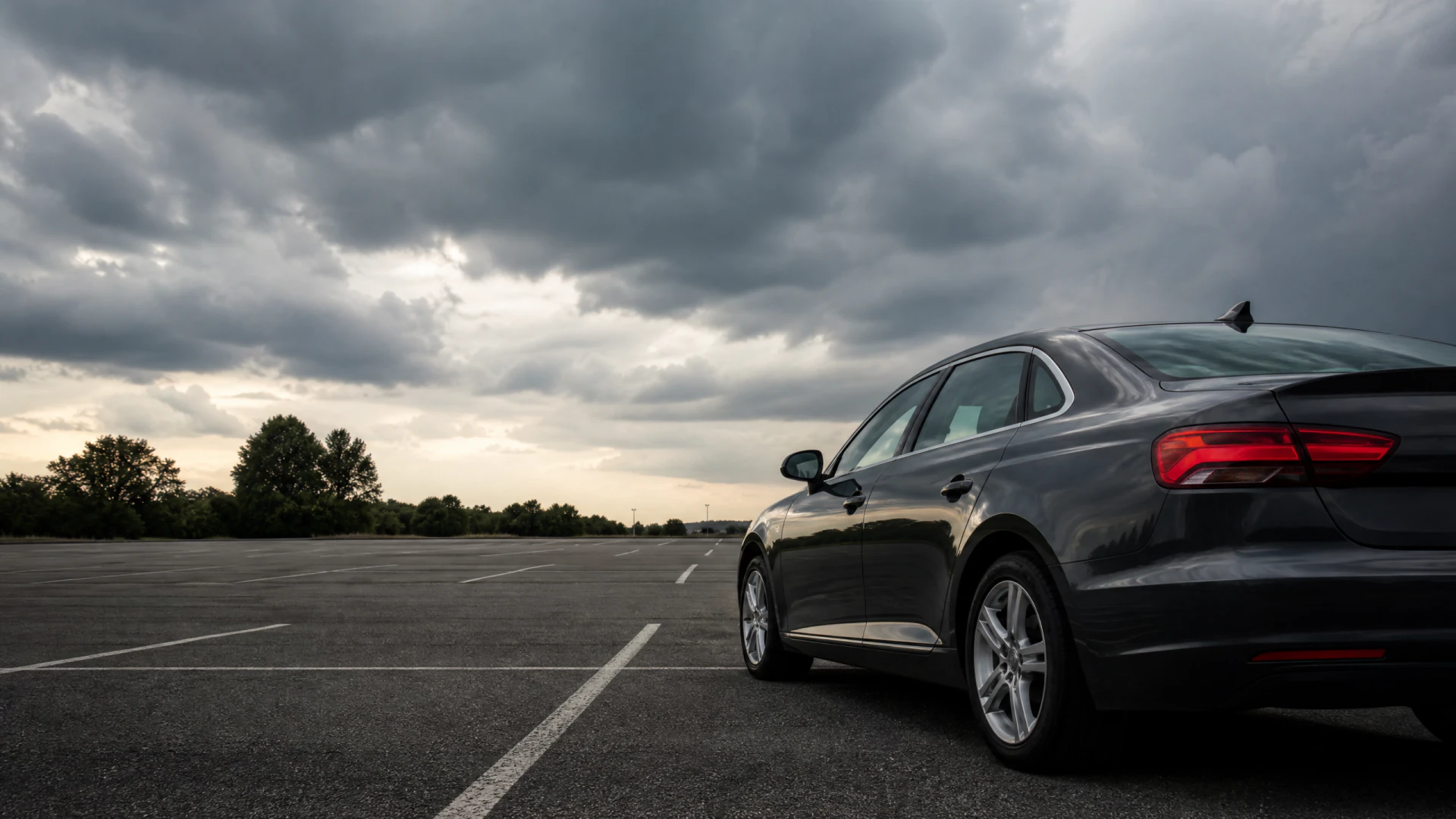
What Documents Are Needed for a Car Theft Claim
You need the police report, proof you own or finance the car, and anything that shows what was inside it when it disappeared.
Every document proves you owned the car and it was actually stolen
An insurer paying a theft claim has to answer two questions before it pays a cent. Did this person actually own or have the right to insure this car, and did it actually get stolen rather than sold, hidden, or given away. Every document you gather answers one of those two questions.
The police report exists because insurers won't take your word that a crime happened. A report creates an independent record, filed with a government agency, that says a theft was reported at a specific time and place. Without it, the insurer has nothing to check your claim against, and most policies require one before they'll even open a file.
Ownership documents matter because theft claims pay out real money, and insurers have seen every version of fraud you can imagine. A title, registration, or loan statement with your name on it closes that question fast. If someone else's name is on the title, bring whatever shows your legal interest in the car, like a lease agreement or a notarized bill of sale.
What varies is how far an insurer digs beyond those basics. Some ask for maintenance records or photos to confirm the car's condition before it vanished. Some want proof of the keys you had, since a theft with no forced entry draws more scrutiny. Call your insurer early and ask what their claims department specifically wants, because the list differs by company and sometimes by state.
These five documents move a theft claim forward
- Police report This is usually required before an insurer opens a theft claim. File it the same day, even before you call your insurer, and get the report number.
- Proof of ownership A title, registration, or loan and lease paperwork shows you had the right to insure the car. Gather whichever one has your name or your lender's name on it.
- Proof you carry comprehensive Theft is covered under comprehensive, not liability alone. Check your declarations page now, since this determines whether you have a claim at all.
- Keys and key history Insurers often ask how many keys exist and whether any are missing. Locate every key you have and note if one was lost or given to anyone recently.
- Loan or lease payoff statement If you're financing the car, your lender has a financial interest in the payout. Request a current payoff statement so the claim can address what's owed.

Once you know what a theft claim needs, compare quotes to find coverage that fits your situation.

Gathering these documents before you call changes how fast you're paid
If you do
You call your insurer with the police report number, your ownership papers, and your loan balance ready. The adjuster opens the claim immediately and tells you what's left. Many insurers can authorize a rental or loaner within days. The valuation and payout process starts right away instead of waiting on paperwork you haven't located yet.
If you don't
You report the theft but can't answer basic questions about ownership or coverage. The adjuster opens a file but marks it incomplete and requests documents before moving further. Each missing item adds days or weeks, while you pay for a rental yourself and your lender starts asking questions.
A financed car stolen from a driveway overnight
A driver woke up to find the car she'd financed eighteen months earlier gone from her driveway. She filed a police report within the hour and got a report number before calling her insurer. When the insurer asked for proof of comprehensive coverage, she pulled up her declarations page on her phone and confirmed it was there. She also had her loan statement saved digitally, which showed exactly what she still owed.
The insurer asked how many keys existed, since there was no sign of forced entry. She remembered giving a spare key to a family member years earlier and said so honestly. The adjuster followed up with that detail but didn't treat it as suspicious once she explained it plainly. Because she had the report number, loan statement, and coverage proof ready at the first call, the claim moved into the valuation stage within days. The car was never recovered, and the payout went first to her lender to close out the loan, with the remainder paid to her.
What if my car is recovered after I already filed the claim?
Tell your insurer immediately, because the claim process changes once the car is found. If it's undamaged, the claim may close with no payout beyond what you've already spent, like a rental. If it's damaged, the claim shifts from a total theft loss to a damage claim, and the insurer will inspect it and estimate repairs. Either way, don't accept the car back from police or a tow yard without telling your insurer first, since that affects how the claim is handled.
How long does a stolen car insurance claim usually take?
It depends mostly on whether the car is recovered and how complete your paperwork is when you file. Many insurers wait a period before declaring a car a total loss, since recovery sometimes happens in the days after a theft. Once that waiting period passes and your documents are in order, valuation and payment typically move faster. Delays usually come from missing ownership papers, unclear coverage, or a lender dispute over the payoff amount, not from the insurer dragging its feet.
Will my loan be paid off if my financed car is stolen and not found?
Yes, your lender is paid first out of the claim, and you get whatever is left over. If the car was worth less than what you owed, you could still owe the difference unless you had separate gap coverage. Check your loan agreement and ask your insurer directly whether gap coverage applies to your policy, since this isn't automatic and varies by lender and by state.