Reporting a Stolen Car to Your Insurer
Call the police first, then call your insurer with the report number, and let comprehensive coverage take it from there.
A car taken from a driveway overnight
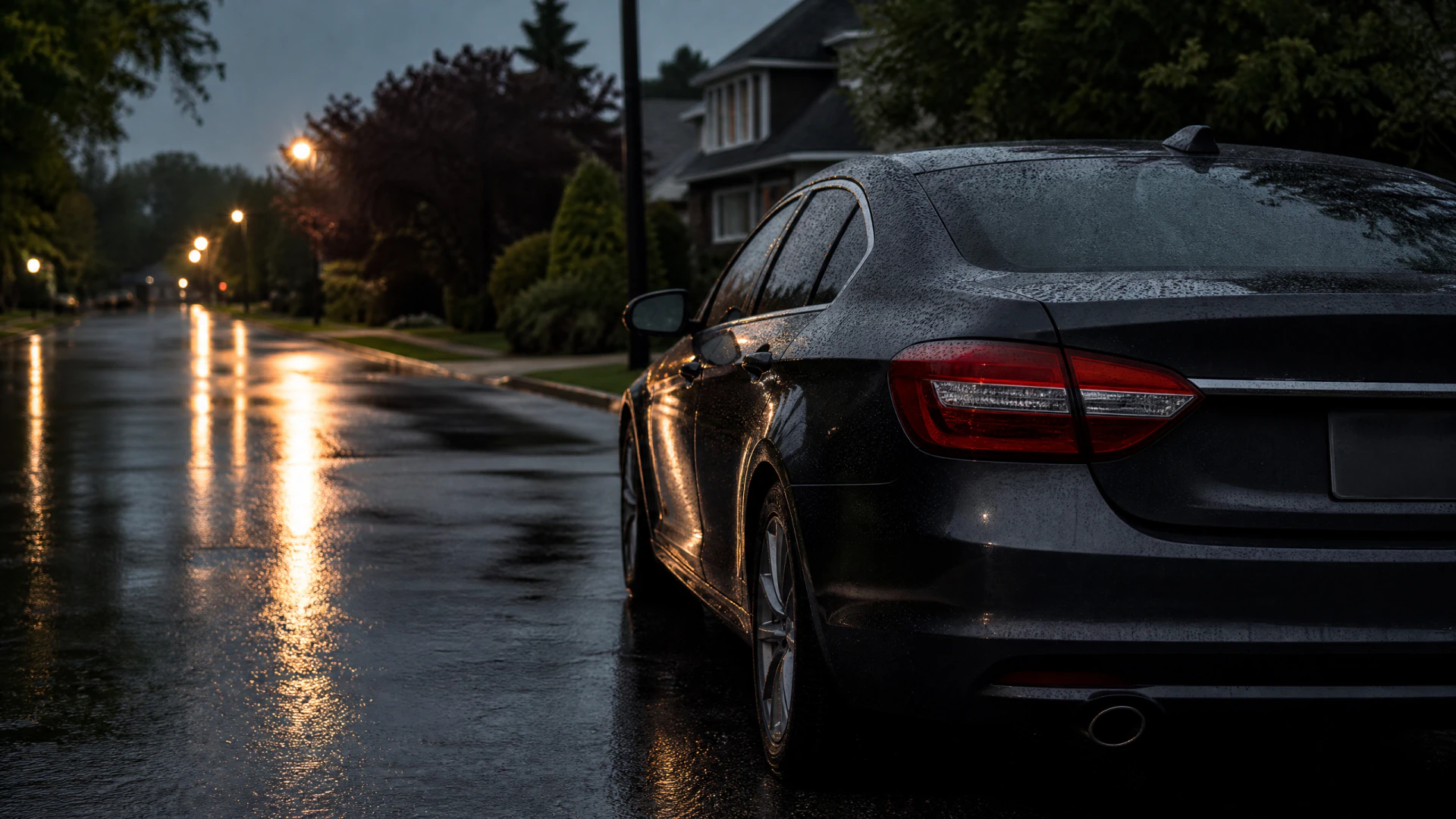
A reader came out one morning and the car was gone from the driveway where it had been parked the night before. No broken glass, no warning, just an empty space. They called the police right away and got a report filed, then called their insurance company the same morning once they had a case number in hand. The agent asked for the report number, the car's details, and whether anyone else had access to the keys.
The insurer opened a claim and explained that comprehensive coverage was what applied here, since theft falls under that part of the policy. They gave the reader a rental car allowance while the claim was open and said they'd wait a set period to see if police recovered the vehicle before declaring it a total loss. Three weeks later the car still hadn't turned up, so the insurer paid out based on its value and the loan balance was settled directly with the lender. It wasn't instant, but having the police report and the claim started on day one kept things moving without extra delay.
What if I don't have comprehensive coverage?
If comprehensive isn't on your policy, theft generally isn't covered, and you'll likely be on your own for replacing the car. Liability coverage, which is required almost everywhere, only pays for damage you cause to others. It doesn't cover your own car being stolen or damaged in ways that aren't a collision with another vehicle.
Check your declarations page or call your insurer to see what coverages you actually carry, since people sometimes assume they have comprehensive when they don't, especially if they dropped it after paying off a loan. If you don't have it and the car is gone, you may still want to file the police report for your own records and to protect against liability if the car is used in a crime while missing. But the financial loss of the vehicle itself would fall to you.
The clock on your claim starts with the police report, not the phone call to your insurer.
Now that you know what coverage this needs, compare quotes to make sure you have it before anything happens.

Filing the police report before you call your insurer
If you do
You get a report number right away, which your insurer needs to open the claim. The timeline for a rental car and a total loss decision starts immediately. Recovery efforts begin faster too, since police are already looking before your insurer even asks questions.
If you don't
Your insurer may ask you to get a report before they'll open the file, which delays everything. Without a report number, rental coverage and loss payouts can stall for days. You also lose the window where recovery is most likely, since early searching matters most.
Why the police report and comprehensive coverage decide everything
Insurance treats a stolen car as a type of loss that falls under comprehensive coverage, not collision coverage, because no accident happened. That distinction matters because many drivers carry collision but drop comprehensive to save money, not realizing it also covers theft, vandalism, and damage from things like fire or falling objects. If comprehensive isn't on your policy, theft isn't covered no matter how clearly it happened.
The police report exists because insurers need an official record before they'll pay out on a claim this large. It protects against fraud, but it also protects you, since it creates a timestamp and a paper trail that your insurer relies on to open the claim and start a rental allowance if your policy includes one.
Insurers typically wait a period before declaring a car a total loss, giving police time to recover it. If the car turns up with damage, the claim often shifts to repair costs instead of a full payout. If it never turns up, the payout is based on the car's value at the time of theft, not what you paid for it or what you still owe.
If there's a loan or lease, the insurer typically pays the lender directly first, and you get whatever is left over, if anything. This is where gap coverage matters, since a car's value can be lower than the loan balance, especially on newer vehicles. Check your policy and loan terms together, since this gap is common and varies a lot by situation.
How long does it take for an insurer to declare a stolen car a total loss?
It varies by insurer and sometimes by state, but most wait a set period to give police a chance at recovery before paying out. During that time you may have a rental car if your policy includes that benefit. Check with your insurer directly for their specific timeline, since it isn't the same everywhere and can depend on local police resources too.
Will my insurance payout cover what I still owe on my car loan?
Not necessarily, since the payout is based on the car's value, not your loan balance, and those two numbers often don't match. If you owe more than the car was worth, you could be left paying the difference out of pocket unless you have gap coverage. Check your loan agreement and your policy to see if gap coverage is included or available to add.
What happens if my stolen car is recovered but damaged?
If your car is found before a total loss is declared, your claim usually shifts from a theft payout to a repair claim under the same comprehensive coverage. You'll typically still have a deductible to pay, and the insurer will assess whether repair costs make sense compared to the car's value. If damage is severe enough, the insurer may still total the car even after recovery.