Is Theft Covered Under Full Coverage
If your policy includes comprehensive coverage, theft is covered, and that's the piece that decides everything else here.
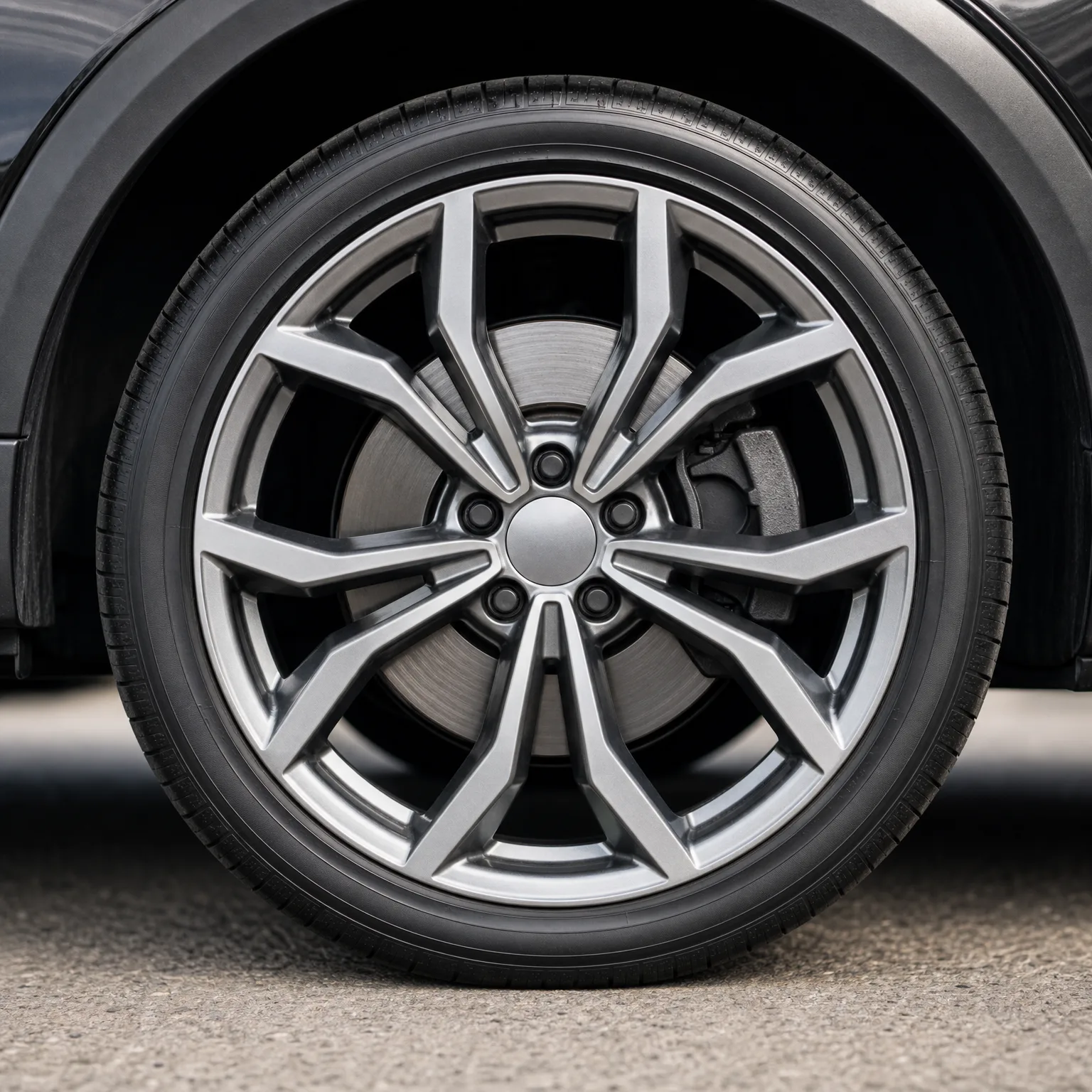
A car stolen from a driveway overnight
A driver woke up to an empty driveway where their car had been parked the night before. They filed a police report first, then called their insurer the same morning to open a claim. Their policy included comprehensive coverage, so the claim moved forward, but they still had to wait while the insurer gave the car time to turn up before treating it as a loss.
During that wait, their policy's rental reimbursement piece paid for a replacement car, which kept them moving while the claim played out. The car was never recovered, so the insurer declared it a total loss and paid out based on its value right before the theft. Because there was still a loan on the car, the payout went first to the lender, and the driver only saw money after that balance was settled.
What if I don't know whether I have comprehensive coverage?
Check your policy declarations page, the one or two page summary that lists every coverage you carry. Look for a line labeled comprehensive, separate from collision. If it's not there, you don't have it, and theft isn't covered no matter how complete your policy otherwise seems.
If you can't find the document, call your insurer or agent and ask directly whether comprehensive is on your policy. Don't assume based on price or on having liability and collision already, since comprehensive is its own separate add on that has to be chosen specifically. This is also worth checking before anything happens, not just after, since by the time you're asking you may already know the answer you don't want.

Whether you carry comprehensive coverage
If you do
Your insurer treats the theft as a covered claim. You'll file a police report, open a claim, and likely get a rental car while they investigate. If the car isn't recovered within the insurer's waiting period, they'll pay out its value, minus your deductible, with any loan or lease balance settled first.
If you don't
You're on your own financially. No police report or claim changes that comprehensive simply isn't part of your policy. You'd still owe any remaining loan or lease balance in full, with no payout to offset it, and no help getting a replacement car while you sort things out.
Now that you know what theft coverage requires, compare quotes to see what comprehensive would cost on your policy.
What to check before you assume you're covered
- Comprehensive on your policy This is the specific coverage that pays for theft, separate from liability or collision. Check your declarations page or call your insurer to confirm it's actually listed.
- Your deductible amount Whatever payout you get will have this subtracted first. Find the number on your policy now, not after a claim, so you know what to expect.
- Loan or lease payoff rules If you still owe money on the car, that balance gets paid before you see anything. Ask your lender or leasing company how payoff is handled in a total loss.
- Rental reimbursement add on This is usually separate from comprehensive, not automatic. Confirm whether you have it, since it determines whether you get a replacement car during the claim.
- State waiting period rules How long an insurer waits before declaring a car a total loss can vary by state and by insurer. Ask your insurer directly what their timeline looks like.

How long does it take to get paid after a car is stolen?
It depends on your insurer's waiting period and how long the investigation takes, so there's no fixed timeline that applies everywhere. Insurers typically give some time for the car to be recovered before declaring it a total loss, and that window varies by insurer and sometimes by state. Ask your insurer directly what their process looks like, including how they handle rental coverage while you wait. The answer changes depending on how quickly the car turns up, if it does.
Does filing a theft claim raise my rates?
It can, since insurers may factor in claims history even when the theft wasn't your fault. Whether it does depends on your insurer, your overall claims history, and sometimes your state's rules on rate increases after comprehensive claims. Ask your insurer directly how a theft claim would affect your renewal before you decide how to handle it. If this is your first claim in a long time, the impact may be smaller or nonexistent.
What happens if police recover my car after I've been paid?
In most cases, ownership transfers to the insurer once they pay out a total loss claim, so the recovered car legally becomes theirs, not yours. Some insurers will let you buy it back or keep it in exchange for returning the payout, but this isn't guaranteed everywhere. Ask your insurer what their policy is on recovered vehicles before you assume you'll get the car back.