Comprehensive vs Collision for Theft
Theft is covered by comprehensive, not collision, so your payout depends entirely on whether comprehensive is on your policy.
Collision pays for crashes, comprehensive pays for everything else
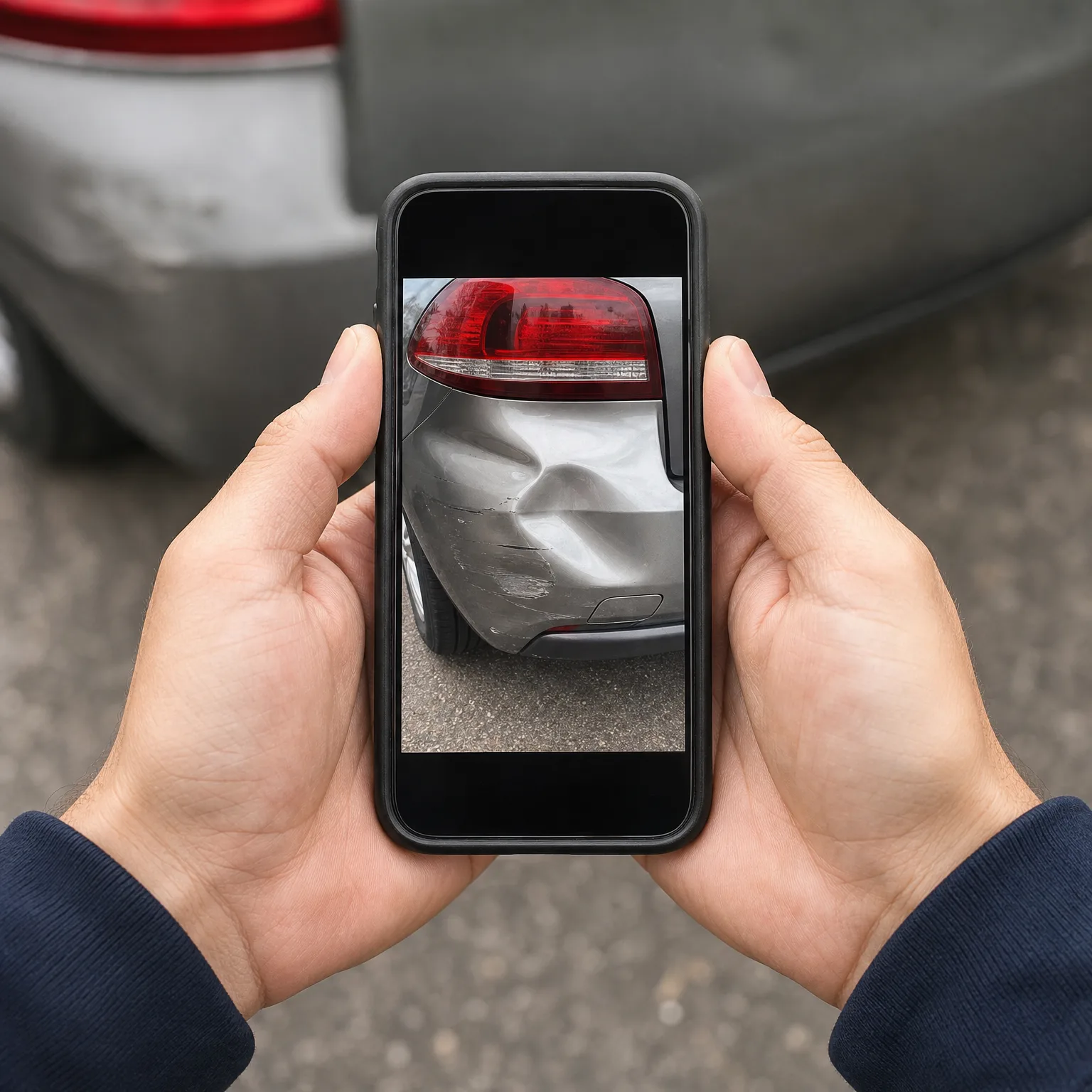
Insurance splits damage into two buckets. Collision covers your car hitting something or something hitting your car. Comprehensive covers the things that happen to a parked, stationary, or stolen car, including theft, vandalism, fire, and falling objects. Theft falls on the comprehensive side because nobody collided with anything, your car simply disappeared.
This split exists because insurers price risk differently for each. Collision risk is about how you drive. Comprehensive risk is about where you park, what neighborhood you live in, and how common theft is in your area. That's why the two coverages are sold and priced separately, and why a policy can carry one without the other.
If you only carry collision, a theft claim gets denied outright. The loss isn't collision damage, so that coverage never applies no matter how the car disappeared. People sometimes assume having any insurance means theft is covered, and that assumption is the single most expensive mistake in this situation.
There are edge cases. If your car was stolen and then crashed by the thief before recovery, both coverages can come into play depending on how your insurer classifies the claim. And if you financed or leased the car, your lender likely required comprehensive as a condition of the loan, so check your paperwork before assuming you don't have it.
The short version
Theft is a comprehensive claim, not a collision claim. Check your policy declarations page for the word comprehensive; if it's not listed, there's no coverage for the theft. If it is, call your insurer now to start the claim and ask about rental coverage while they investigate.
A stolen car, a declarations page, and a waiting rental
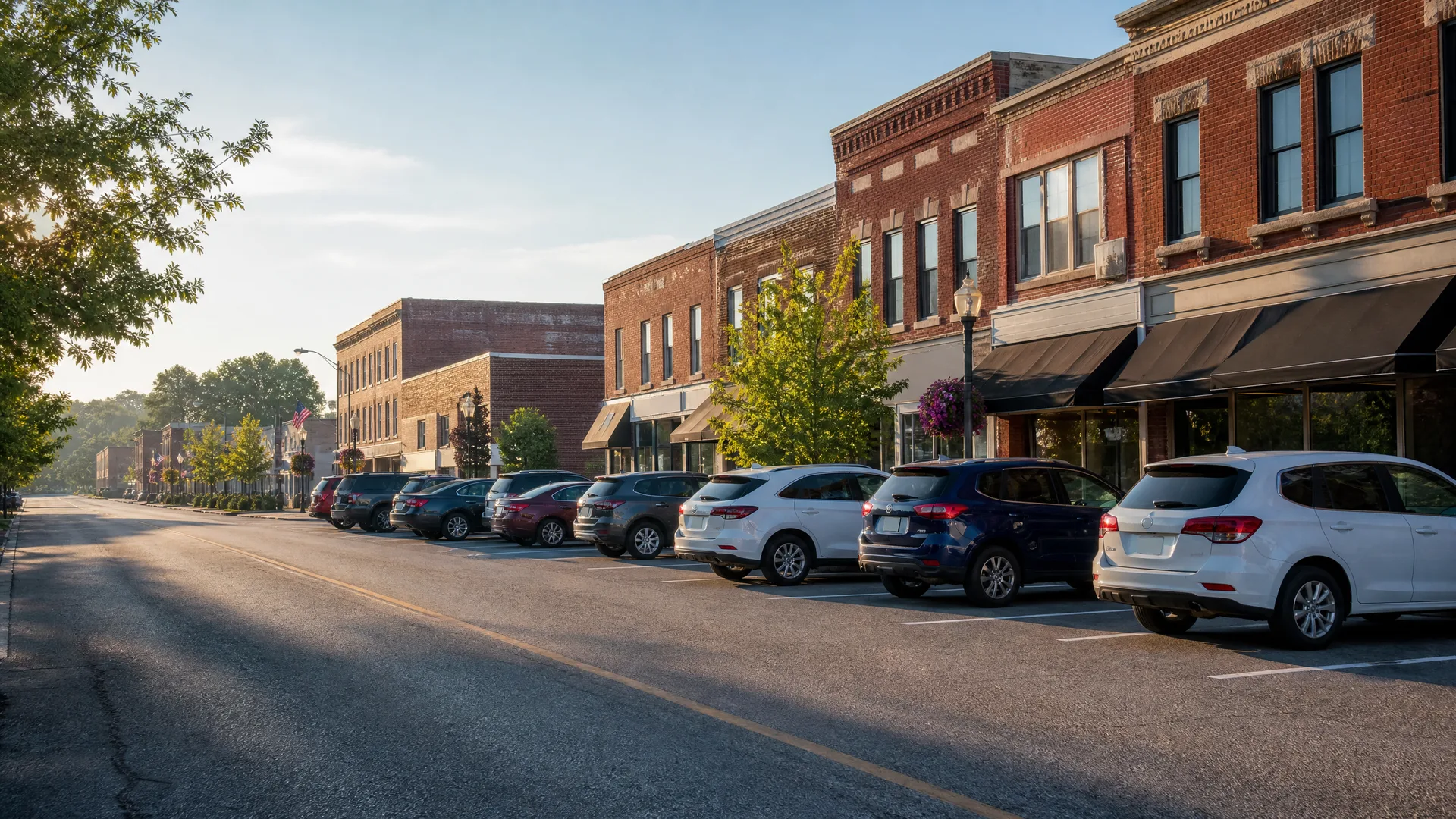
A driver left their car parked overnight and found it gone the next morning. They called the police first to file a report, then called their insurer the same day. They weren't sure what coverage they had, so the agent pulled up their policy and confirmed comprehensive was listed, along with a rental reimbursement add-on.
The insurer opened a claim and gave the driver a reference number tied to the police report. While the investigation ran, the rental coverage paid for a replacement car up to the policy's daily limit. The car was never recovered, so after the waiting period required by the insurer, the claim was settled as a total loss based on the car's value, minus the deductible. Because the car was financed, the payout went first to the lender to close out the loan balance before anything came to the driver.
Now that you know what covers theft, compare quotes to make sure comprehensive is on your policy at a fair price.
What if my car is recovered but damaged?
You still file the claim as a comprehensive loss, not collision, because the underlying cause was theft. The insurer will inspect the damage and decide whether to repair the car or declare it a total loss, the same way they would with any other comprehensive claim.
The deciding factor is usually cost. If repairs cost more than the car is worth, or cross a threshold your insurer sets, they'll total it instead of fixing it. If repairs are reasonable, they'll authorize a shop and you'll get the car back once it's done. Either way, your deductible applies once, not twice, even if the car was both stolen and damaged. Keep records of the car's condition before and after recovery, since that documentation can matter if there's any dispute about what damage happened during the theft.
The coverage that protects you from theft isn't automatic, so check for it before you ever need it.