Comprehensive Coverage and Theft
Comprehensive coverage is the part of your policy that pays out when your car is stolen, but only if you carry it.
Theft falls under comprehensive, and that decides everything
Car insurance splits physical damage into two separate coverages. Collision pays when your car hits something or something hits it. Comprehensive pays for almost everything else that can happen to a parked or stolen car, including theft, vandalism, fire and falling objects. If your policy only has collision, or only has liability, a stolen car isn't covered at all. This is why the first thing to confirm after a theft is not what happened but what your policy actually includes.
Comprehensive is optional in most cases, unless a lender or lease requires it. People who own their car outright sometimes drop it to save money, not realizing it's the only coverage that responds to theft. If you're not sure whether you have it, your policy declarations page will list it by name, usually with its own separate amount you'd owe out of pocket before the payout.
Once a theft is reported, the insurer doesn't pay immediately. Most will wait a period to see if the car is recovered before treating it as a total loss, because paying out and then having the car turn up creates complications. If the car is found, the insurer typically pays for the damage instead of the full value. If it isn't found in that window, the claim moves toward a total loss payout based on the car's value right before it was stolen, not what you paid for it.
What you're owed and what happens to a loan or lease are two different questions. The insurance payout goes toward the car's value. If you still owe more than that on a loan, you're responsible for the difference unless you separately carry a coverage that fills that gap. This matters most for newer cars and longer loans, where the gap between value and balance can be largest.
A car stolen from a driveway overnight
Someone wakes up to find their car gone from the driveway. They call the police first to file a report, since most insurers require one before they'll even open a theft claim. They then check their policy and find comprehensive listed with its own separate amount owed out of pocket. They call their insurer the same day, file the claim, and ask directly what happens next and how long the waiting period is before the car is considered unrecoverable.
The insurer explains that police will search for a set window first. During that time the person arranges a rental, which their policy covers only because they'd added rental reimbursement earlier, something they almost skipped. The car isn't found. At the end of the window, the insurer declares it a total loss and pays out its value right before the theft. The person still owes more on their loan than that payout, so they cover the remaining balance themselves, since they hadn't added coverage for that gap. They walk away with a payout, a lesson about what coverage they're missing, and a new policy that closes that hole going forward.

Whether you confirm comprehensive is on your policy before you need it
If you do
You know immediately what's covered and what it costs out of pocket. If your car is ever stolen, you skip the panic of wondering whether you're covered and go straight to filing. You also have time now to add gap coverage or rental reimbursement if you're missing them, before any of it actually matters.
If you don't
You find out what you have only after the theft happens, when it's too late to change anything. If comprehensive isn't on your policy, there's no payout, and you cover the full loss. If it's there but you're missing gap coverage, you discover the loan balance you still owe only after the claim is settled.
Once you know whether comprehensive and gap coverage are both on your policy, compare quotes to close any gap you found.
What to check and do right after a car theft
- File the police report first Insurers require this before opening a theft claim. Do it the same day, and get the report number to give your insurer.
- Confirm you carry comprehensive Check your declarations page for it by name. If it isn't listed, there's no coverage for theft and no claim to file.
- Ask about the waiting period Insurers wait before declaring a car a total loss. Ask how long that window is and what happens if the car turns up during it.
- Check for rental reimbursement This pays for a replacement car while your claim is open. If you don't have it, ask what transportation options your insurer offers meanwhile.
- Find out about gap coverage This pays the difference between what you owe on a loan and what the car is worth. Without it, you cover that difference yourself after a total loss.
Does comprehensive cover items stolen from inside the car?
Usually not. Comprehensive covers the vehicle itself, not personal belongings left inside it. Items like electronics, bags or equipment are often covered instead under a renters or homeowners policy, since those typically extend to personal property anywhere, including in a car. Check both policies, because coverage for the car and coverage for what's inside it come from different places and sometimes different insurers entirely.
Will my rates go up after a theft claim that wasn't my fault?
It depends on the insurer, since theft is a no-fault event but some insurers still factor any claim into future pricing. Some treat comprehensive claims differently from at-fault accidents and don't raise rates for them at all. Ask your insurer directly how they handle comprehensive claims specifically, before you file, so you know what to expect when your policy renews.
What if my car is recovered but badly damaged?
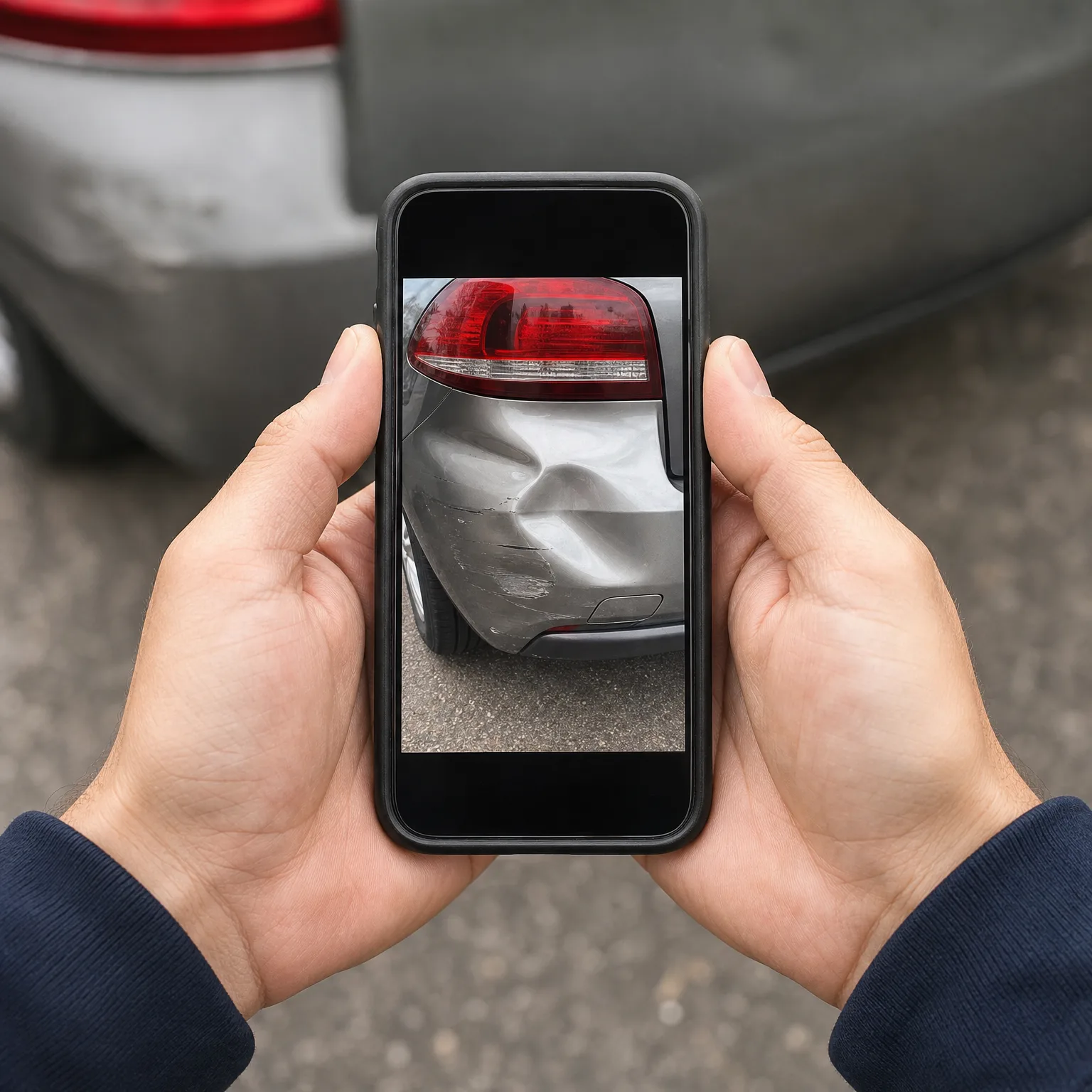
The claim shifts from a theft total loss to a damage claim, and the insurer pays for repairs instead of the car's full value. If repair costs come close to or exceed the car's worth, the insurer may still total it. Ask for a written estimate and compare it to the car's value before accepting either a repair or a total loss payout, since the better outcome depends on that comparison.