What Happens if My Car Gets Stolen and I Still Owe Money
If you have comprehensive coverage, your insurer pays what the car was worth, and gap coverage can cover the rest you still owe.
What decides whether you're covered and for how much
- Comprehensive coverage This is the part of your policy that pays for theft, not liability or collision alone. Check your declarations page or app now to see if it's listed.
- Payout is value, not payoff Insurance pays what the car was worth right before it was stolen, not what you still owe on the loan. If those numbers differ, you could be left owing money.
- Gap coverage closes the gap If you have gap coverage through your lender or insurer, it pays the leftover loan balance after the insurance payout. Check your loan paperwork or policy to see if you added it.
- Waiting period for a loss Insurers wait before declaring a stolen car unrecoverable, since many turn up. Ask your adjuster what their timeline is and what happens to your loan payments meanwhile.
- Loan payments don't pause Your lender still expects payments while the claim is open, even though the car is gone. Call your lender right away to ask about any hardship or deferment option.
What if my car is found but damaged instead of stolen for good?
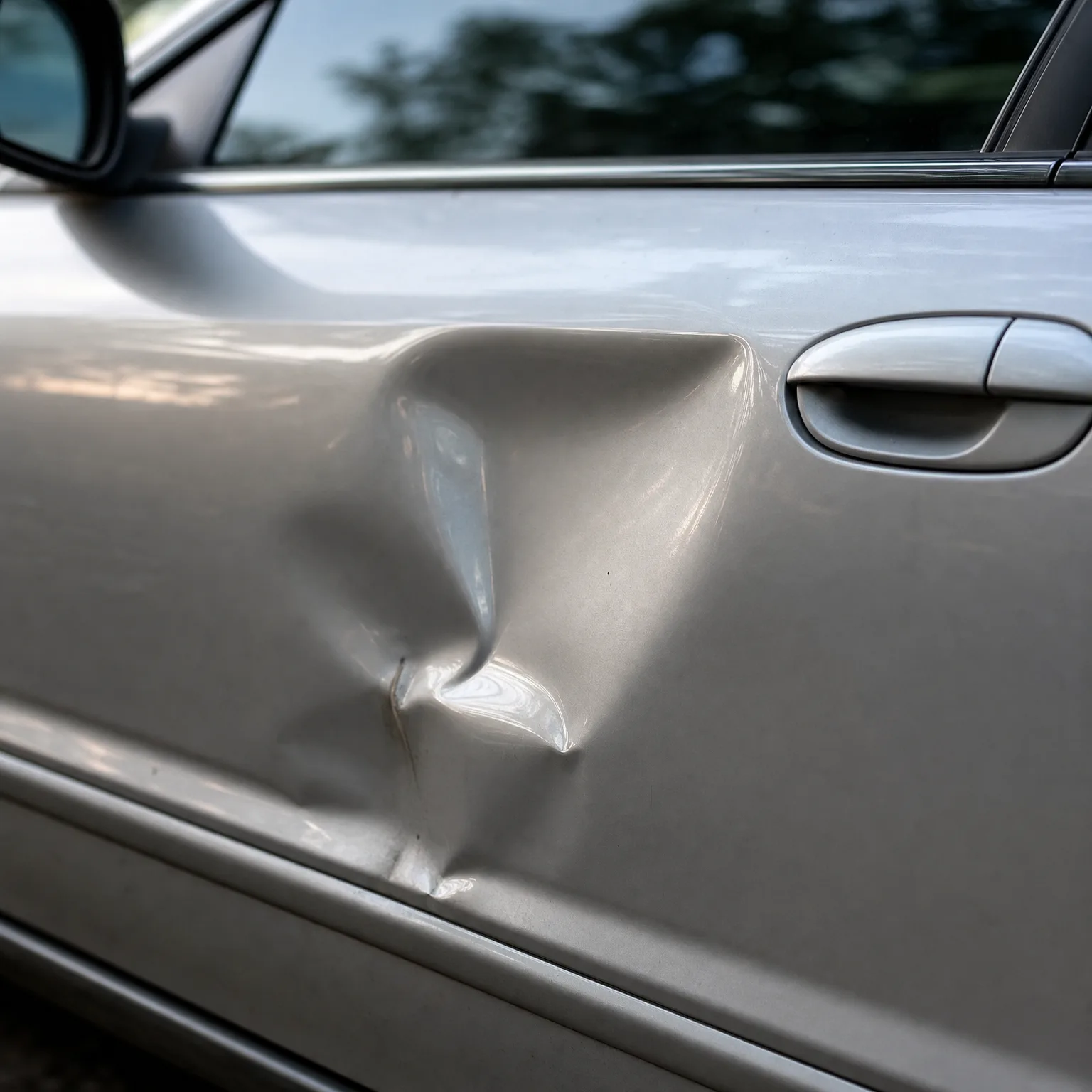
If your car comes back damaged, your insurer will decide whether to repair it or declare it a total loss. If the damage costs more to fix than the car is worth, they'll usually total it and pay you that value, the same as if it had never been found.
If they repair it instead, you'll get the car back once the shop finishes, and your collision or comprehensive coverage pays for the repairs depending on how the damage happened. Either way, keep paying your loan during this time, since the lender doesn't wait for the claim to close. Ask your adjuster directly which outcome they're planning for, since that changes whether you should expect a check or a repaired car.
The payout replaces the car's value, not your loan balance, so that gap is yours unless gap coverage fills it.
Once you know whether you have comprehensive and gap coverage, compare quotes with that gap already closed.

Whether you check for gap coverage before you need it
If you do
You'll know now whether a theft would leave you owing money on a car you no longer have. If you don't have it and your loan balance is close to or above the car's value, you can add it before anything happens, closing the risk while it's still avoidable.
If you don't
You'll find out only after the theft, when the insurance payout arrives and it's lower than what you owe. At that point you can't add gap coverage retroactively, and you're responsible for paying the difference out of pocket or financing it separately.
A leased car stolen with two years of payments left
A driver leased a car and had about two years of payments remaining when it was stolen from a parking garage. They had comprehensive coverage but weren't sure if gap coverage was included, since many leases require it. They filed a police report immediately, then called their insurer to start a claim, and called the leasing company the same day to report the theft and ask about their contract's requirements.
The insurer waited several weeks before declaring the car unrecoverable, then paid out its value. Because gap coverage had been built into the lease agreement, it covered the remaining balance between that payout and what was owed, so the driver didn't pay anything further. They used a rental car arranged through their policy's rental reimbursement benefit while the claim was processing, and once it settled, they shopped for a replacement with gap coverage confirmed upfront this time.