Is Keying Someones Car a Crime
Yes, keying someone's car is a crime, usually charged as vandalism or criminal mischief, and comprehensive insurance covers the damage.
It's treated as property damage, not a personal dispute
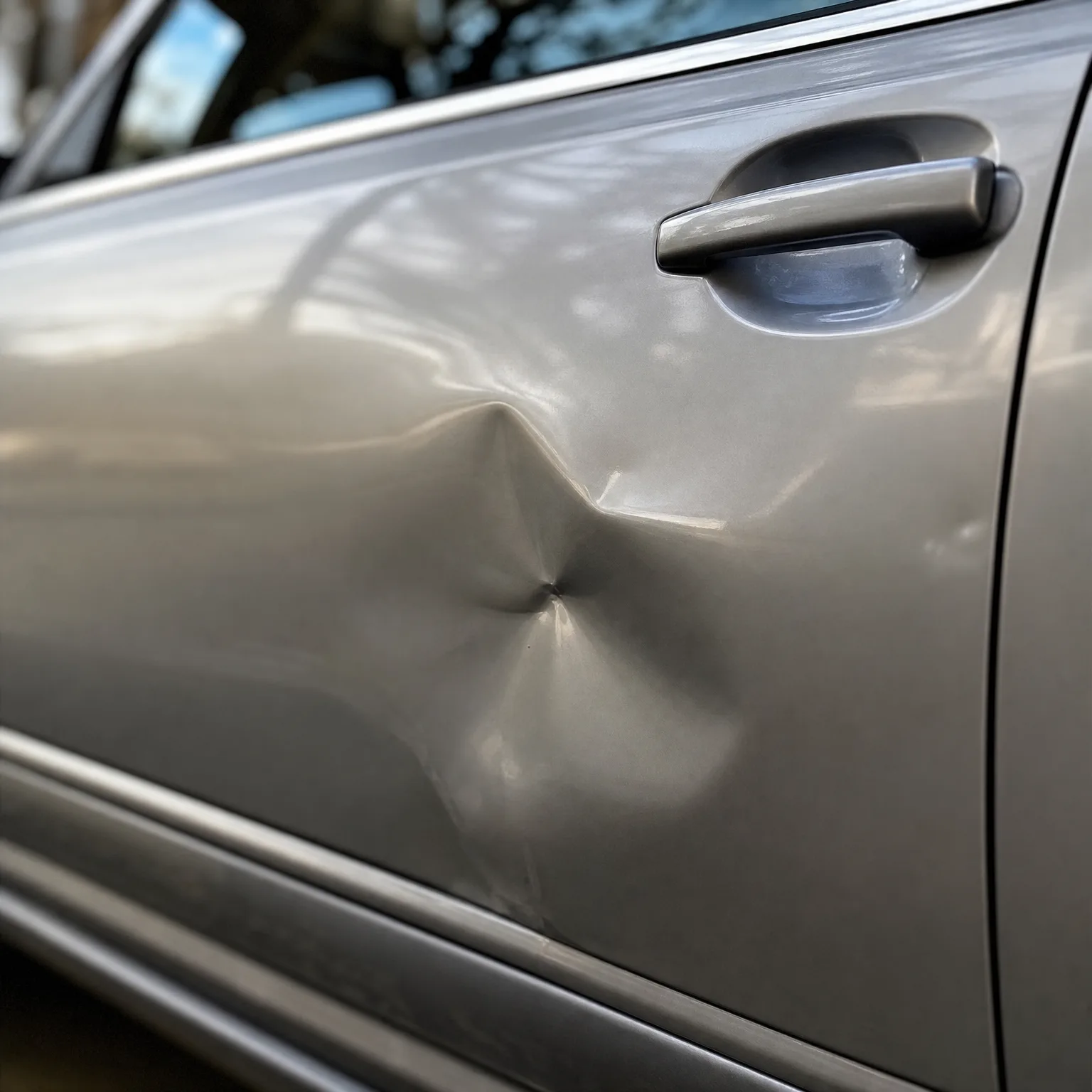
Scratching someone's paint is intentional damage to property that isn't yours, and that's exactly what vandalism and criminal mischief laws exist to punish. It doesn't matter if the person doing it felt justified, angry, or was settling a score. The law looks at the act and the damage, not the motive behind it.
How serious the charge is depends on the cost of the repair and the state where it happened. Some places set a dollar line that separates a minor offense from a felony, and that line moves depending on the jurisdiction. A scratch on one panel is treated differently than damage deep enough to need a full repaint or body work.
On the insurance side, this falls under comprehensive coverage, which handles damage from things other than a collision, like vandalism, theft, or weather. If comprehensive is on the policy, the owner can file a claim and get the car repaired regardless of whether police ever identify who did it. If comprehensive isn't on the policy, there's no coverage for this kind of damage, and the owner pays out of pocket unless the vandal is identified and pursued directly.
The criminal case and the insurance claim run on separate tracks. Police may or may not catch the person responsible, and that has no bearing on whether the insurance claim gets paid. Filing a police report still matters, though, because most insurers want one on file before they'll move forward with a vandalism claim.
The short version
Keying a car is a crime, usually charged as vandalism or criminal mischief, and the damage is covered under comprehensive insurance if that coverage is on the policy. File a police report first, since insurers typically require one for vandalism claims. Then call the insurer to start the claim, whether or not the person responsible is ever found.
What if the person who keyed the car is never caught?
The claim still moves forward. Comprehensive coverage doesn't require an identified suspect, it just requires that the damage happened and gets documented. The insurer will want the police report, photos of the damage, and a repair estimate, but they don't need a name attached to approve the claim.
This is different from pursuing the person directly for the cost, which does require identifying them, usually through a witness, a confession, or security footage. If someone is identified later, the insurer may pursue reimbursement from that person on the owner's behalf, which is called subrogation. But that happens after the claim is paid, not before, so the owner isn't left waiting on an investigation to get the car fixed.
Now that you know how vandalism claims work, compare quotes to find coverage that pays for this kind of damage.
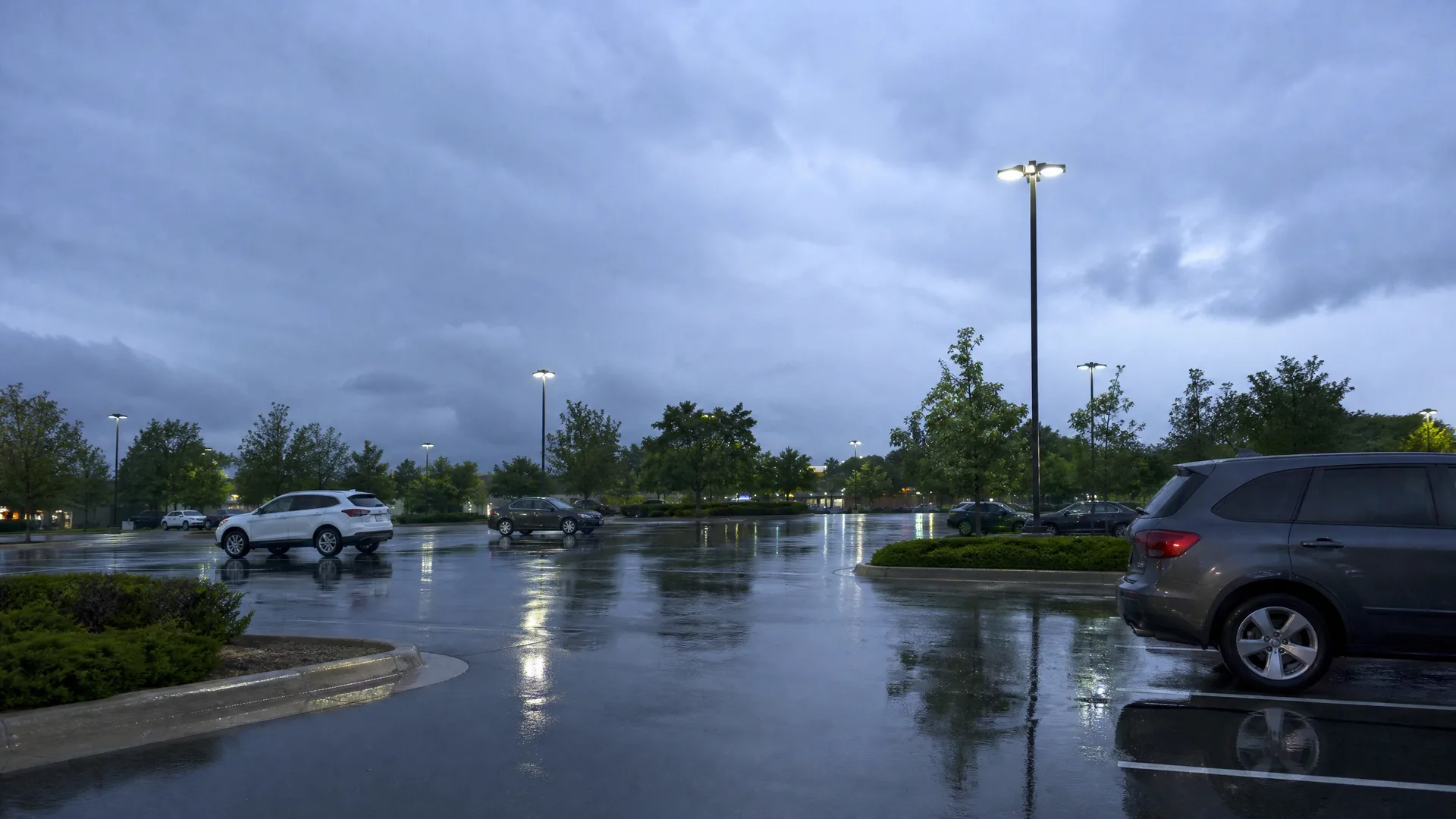
A keyed car in a parking lot with no witnesses
Someone comes out of a grocery store and finds three long scratches down the driver's side door, clearly made on purpose. There's no note, no witness, and the parking lot has no cameras pointed at that spot. The first instinct is to feel stuck, since there's no way to know who did it or why.
The right move is to file a police report anyway, even without a suspect, because the report documents that the damage happened and when. Next comes photos of the scratches from a few angles, then a call to the insurer to open a comprehensive claim. The insurer sends an adjuster or asks for a repair estimate, and once it's approved, the owner pays only the deductible while the rest of the repair cost is covered. The case against the vandal stays open with police, but the car gets fixed either way.

Getting paid doesn't depend on catching the vandal, it depends on whether comprehensive is on your policy.