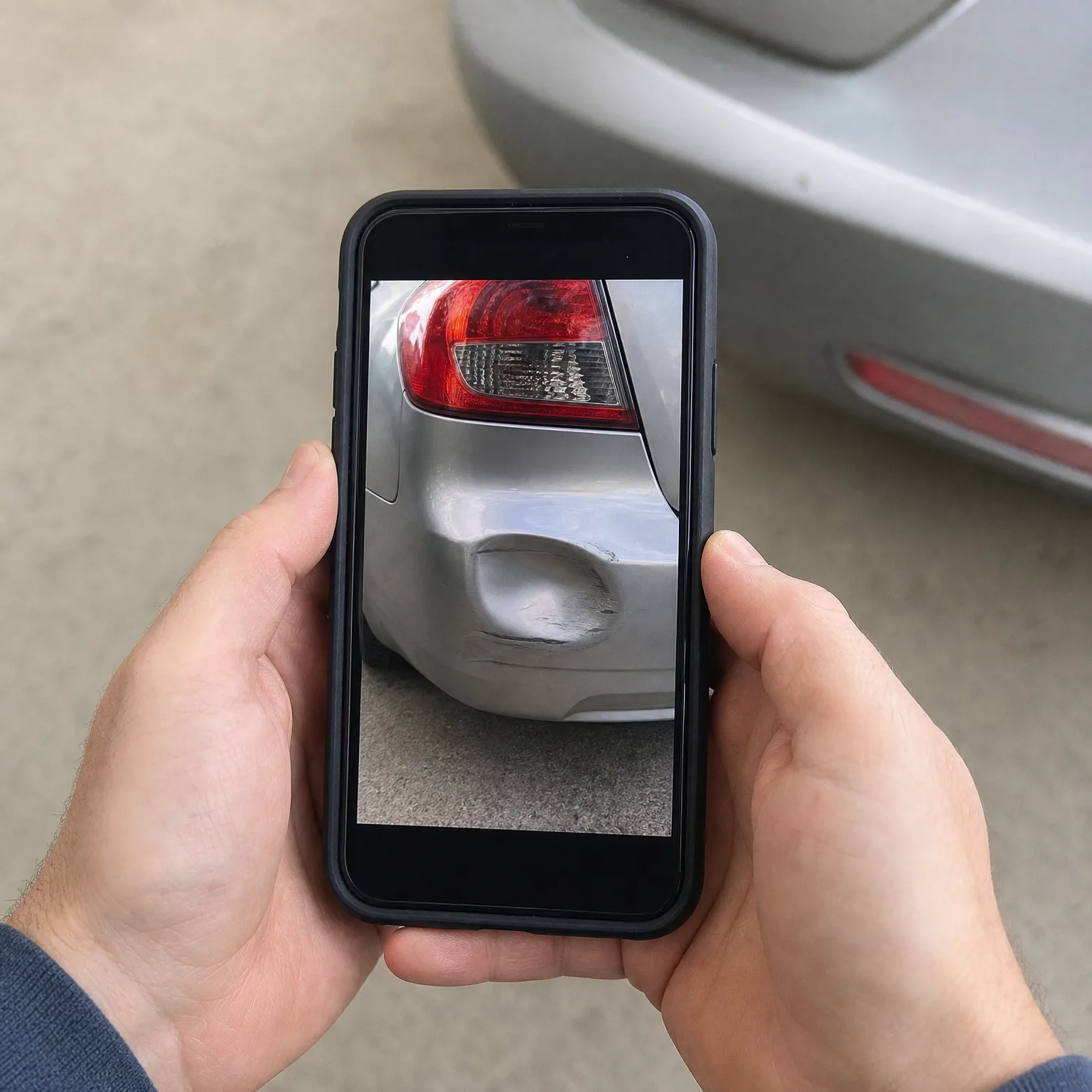
How to Tell if a Car Alarm Went Off
Check the fob memory, any phone app alerts, physical signs of tampering, and nearby witnesses or cameras to piece it together.
Here's how to piece together what the alarm did
- Check the key fob memory Some fobs show a light pattern or let you cycle through a status check for the last alarm event. Look in your owner's manual for the sequence specific to your car.
- Look for physical alarm damage A triggered alarm sometimes leaves a drained battery, a disconnected horn wire, or a cut siren. If the battery is dead or wiring looks tampered with, that's a sign the alarm sounded and someone silenced it.
- Ask neighbors what they heard People nearby often remember hearing an alarm even if they ignored it. Ask anyone who was home or outside around the time the theft or break-in likely happened.
- Pull nearby camera footage Doorbell cameras, business security systems, or traffic cameras may have caught both the alarm sound and the vehicle being taken. Footage also helps your insurer and the police build a timeline.
- Review your phone app history If your car has a connected app, check it for alerts, since many send a notification the moment the alarm triggers. This can give you an exact timestamp even if you didn't hear it.

The short version
You can't check the alarm directly after the fact, so you piece it together from the fob memory, physical signs of tampering, nearby witnesses, camera footage, and any connected app alerts. This matters because insurers and police use that timeline to understand what happened. Start with your phone app and key fob, since those are fastest to check.
Does it matter for my claim if the alarm never went off?
It can help your claim but it isn't the deciding factor. Insurers care most about whether a theft or break-in actually happened, which they confirm through a police report, physical damage, and your own account. Whether the alarm sounded is one more piece of evidence, not a requirement for coverage.
If the alarm never triggered, some insurers may ask why, especially if you're filing a theft claim and the car shows no forced entry. Having an answer ready, like a disarmed system or a key that was stolen first, helps the claim move faster. If the alarm did go off, mentioning it and sharing any footage or witness accounts supports your version of events and can speed up the investigation.
Either way, don't delay reporting the claim while you investigate the alarm. File first, then add alarm details as you gather them.
Once you know what happened the night your car was taken, compare quotes with that story already clear in your claim.

Should you dig into the alarm before filing your claim
If you do
You delay reporting while you check the fob, ask neighbors, and look for footage. This can build a stronger case, but it also pushes back your claim start date and may leave you without a rental car or payout longer than necessary.
If you don't
You report the theft or break-in right away and investigate the alarm afterward. Your claim starts moving immediately, and you can still add alarm evidence, footage, or witness statements later without losing time on the parts that matter most.

A driver who woke up to a missing car
A driver woke up and found their car gone from the driveway. They hadn't heard any alarm overnight, and their first thought was whether the system had failed or whether someone had disarmed it before driving off. Instead of spending the morning investigating, they called the police to file a report and then called their insurer to start the theft claim, since both wanted a timeline as soon as possible.
Later that day, they checked their phone app and found a notification timestamped at three in the morning, right when the alarm had triggered and then gone silent. They also noticed their neighbor's doorbell camera had caught a flatbed tow truck on the street around the same time, suggesting the car had been loaded up rather than hotwired and driven off. They shared both the app alert and the camera clip with their insurer, which helped confirm the theft wasn't a misunderstanding or a repossession error. The claim moved forward without additional questions, and they received a rental car within a couple of days while the investigation continued.
What if my car alarm went off a lot before it was stolen?
That history usually doesn't affect your claim unless your insurer specifically asks about it. Frequent false alarms sometimes mean neighbors learned to ignore the sound, which is worth mentioning if you're explaining why no one investigated the night it was actually taken. Check your policy for any alarm-related discount requirements, since a malfunctioning system could affect that discount going forward, separate from the theft claim itself.
Can police use alarm data to find my stolen car?
Sometimes, if your alarm system logs a timestamp or connects to a tracking app, since that data can narrow down when the theft happened. Give police anything you have, including app alerts or fob history, even if it seems minor. Whether it directly helps locate the car depends on whether your system includes GPS tracking or only sound and lock alerts, so check what your specific setup offers.
Will my insurer think I'm lying if the alarm didn't go off?
Not automatically, since insurers know alarms fail, get disarmed, or simply don't trigger depending on how the theft happened. What matters more is whether your account matches other evidence like forced entry, witness statements, or footage. If an insurer raises doubts, ask what specifically concerns them and provide documentation, like a police report or repair record, to support your timeline.