How Does Car Insurance Reimbursement Work
Your insurer pays you the car's cash value or repair cost, minus your deductible, after they confirm the claim and the amount.
You're paid what the car was worth, not what you paid for it
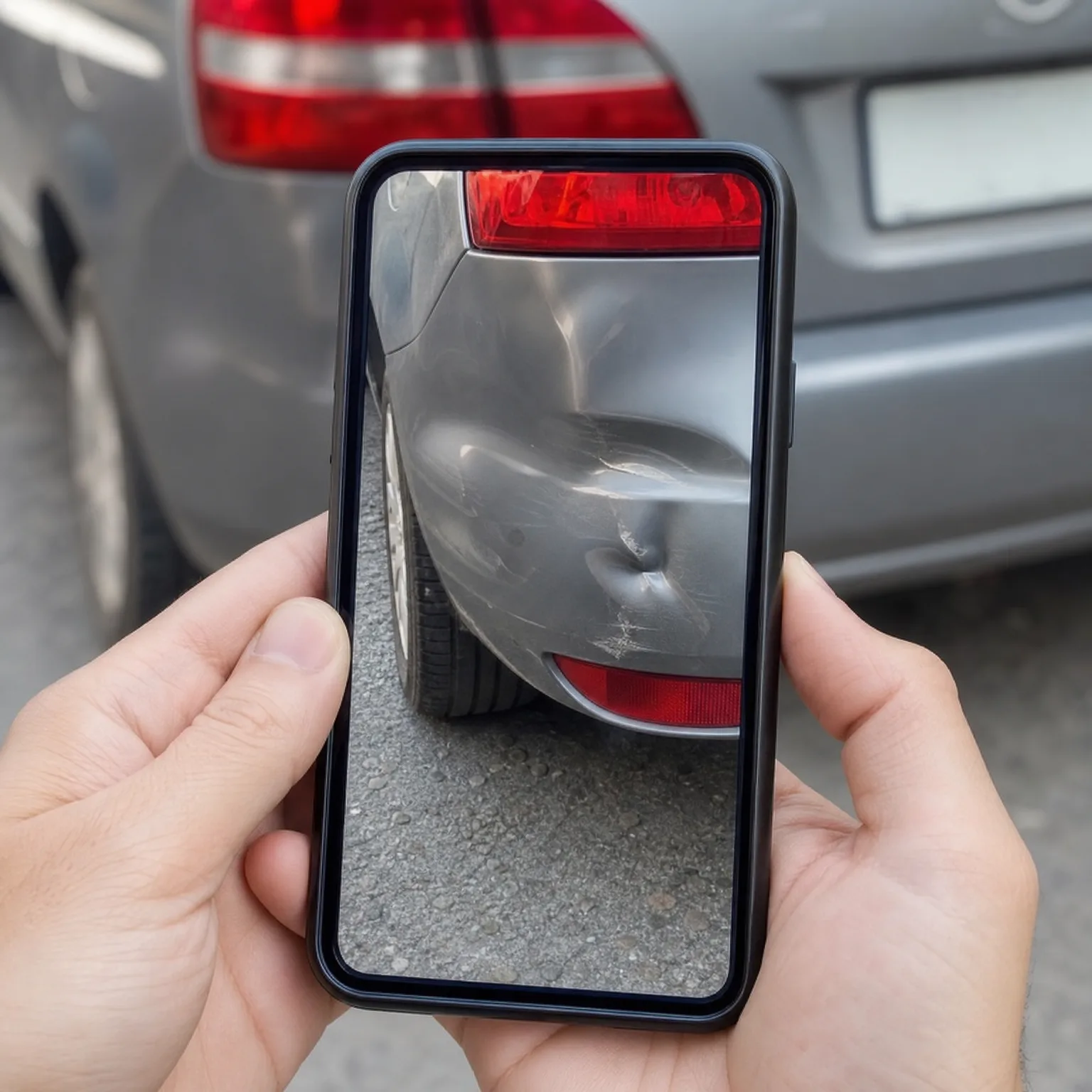
Car insurance reimbursement is built around one idea. The insurer restores you to where you were before the loss, not better off and not worse. That means they pay either the cost to repair the car or its actual cash value if it's totaled, whichever applies to your situation. They are not paying you back the purchase price or the loan balance, they are paying for the value the car itself had right before it was stolen, wrecked or damaged.
Actual cash value accounts for age, mileage, condition and what similar cars are selling for in your area. This is why two people with the same model year can get different payouts. The insurer usually pulls comparable listings or uses a valuation tool, and you have the right to challenge the number if you think it's wrong, using your own comparable listings or an independent appraisal depending on your state's rules.
Your deductible comes out of whatever the payout would otherwise be. If your car is repaired, you pay the deductible to the shop or it's subtracted from the insurer's check. If the car is a total loss, the deductible is subtracted from the cash value before you receive anything. If you have a loan or lease, the payout goes to the lienholder first, and you only see money if the value exceeds what you owe.
Timing and process vary by insurer and by state, including how long you have to accept a settlement offer and what documentation they require. Some states also regulate how insurers must calculate cash value or handle disputes. Check your policy declarations page and your state's insurance department for the specifics that apply to you.
What decides how much you actually get paid
- Repair vs. total loss If repair costs are less than the car's value, they'll pay for repairs. If repair costs exceed the value, it's totaled and you get cash value instead.
- Your deductible This amount is subtracted from either the repair payout or the cash value. Confirm your deductible amount before you agree to anything.
- Loan or lease payoff If you still owe money on the car, the lender gets paid before you do. Ask your lender for your current payoff amount right away.
- Rental coverage availability This is a separate coverage that pays for a rental car while your claim is processed. Check your declarations page to see if you have it.
- Disputing the value You can push back if the cash value offer seems low. Gather comparable car listings in your area and submit them to the adjuster.
Once you know how your payout will be calculated, compare quotes to make sure your next policy covers what this one did.
What if the payout is less than what I still owe on the car?
This is called being upside down or underwater on the loan, and it happens when the car's cash value is less than your remaining loan balance. Standard comprehensive and collision coverage will not cover that gap. You would be responsible for paying the difference to your lender out of pocket.
There's a separate coverage for exactly this situation, often called gap coverage, which pays the difference between the cash value and what you owe. It's usually added when you finance or lease a car, and it's worth checking your policy now to see if you already have it. If you don't, and you still owe a significant amount on your car, it's worth asking about adding it before you need it, since you can't add it after a loss has already happened.

Whether you accept the first settlement offer
If you do
You get paid faster and the claim closes quickly, which helps if you need to replace the car soon. But if the offer was based on a low valuation, you've given up your chance to negotiate once you cash the check or sign the release, so you're accepting that number as final.
If you don't
You can gather comparable listings, request a reappraisal, or ask the adjuster to explain their valuation. This takes more time and some effort on your part, but it can raise the payout if the original number didn't reflect your car's real condition or local market value.
How long does it take to get paid after a car theft or accident claim?
It depends on how long the investigation takes and whether the car is recovered or declared a total loss, so there's no fixed timeline that applies to everyone. Theft claims often involve a waiting period before the insurer will even process the claim, since the car might still turn up. Once a settlement is agreed, payment itself is usually fast. Check with your adjuster for an estimated timeline specific to your claim, and ask what documents are still needed, since missing paperwork is the most common delay.
Do I get a rental car while my claim is being processed?
Only if you have rental reimbursement coverage on your policy, which is separate from comprehensive or collision. It's not automatic. If you have it, there's usually a daily limit and a maximum number of days, so check your declarations page for those specifics. If you don't have this coverage, you're responsible for arranging and paying for your own transportation while the claim is handled, which is worth confirming with your agent right away.
What happens if my stolen car is recovered after I'm already paid?
This depends on your insurer and the specifics of your settlement, so you need to ask directly once the car turns up. In many cases, once you accept a total loss payout, ownership of the car transfers to the insurer, and you don't get to keep it even if it's found. Some insurers will let you buy the car back or reverse the settlement if it's recovered quickly and undamaged, but this varies, so confirm your options before assuming either outcome.