Does Third Party Insurance Cover Theft
No, third party insurance only pays for damage you cause to others, so a stolen car isn't covered unless you also carry comprehensive.
Third party insurance pays for damage you cause, not damage to you
Third party insurance exists to cover the other driver, not you. It pays for the damage or injury you cause to someone else's car or person if you're at fault in an accident. It was never built to protect your own vehicle, so theft, vandalism, fire and weather damage all fall outside what it does.
Comprehensive coverage is the separate piece that protects your own car from things other than a collision. Theft sits squarely in that category, along with break-ins, vandalism and animal damage. If comprehensive isn't on your policy, there's no path to a payout for a stolen car, no matter how the theft happened or how good your driving record is.
This is also why so many people are surprised in the moment. They know they have insurance and assume it covers their own losses too, because that feels like what insurance is for. But the policy is often built in layers, and the layer that protects other people is not the same layer that protects your property.
What varies is how insurers label and bundle these layers, and some states set their own minimum requirements for the liability piece. Check your declarations page or call your insurer to see exactly which coverages you carry, rather than assuming from the policy's name alone.
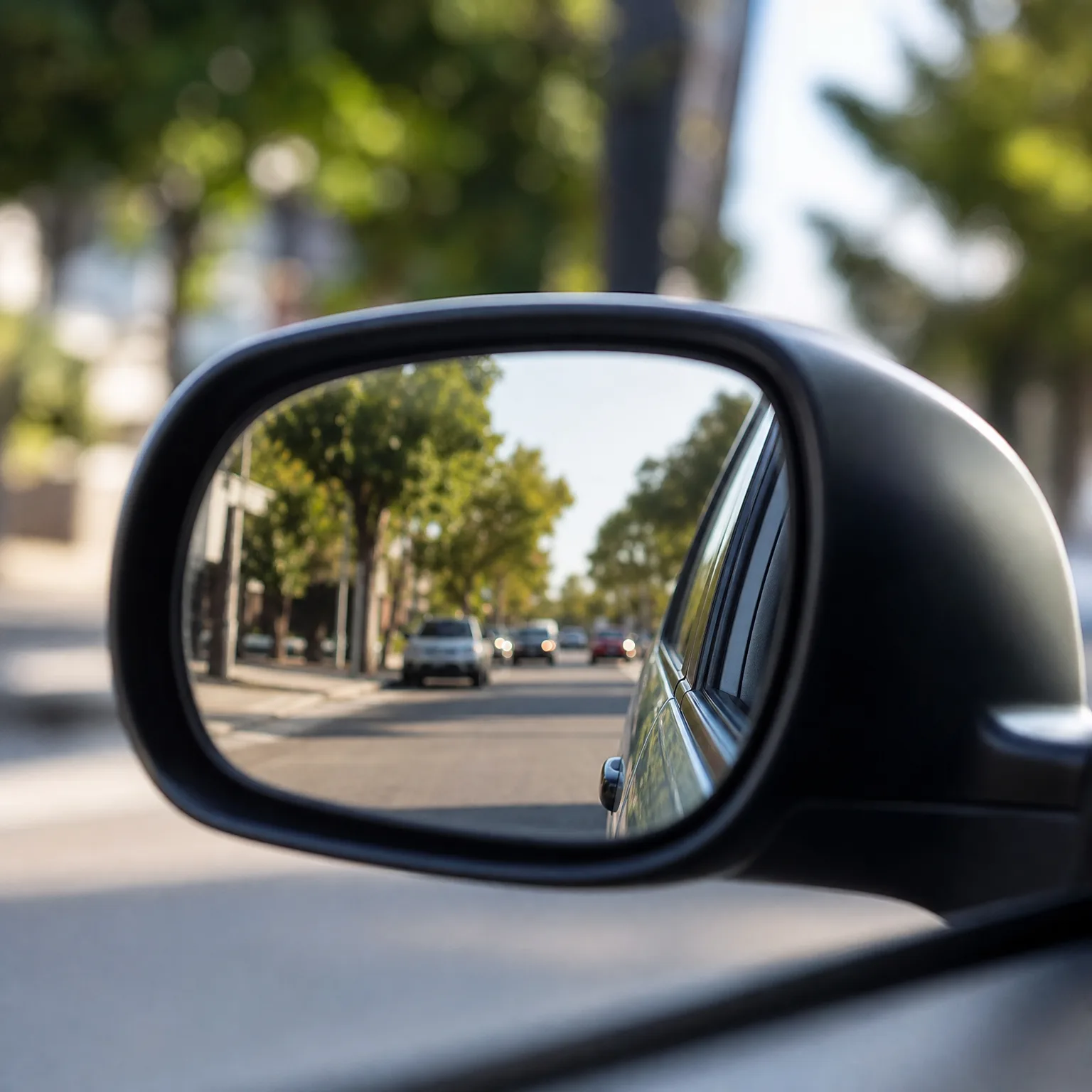
A stolen car with only third party coverage
Someone parks their car overnight on a city street and wakes up to find it gone. They call their insurer right away, relieved they have a policy at all, only to learn it's third party only. The agent explains that this type of policy was written to satisfy legal requirements and protect other drivers, not to pay out for their own stolen vehicle.
Without comprehensive coverage, there's no claim to file for the car itself. They still have to report the theft to the police, and if the car is financed, they have to keep making loan payments on a vehicle they no longer have. The outcome here isn't a lesson about what they should have bought years ago. It's a concrete gap, and the next real decision is whether to add comprehensive going forward so this can't happen again.

Check your policy before you assume you're covered
If you do
You pull up your declarations page or call your insurer and confirm whether comprehensive is listed alongside liability. You find out in minutes whether a stolen car would be paid for, what you'd owe toward it, and how the claim process works, so you're not guessing during an actual theft.
If you don't
You find out only after your car is stolen, when it's too late to change anything. You're left covering a loan or lease on a car you no longer have, arranging your own transportation, and absorbing the full loss alone, all while still facing the same premium payments as before.
Now that you know whether comprehensive covers you, compare quotes to close the gap or confirm you're covered.

What actually determines whether a stolen car is paid for
- Comprehensive coverage This is the piece that pays for theft, not liability. Check your policy documents for it by name before assuming you're protected.
- Your loan or lease If the car is financed, the lender likely requires comprehensive already. Confirm this with your lender or insurer so you're not accidentally uninsured for theft.
- What you'd be paid Payouts are generally based on the car's value at the time of theft, not what you paid for it. Ask your insurer how they calculate that value.
- Reporting the theft Police and insurer reports both matter and usually have to happen quickly. File the police report first, then start the insurance claim the same day.
- Getting around meanwhile Rental or replacement transportation is its own add-on, separate from comprehensive. Check whether you have it, since it determines how you get around during the claim.
What if my car is stolen and recovered damaged, not gone for good?
A recovered car is still a covered loss under comprehensive if you have it, and the insurer will typically pay to repair the damage rather than treat it as a total loss, unless the damage is severe enough that repair costs exceed the car's value. In that case it gets handled the same way as if it had never been found, through a total loss settlement.
What changes is the process, not the coverage. You'll likely deal with an inspection of the recovered vehicle, a repair estimate, and possibly a rental car while repairs happen if you carry that add-on. Ask your insurer directly how they decide between repairing and totaling a recovered car, since the threshold for that decision can vary by insurer and by state.