Can I Replace a Car Door Lock Myself
Yes, you can replace a car door lock yourself, but check your insurance coverage before you buy parts or start the job.
It's mechanically simple, but the insurance side changes the math
Replacing a door lock is a real repair you can do yourself. Most lock cylinders are held in with a single retaining clip or screw, reachable once you pull the interior door panel. If you're comfortable removing panel clips, working around window regulators and wiring, and sourcing the correct lock cylinder for your make, model and year, this is a weekend project for most people.
What changes the decision is how the lock got broken. If this came from a break-in or attempted theft, you likely have a police report and possibly a comprehensive claim in motion. Comprehensive coverage, where you carry it, typically pays for vandalism and theft damage including forced locks, broken windows and damaged ignitions. Doing the repair yourself before the claim is documented can cost you reimbursement you're entitled to.
If you do carry comprehensive and plan to file a claim, the usual process is to get the damage assessed or photographed first, then get an estimate, then decide whether you're paid out and fix it yourself or have a shop handle it through the insurer. Some insurers let you self-repair and submit receipts, others want to direct you to a shop or adjuster first. This varies by insurer and sometimes by state, so check with yours before buying parts.
If there's no claim involved, maybe the lock just failed with age or a key broke off inside it, then there's no insurance step to coordinate and you can go straight to fixing it. The only other thing to check is whether your door lock is tied to a central locking or alarm module, since some newer vehicles need reprogramming after a cylinder swap.
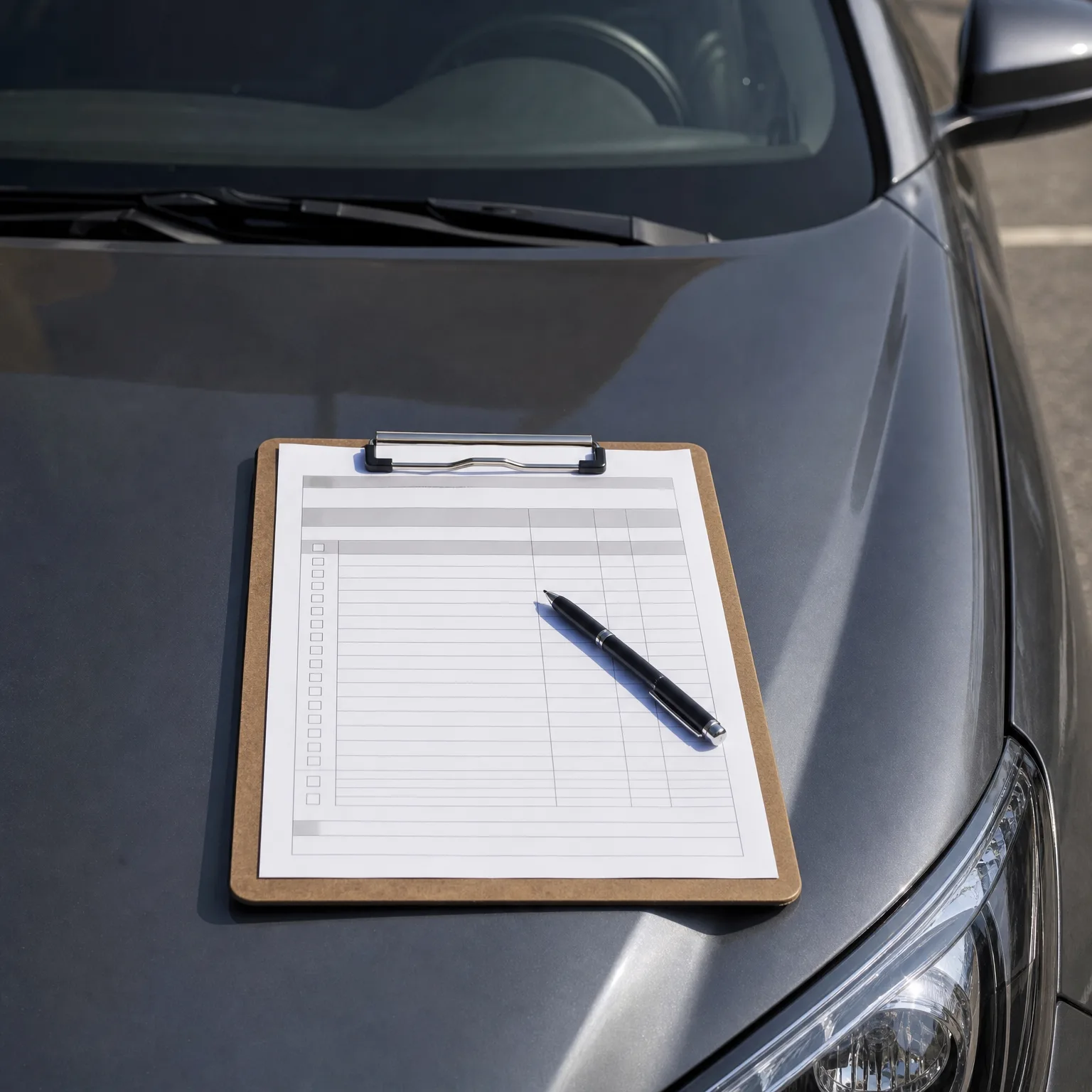
What to sort out before you touch the door panel
- Confirm the cause A break-in changes the process; a worn-out lock doesn't. Figure out which one you're dealing with before deciding your next step.
- Check your coverage first If this is theft or vandalism, find out if you carry comprehensive coverage. That determines whether repair costs might be reimbursed.
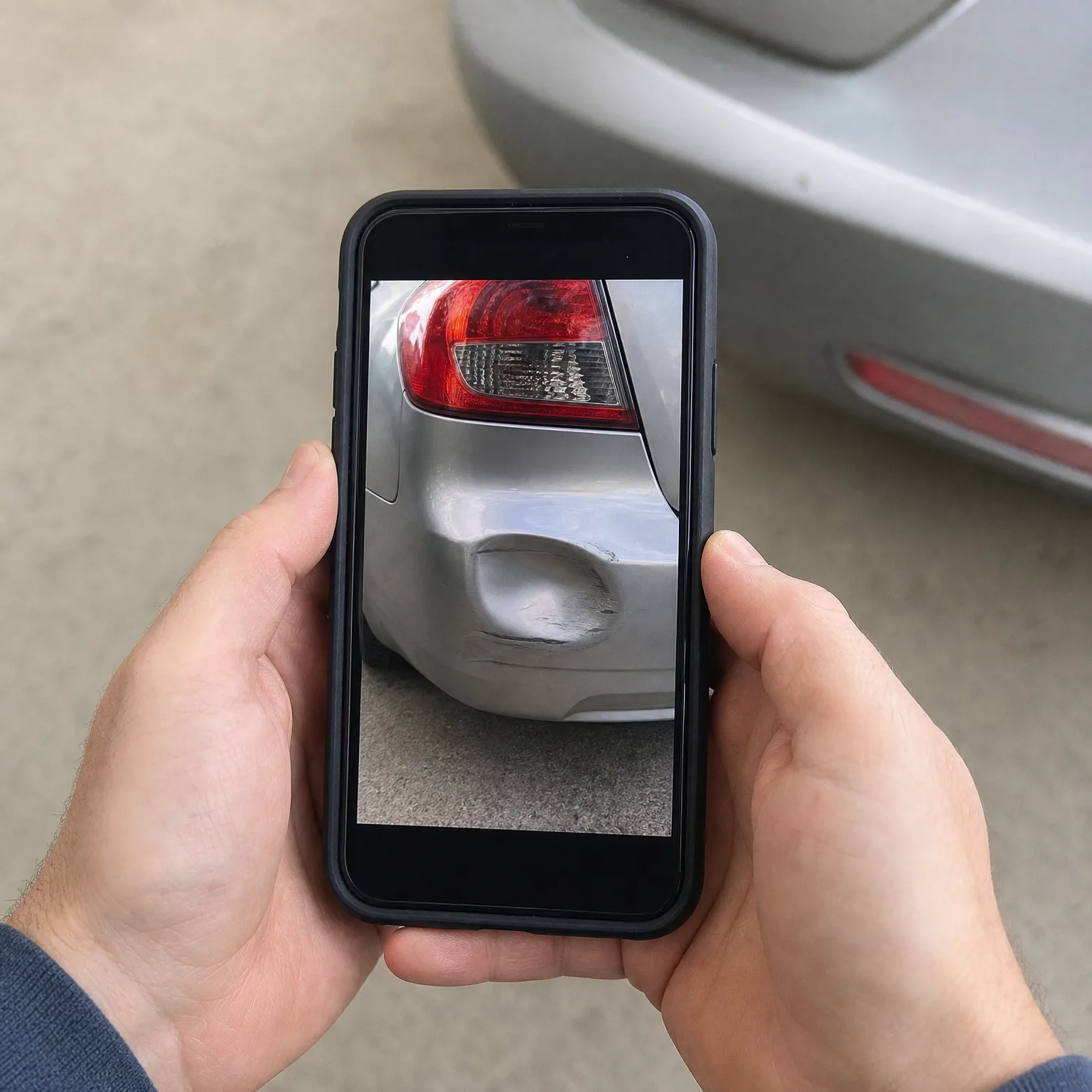
- Document before you fix Take photos of the damage and file a police report if it's a break-in. Insurers typically want this evidence before or alongside a claim.
- Get the right part Lock cylinders are specific to your make, model, year and sometimes trim. Confirm compatibility before ordering to avoid a second wait.
- Ask about reprogramming Some vehicles link the lock to an alarm or central locking module. Check if a swap requires reprogramming after installation.
Will my insurance pay for a replacement lock after a break-in?
If you carry comprehensive coverage, a broken lock from theft or attempted theft is typically covered, since comprehensive generally pays for vandalism and theft related damage rather than collisions. Whether it's worth filing depends on the repair cost compared to what you'd pay out of pocket toward your deductible, so check your deductible amount before deciding.
If you don't carry comprehensive, or you're not sure, call your insurer or check your policy declarations page before doing anything. It will state your coverages directly. If comprehensive isn't listed, you're paying for the repair yourself regardless of how it happened, and there's no reason to wait on a claims process. Either way, this is worth confirming before you buy a lock cylinder, since it changes whether you document everything carefully or just get it fixed.
Once you know whether comprehensive coverage applies, compare quotes to see what protection you'd have next time.
A broken lock cylinder after a parking lot break-in
Someone found their driver's door lock drilled out and the interior rifled through, nothing major taken but the lock no longer worked with the key. They called the police to file a report, then called their insurer the same day to ask whether this was covered. Their policy included comprehensive coverage, and the agent walked them through filing a claim, explaining that theft and vandalism damage was covered and asking for photos of the drilled cylinder and the report number.
The insurer offered to send them to a referred shop or let them self-repair and submit a receipt, since the lock cylinder itself was an inexpensive part. They chose to replace it themselves over the weekend, kept the receipt and the old damaged cylinder as evidence, and submitted both along with the photos. The claim was processed against their deductible, and they were reimbursed for the cost of the part once the paperwork went through.

The lock is easy to fix yourself. The claim, if there is one, is the part that needs handling first.
Does comprehensive insurance cover a broken car window too?
Yes, comprehensive coverage typically includes broken windows from theft or vandalism, not just locks. It's treated the same way, as non-collision damage. Check your policy for a glass coverage provision, since some insurers handle window damage with a separate, often lower or waived deductible compared to general comprehensive claims.
What if my car was stolen and recovered with lock damage?
This still generally falls under comprehensive coverage, since recovery after theft doesn't change the cause of damage. File a police report if you haven't, document everything before repairs, and contact your insurer to open a claim before fixing the lock, so the damage is recorded and reimbursable.
Can I use a locksmith instead of a dealer for a car lock replacement?
Yes, a locksmith can often replace or rekey a car door lock for less than a dealer, especially for older or simpler vehicles. Check that they can source or cut the correct cylinder for your model and whether your insurer requires an itemized receipt for reimbursement purposes.