What Is a Gap Insurance Payout
A gap insurance payout covers the difference between what your car was worth and what you still owe on your loan or lease.

What decides how much you get paid
- Your car's cash value Your regular insurer pays what the car was worth right before the loss, not what you paid for it. This number is set first and everything else is built on top of it.
- Your remaining loan balance Gap coverage pays the difference between that cash value and what you still owe. Check your last statement so you know roughly where that number stands.
- What your policy excludes Some gap policies won't cover past due payments, extended warranties rolled into the loan, or early termination fees on a lease. Read your contract so you're not surprised by what's left out.
- Who pays first Your primary insurer pays its share before the gap insurer pays anything. The gap payout only covers what's left over, so it moves on its own timeline after that first payment clears.
- Where the check goes Gap payouts are typically sent straight to the lender or leasing company, not to you. If you want to know the exact figure, ask the gap provider directly rather than assuming.
What if the payout doesn't cover the full amount I owe?
This can happen, and it comes down to what your gap policy excludes. If your loan included rolled-over debt from a previous car, an extended warranty, or unpaid late fees, those amounts often aren't covered by gap insurance even though they're part of your balance.
If that happens, you're responsible for paying the remaining difference out of pocket or working out a payment arrangement with your lender. This is why it matters to read your gap policy's exclusions before you need it, not after. Some policies also cap how much they'll pay, so a very large gap between value and balance might not be fully closed even in a normal case.
If you're in this situation now, call your lender first. Many are willing to work out terms once they understand a payout is coming, even if it doesn't cover everything.

Whether you file a gap claim after the primary payout
If you do
You submit your primary insurer's settlement and your loan payoff statement to the gap provider. They calculate the difference and send payment, usually directly to your lender. Your loan closes out and you owe nothing further, assuming the gap policy covers the full difference.
If you don't
You're left owing whatever your primary insurer didn't cover, paid directly out of pocket to your lender. The loan doesn't disappear just because the car is gone. Skipping this step when you have gap coverage means leaving money on the table that was already paid for.
Once you know how a gap payout works, compare quotes to see what coverage would close that gap for your next car.
A totaled car with a loan still outstanding
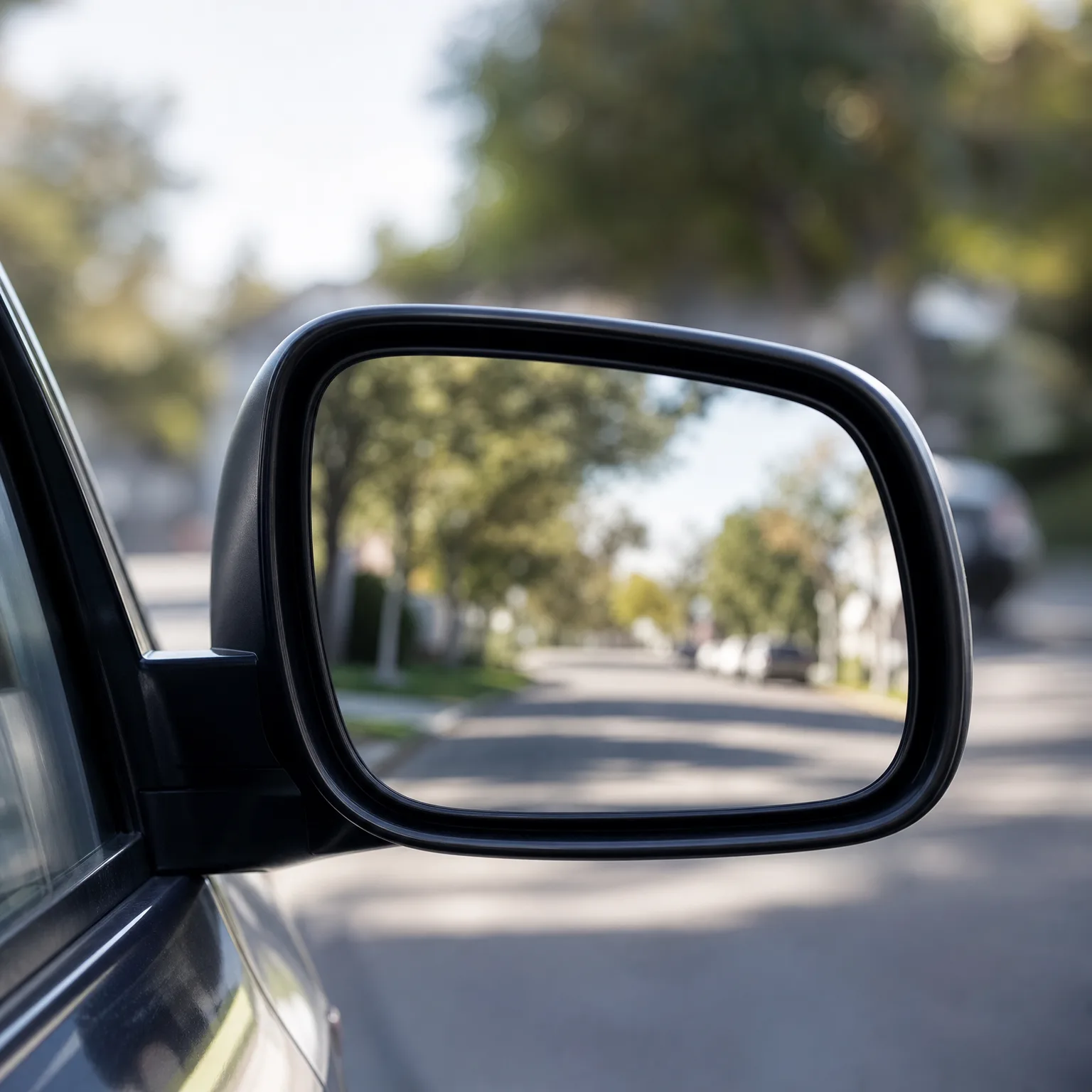
A driver's car was declared a total loss after an accident. Their primary insurer determined the car's cash value and issued a settlement, but the driver still owed more on their auto loan than that settlement covered. They checked their policy and confirmed they had gap coverage added when they financed the car.
They contacted the gap provider with the primary insurer's settlement letter and a current loan payoff statement from their lender. The gap provider calculated the difference between the two and paid that amount directly to the lender, closing out the loan. The driver didn't receive a check themselves, but they also didn't owe anything further on a car they no longer had. The whole process took longer than the primary claim because it depended on that first payout being finalized first.

Does gap insurance cover my deductible too?
Usually not, unless your specific policy says it does. Gap insurance is designed to cover the difference between your car's value and your loan balance, and your deductible is a separate cost you agreed to absorb under your primary policy. Some gap add-ons marketed through dealers do include deductible coverage, so check the actual contract language rather than assuming. If it's not listed as covered, you'll pay that amount yourself regardless of how the rest of the claim is settled.
Can I buy gap insurance after my car is already stolen or totaled?
No, gap coverage has to be in place before the loss happens. It's not something you can add retroactively once a claim is already in progress, because it's priced and underwritten based on risk going forward. If you don't currently have gap coverage and your car is financed, this is worth noting for your next vehicle rather than something you can fix for the current claim.
Does gap insurance payout affect my insurance rates later?
Filing a gap claim itself typically doesn't raise your rates the way an at-fault accident claim might, since the rate impact usually comes from the primary claim, not the gap settlement. However, this can vary by insurer and by the circumstances of the underlying loss. Ask your primary insurer directly how this specific claim is being coded, since that's what determines any future rate impact.