How Do I Know if a Thief Ruined My Engine
A ruined engine shows up as warning lights, fluid leaks, strange noises, or a car that won't start, and a mechanic's inspection confirms it.
A Car Found Three Days Later With a Dead Engine
A driver's sedan was stolen from a parking garage and recovered by police three days later, left running until it ran out of gas. When the owner got it back, it wouldn't start. They had it towed to a shop instead of trying to drive it, which turned out to matter because starting a damaged engine can finish the job a thief started.
The mechanic found the oil pan had been punctured, likely from being driven hard over a curb or median, and the engine had seized from running dry. The shop wrote up a detailed estimate with photos of the puncture and the seized components, tying the damage directly to the theft. The owner's comprehensive coverage paid for the engine replacement after the deductible, since the damage was a direct result of the theft and not unrelated wear. The claim took a few weeks because the insurer wanted the shop's documentation before approving the repair cost.
Will My Insurance Pay to Replace the Whole Engine or Just Repair It?
That decision usually belongs to the insurer and the shop together, not to you. Adjusters typically ask the mechanic to assess whether the damage can be repaired economically or whether replacement is the only realistic option. If the block is cracked, bearings are seized, or internal components are destroyed beyond simple fixes, replacement is usually the recommendation, and insurers generally approve it when the mechanic's report supports that conclusion.
If the damage is more limited, like a damaged gasket or a single part that failed, repair is often cheaper and faster, and insurers tend to prefer it for that reason. The deciding factor is almost always the written estimate from a qualified shop, so get that documentation before assuming either outcome.

Once you know how engine damage from theft gets diagnosed and paid for, compare quotes with that answer in hand.
What To Check Before You Decide the Engine Is Ruined
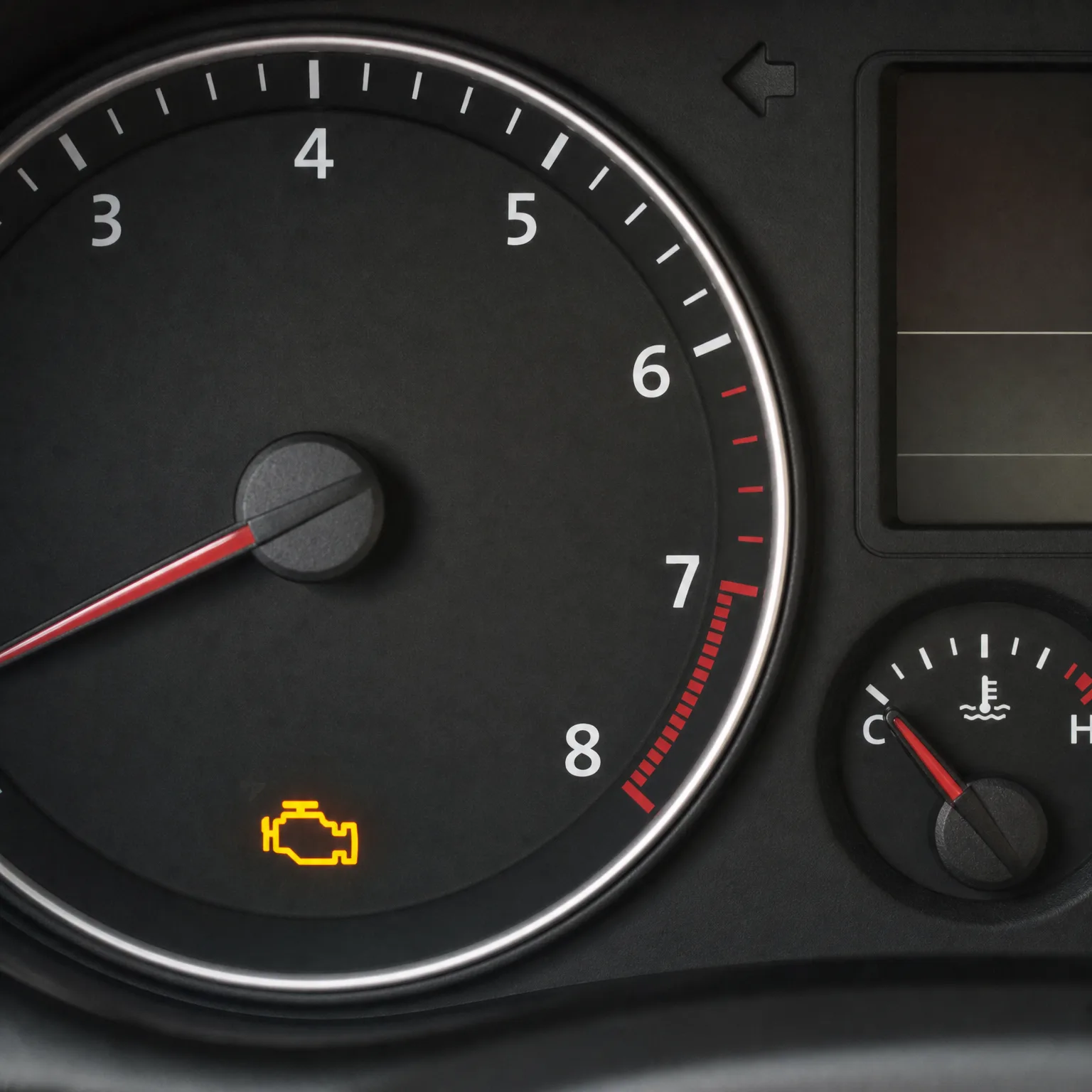
- Don't start it yourself Starting a damaged engine can cause more harm and make it harder to prove the damage came from the theft. Have it towed to a shop instead of testing it in your driveway.
- Get a written diagnostic A mechanic's report describing exactly what failed and why is what your insurer will rely on. Ask for photos and a clear explanation tying the damage to the theft.
- Check your fluid levels first Low or missing oil, coolant, or transmission fluid often points to damage from being driven without proper maintenance during the theft. Mention this to the mechanic so it's documented.
- Watch for smoke or burning smell These usually mean something inside the engine failed under stress, not just normal wear. Report this detail to both the shop and your insurer right away.
- Confirm comprehensive covers it Engine damage from theft is typically covered under comprehensive, not collision, but the cause has to be clearly theft-related. Check your policy declarations page to confirm you carry comprehensive at all.
Why the Cause of the Damage Decides Everything
Insurance treats engine damage differently depending on how it happened, because the same broken engine can fall under completely different coverage. If a thief drove your car until it ran out of oil or redlined it trying to escape, that damage traces back to the theft itself, which comprehensive coverage is built to handle. If the engine was already weak from age or neglect before the theft, insurers will look closely at whether the theft caused the failure or just happened to coincide with it.
This is why the mechanic's report carries so much weight. Insurers aren't in your garage watching what happened, so they rely on a qualified third party to translate physical evidence into a cause. A seized engine from running dry tells a different story than a cracked block from impact, and both tell a different story than corrosion that was there long before the theft.
What counts as sufficient proof can vary by insurer, and some are more willing to give the benefit of the doubt than others when the timeline is murky. Check your policy or ask your adjuster directly what documentation they need, especially if your car sat for a while before you got it back or before you noticed the damage.
There are also cases where the engine damage is so severe, combined with other damage to the car, that the insurer declares the vehicle a total loss instead of paying for repairs. When that happens, the engine condition stops being the center of the conversation, and the payout shifts to the car's overall value instead.
Does comprehensive cover engine damage from a thief revving it or redlining it?
Yes, this is one of the more common things comprehensive covers after a theft, since it treats damage caused during the act of stealing the car as part of the loss. The key is documentation showing the damage happened during or because of the theft, not before it. Ask the shop to specifically note signs consistent with hard driving, like excessive wear on clutch components or evidence of overheating, since that strengthens the claim.
What if the mechanic says the engine damage might be unrelated to the theft?
Then your insurer may only cover part of the repair or none of it, depending on what the report actually says. This happens most often when a car had preexisting issues before it was stolen. Ask the shop for a clear opinion in writing about what they believe caused the failure, and ask your adjuster what additional evidence, like maintenance records, might change their assessment.
How long can a shop take to diagnose engine damage before my claim stalls?
There's no fixed timeline, and it depends on how complex the diagnosis is and how backed up the shop is. Ask the shop for an estimated timeline upfront and keep your adjuster updated if it's taking longer than expected. Some insurers will authorize a rental car during this period, so ask about that directly instead of assuming it's automatic.