Does Gap Insurance Pay You Back
Gap insurance pays the difference between your loan balance and your car's value, and that money goes to your lender, not your bank account.
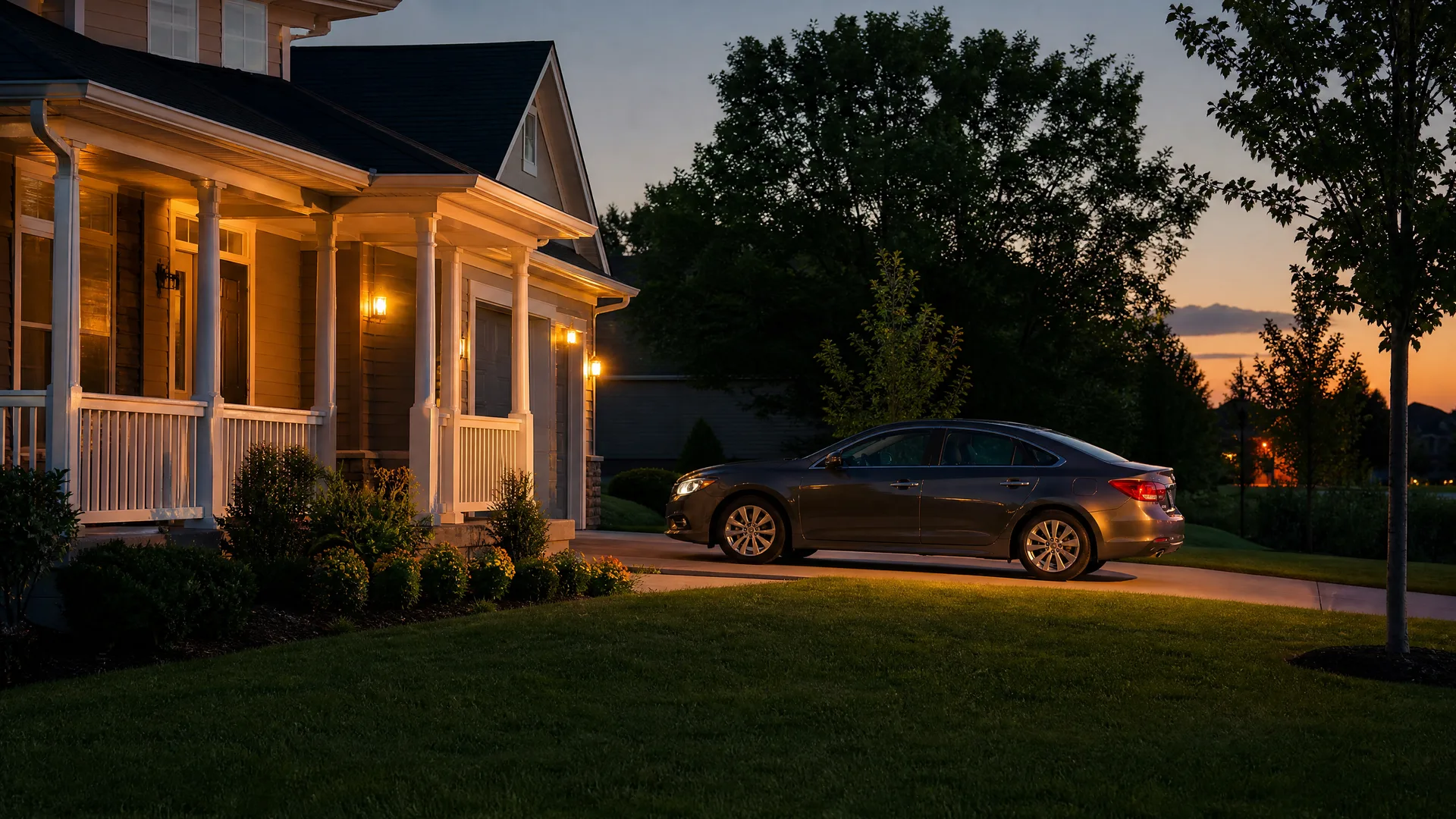
A car stolen two years into a five year loan
A driver's car was stolen from a parking garage and never recovered. The insurer investigated, confirmed the car was gone for good, and valued it based on its condition and mileage right before the theft. That value came in well under what was still owed on the loan, which is normal once you account for how fast a car's worth drops in the first few years.
The driver had gap coverage on the loan, so once the insurer paid out the car's value, the gap policy paid the remaining loan balance directly to the lender. The driver didn't receive a check themselves and didn't need to, because the loan was the debt that needed closing. They walked away with no loan balance and no car, and used that clean slate to decide whether to buy or lease next, without a leftover payment on a car they no longer had.
What if the payout is more than I owe?
If the car's value turns out to be higher than your loan balance, gap insurance has nothing to do. Gap only covers a shortfall, so when there isn't one, the comprehensive claim alone settles things and any money left after the loan is paid goes to you.
This matters because gap isn't extra money on top of your claim. It only steps in when the numbers run the other way, with more owed than the car was worth. Whether that's likely depends on how far into the loan you are, how much you put down, and how the loan was structured. Check your loan payoff amount against what similar cars are selling for now if you want a sense of where you stand before anything happens.

Whether you carry gap coverage
If you do
Your insurer pays the car's value, and your gap policy covers the remaining loan balance straight to the lender. You owe nothing further on a car you no longer have. You still need to handle a rental or replacement vehicle on your own in the meantime.
If you don't
Your insurer pays only the car's value, and you owe the rest of the loan balance yourself, even though the car is gone. You keep paying for something that no longer exists, on top of whatever you now spend to get around.
Once you know whether your loan leaves a gap your insurance won't cover, compare quotes that include it.
What decides whether gap coverage pays off for you
- How much you owe Check your current loan or lease payoff amount. The more you owe compared to the car's worth, the more a gap in coverage would cost you without this protection.
- Who the payout goes to Gap money pays your lender directly, not you. Don't expect a check in your name, the benefit is a cleared loan balance instead.
- Leases often include it Many leases build gap coverage into the contract. Check your lease terms before paying for a separate policy you may not need.
- How total loss gets defined The threshold for declaring a car a total loss varies by state and insurer. Ask your insurer directly how they calculate it for your policy.
- How long coverage lasts Gap coverage is often tied to the early years of a loan when you owe the most. Check whether yours expires or should be dropped once your loan balance catches up to the car's value.
Gap protects your loan, not your wallet, so what you still owe matters more than what the car was worth.