
Does a Comprehensive Claim Make Rates Go Up
A comprehensive claim can raise your rate, but it usually costs less than skipping a payout you're owed.
Insurers treat theft and vandalism differently than at-fault accidents
Comprehensive covers things that happen to your car, not because of how you drove it. Theft, vandalism, falling objects and weather all fall under it. Because none of that reflects your own driving, insurers generally weigh these claims differently than they weigh an at-fault collision. That doesn't mean a comprehensive claim never affects your rate, but it usually carries less weight than a crash you caused.
What actually moves your rate is pattern, not a single event. One comprehensive claim after years without one rarely changes much. Several claims in a short span, even comprehensive ones, can signal higher risk to an insurer and push your rate up at renewal. The timing matters too, since a claim filed right before a renewal review can land differently than one filed early in your term.
State rules shape this more than people expect. Some states limit how much a comprehensive-only claim can affect pricing, and some insurers offer accident or claim forgiveness that may or may not extend to comprehensive claims. Your policy documents or your agent can tell you how your specific contract treats this, and that answer varies company to company.
The bigger number to weigh isn't your future rate but what you'd lose by not filing. If your car was stolen or badly damaged, the payout often matters more over time than a modest rate change. Rate increases are usually temporary and reviewed again at your next renewal, while an unfiled loss is permanent.
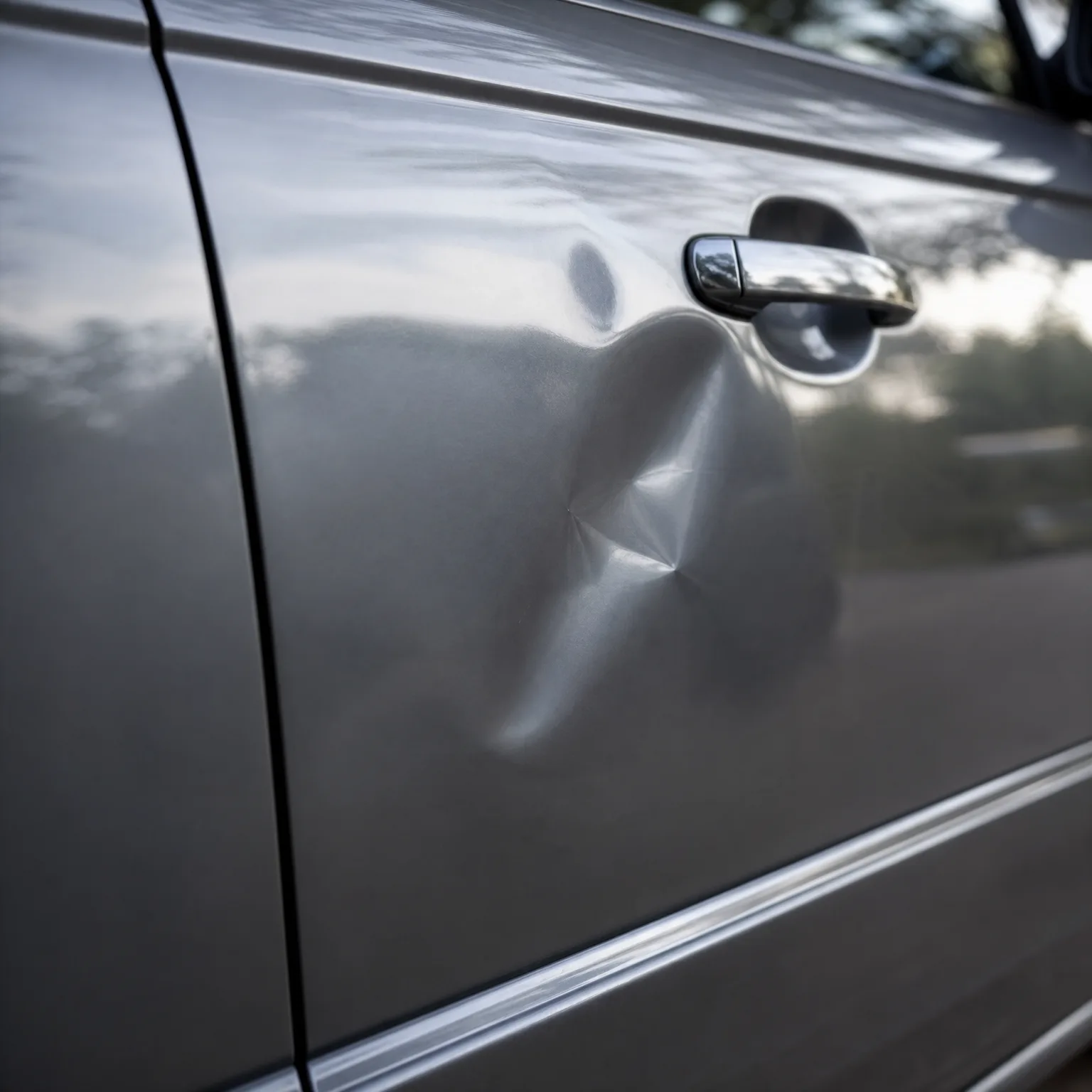
A car stolen from a driveway and recovered with damage
Someone wakes up to find their car gone from the driveway. They report it to the police first, then call their insurer to open a comprehensive claim, because the loss wasn't caused by their own driving. The insurer starts an investigation and arranges a rental car under their policy's coverage for that situation. A week later, the police recover the car with broken windows and stripped parts.
The insurer sends an adjuster to assess whether repair costs make sense against the car's value or whether it should be declared a total loss. In this case it's repairable, so the insurer covers the repair cost beyond the deductible, and the driver gets the car back running within a few weeks. At their next renewal, their rate goes up slightly, but far less than the repair bill would have cost out of pocket, and the increase is reviewed again at the following renewal.

The real cost isn't the rate change, it's what you give up by not filing at all.
Once you know how a comprehensive claim affects your rate, compare quotes to see where that cost actually lands lowest.
Will my rate go up more if the car is declared a total loss?
Not because it's a total loss specifically. A total loss and a repair are both comprehensive claims, and insurers generally respond to the type of claim and your claim history, not the repair outcome. What changes with a total loss is the size of the payout, not the size of the rate impact.
A total loss does end your relationship with that specific vehicle, which matters if you're shopping for a new policy on a replacement car. That new vehicle gets its own rating factors, separate from the claim history tied to the one that was stolen. So the total loss itself isn't what drives a bigger increase, it's that you're now insuring a different car.
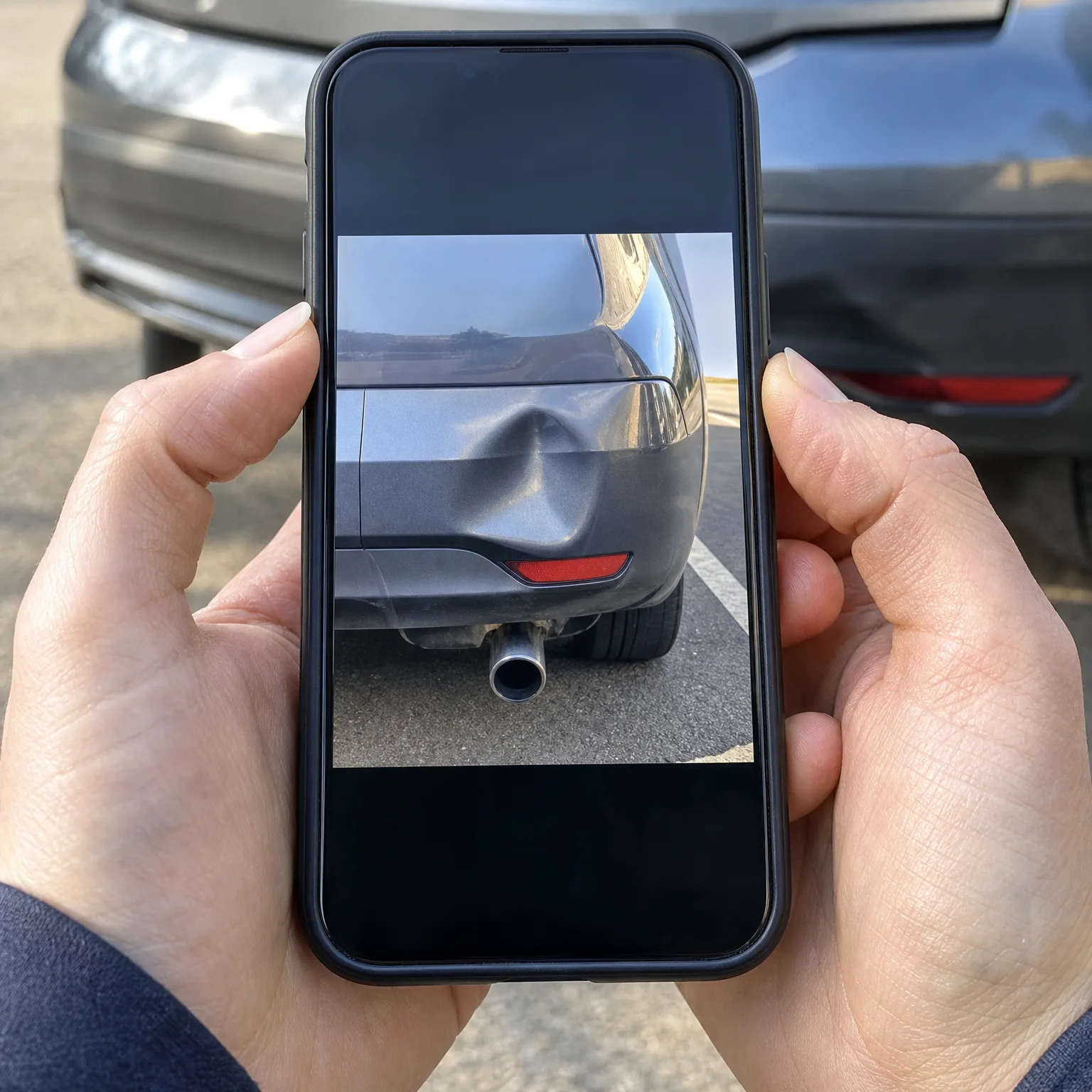
What decides how much a comprehensive claim affects you
- Your claim history One isolated claim rarely moves much. Check how many comprehensive or other claims you've filed in the past few years before assuming the worst.
- Your state's rules Some states limit rate impact from non-fault claims. Ask your agent or check your state insurance department's site for how your state treats this.
- Your specific policy terms Some policies include forgiveness programs that may cover comprehensive claims. Read your policy or call your insurer to find out if yours applies here.
- The size of the payout Larger payouts sometimes draw more scrutiny at renewal. Weigh that against what you'd lose by paying for theft or vandalism damage yourself.
- Timing of the claim A claim filed close to your renewal date may show up sooner than one filed early in your term. Ask when your renewal review happens if you're unsure.
Does filing a police report affect my insurance rate?
Not directly, but it's often required before an insurer will process a theft or vandalism claim at all. The report documents what happened and supports your claim, it doesn't factor into pricing itself. Skipping it can delay or jeopardize your payout, so file one even if you're unsure about filing a claim yet. Check your policy for any reporting deadline tied to this requirement.
Can I choose not to file and pay for repairs myself?
Yes, you can decline to file and pay out of pocket instead. This avoids any chance of a rate impact or claim history entry, but you lose the payout you're otherwise owed. Compare the repair cost against your deductible and any estimated rate change before deciding. If the damage is extensive, paying yourself rarely makes sense financially.
How long do comprehensive claims stay on my record?
This varies by insurer and by state, so there's no single answer. Some insurers look back several years at renewal, others weigh recent claims more heavily than older ones. Ask your insurer directly how far back they look and how a comprehensive claim specifically factors into that review. Your state may also regulate how long claims can affect pricing.