Do I Call the Police if My Catalytic Converter Is Stolen
Yes, call the police. You need the report on file before your insurer will pay a comprehensive claim for the theft.
What to do once you've reported the theft
- Get a copy of the report Ask for the report number or a copy before you leave or hang up. Your insurer will ask for it when you file your claim.
- Check for comprehensive coverage Theft is covered under comprehensive, not liability. Look at your policy or call your agent to confirm you carry it before you assume you're covered.
- Don't drive the car yet A car missing its catalytic converter is loud and can be unsafe to drive. Have it towed if your policy includes that, or ask your insurer what's covered.
- Tell your lender too Your loan or lease likely requires comprehensive coverage. Let your lender know about the theft, since the payout may go toward the loan balance first.
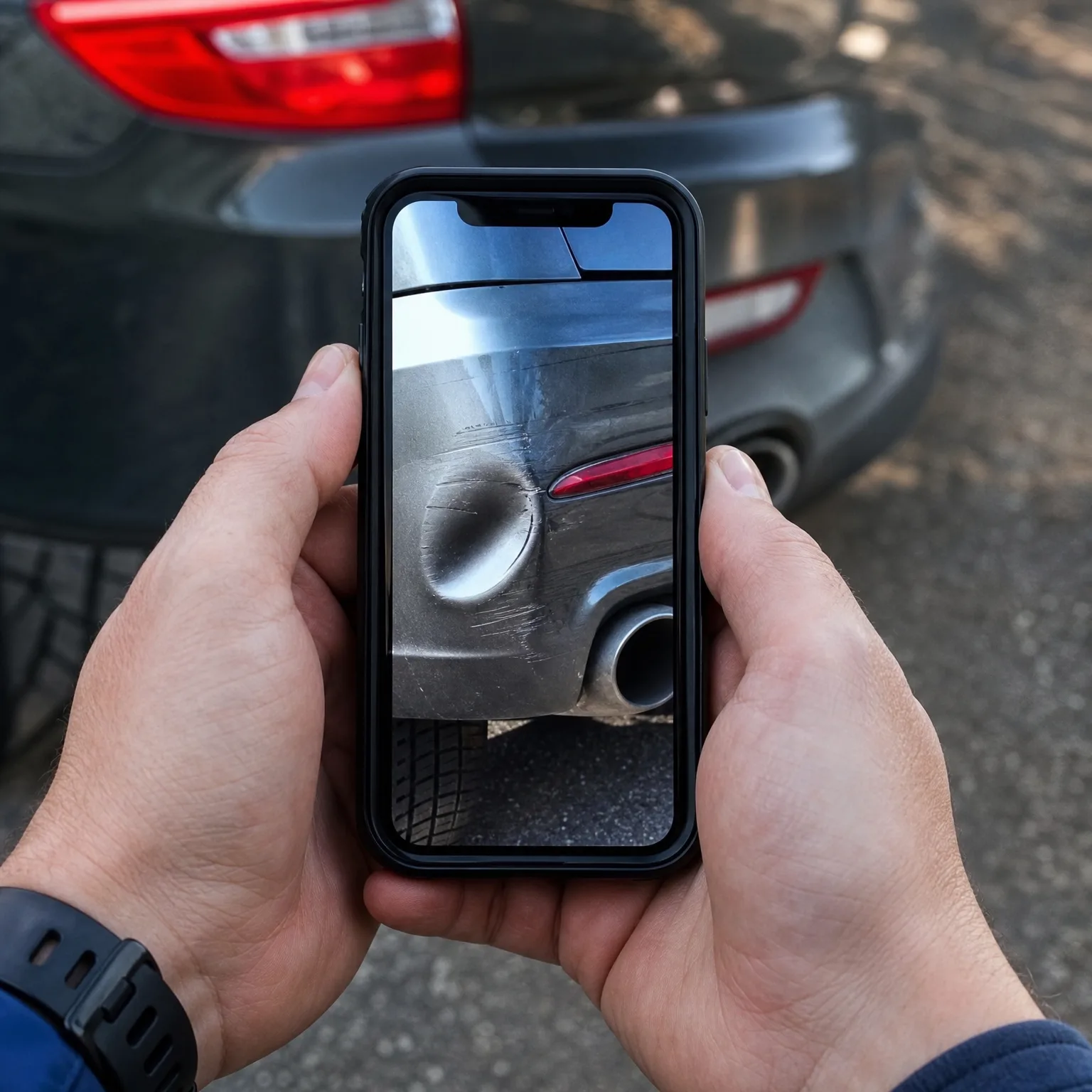
- Photograph the damage Take pictures of the cut pipes and empty space before any repair estimate. This supports both the police report and your claim.
A morning parking lot theft and what followed
A reader parked overnight in an apartment lot and came out to a car that roared when it started. She didn't know what was wrong until a neighbor pointed out the cut pipe underneath. She called the police non-emergency line, filed a report over the phone, and got a case number in a few minutes. She photographed the underside of the car before calling her insurer.
Her insurer asked for the police report number right away, along with the photos. Because she had comprehensive coverage, the claim moved forward once the report was logged. She still owed money on the car, so the insurer coordinated part of the payout with her lender while the rest went toward the repair shop. The whole process took longer than she expected, but having the report ready from the start kept it from stalling. She rented a car in the meantime using a benefit she didn't know was on her policy until she asked.

Call the police or skip it and go straight to your insurer
If you do
You get a report number that documents the theft happened and when. Your insurer uses it to process your comprehensive claim. Some areas also track converter thefts for pattern crimes, so your report might help catch a ring operating nearby.
If you don't
Your insurer may delay or deny the claim without a report, since they need proof this was theft and not neglect or an accident. You also lose the chance to have the theft logged if the part turns up in a recovered batch later.
Once you've filed the report, compare comprehensive coverage quotes so you're not caught without this protection again.
Why the report matters more than it seems to
A police report exists to create an independent record of what happened, separate from your word alone. Insurance companies rely on that record because comprehensive claims cover theft and vandalism, and both are easy to fake or exaggerate without outside documentation. The report doesn't have to lead to an arrest or a recovered part to be useful. Its job is to establish that a crime happened, not to solve it.
Catalytic converter theft is common enough that many insurers now ask for the report as a standard step, not an exception. Underneath this is a simple incentive problem. Without some form of verification, claims would be harder to trust and slower to pay out across the board. The report shifts some of that verification work to law enforcement instead of leaving it entirely to the insurer's judgment.
There are cases where the order matters less than people think. If your car is undrivable and you need a tow immediately, you can call for help first and file the report shortly after, as long as you do it before contacting your insurer. What matters most is that the report exists before or alongside your claim, not that it happens in a strict sequence.
Some departments handle these reports differently depending on how common the theft is in your area. In places with frequent converter thefts, you may be able to file online or over the phone without an officer coming to the scene. Check with your local department or your insurer's claims instructions for what they expect, since this is one of the details that varies by location.

The report isn't paperwork for its own sake. It's the proof your claim depends on.
How long will my insurance claim take after a catalytic converter theft?
There's no fixed timeline, and it depends on your insurer, your state, and how backed up local claims adjusters are. Simple theft claims with a clear police report and clean documentation tend to move faster than claims involving disputes or missing paperwork.
What you can control is how complete your file is from the start. Submit the police report, photos, and any rental or towing receipts together rather than piecemeal. Ask your insurer directly what their typical turnaround is for comprehensive theft claims, since this varies by company and isn't something a generic answer can tell you. If your claim stalls past what they quoted you, follow up directly and ask what's missing rather than waiting for an update to come to you.