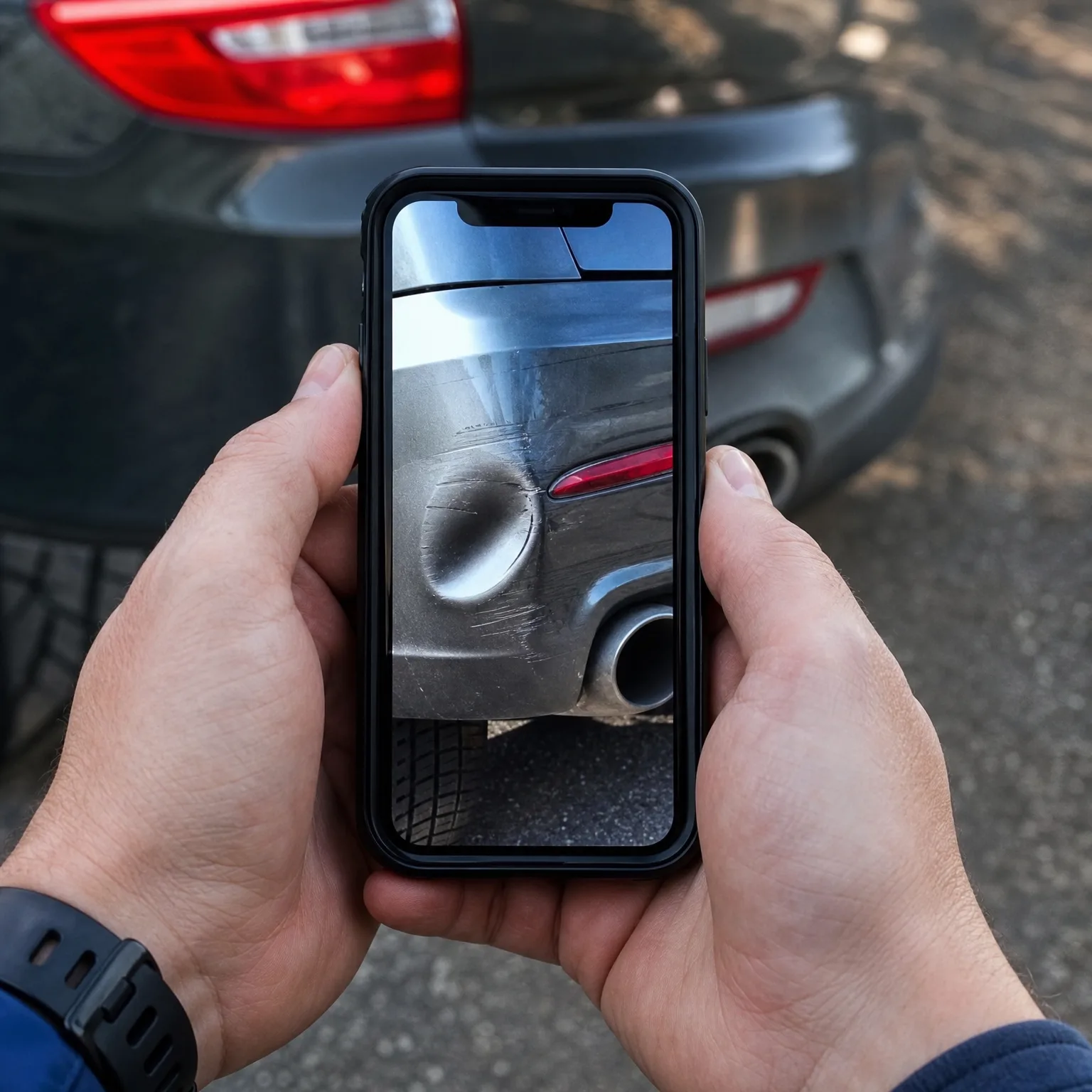
Do Catalytic Converter Shields Really Work
A properly installed shield stops or slows most theft attempts, but no shield makes your car untouchable.
Why shields help but don't guarantee anything
A catalytic converter theft usually takes a thief a few minutes with a battery saw. A shield's whole job is to turn those minutes into too many minutes. Thick steel or cable-mesh shields bolted around the converter force a thief to cut through hardened material first, and most will give up and move to an easier car instead. That's the real mechanism, not invincibility, just enough added time and noise to make your car a worse target than the one parked next to it.
How well that works depends on the shield itself. A flimsy stamped-metal plate slows almost no one. A welded or cage-style shield from a reputable maker, installed correctly by someone who knows your vehicle's underside, is a different story entirely. Fit matters as much as material. A shield installed loosely or at the wrong angle leaves gaps a thief can exploit, so the installer and the product both count.
Vehicle type changes the equation too. Trucks and SUVs sit higher, giving a thief easy access underneath, so shields matter more there. Hybrids are targeted more often because their converters contain more of the valuable metals thieves are after, which also makes a shield a stronger investment for those cars. A sedan with a converter that's harder to reach already has some natural protection a shield only adds to.
No shield stops a determined thief with enough time and the right tools. What shields reliably do is remove you from the pool of easy targets, which is where most casual theft happens. Where you park, your neighborhood's theft patterns, and whether you also use a car alarm or motion light all factor in alongside the shield itself.
The short version
Yes, a well-made shield installed correctly works, mainly by adding time and difficulty that pushes thieves toward easier targets instead. It doesn't guarantee your converter is safe. If you're considering one, prioritize a shield rated for your specific vehicle and have it professionally installed rather than choosing on price alone.
Will a shield lower my car insurance costs?
Possibly, but it depends entirely on your insurer and isn't guaranteed. Some insurers offer a discount or credit for anti-theft devices including converter shields, while others don't factor it in at all. Coverage for converter theft itself comes from comprehensive coverage, not from having a shield, so the shield doesn't change whether you're covered.
What it can change is your claims history. Fewer thefts mean fewer claims, and fewer claims over time can help keep your rate from rising even if there's no upfront discount. Call your insurer directly and ask what anti-theft devices they recognize and whether a shield specifically qualifies. Keep your installation receipt, since some insurers want documentation before applying any credit.
Once you know what a shield realistically adds, compare quotes to make sure your comprehensive coverage backs it up.

Installing a shield versus leaving your converter exposed
If you do
A thief who tries your car hits solid resistance and most move on within seconds rather than fight through it. You spend money upfront but lower your odds of becoming a target, especially in a truck, SUV, or hybrid. You still carry comprehensive coverage as backup, since no shield is absolute.
If you don't
Your converter stays reachable with basic tools, and a thief needs only a few unhurried minutes underneath your car. If you're in a high-theft area or drive a commonly targeted vehicle, you're relying entirely on luck and location. Recovery means a comprehensive claim, a deductible, and time without your car while it's repaired.

What actually determines whether a shield protects you
- Shield material and build Thin stamped metal slows almost nobody, while welded steel or cable mesh forces real cutting time. Check what the shield is actually made of before buying, not just its marketing.
- Professional installation A shield installed loosely or at the wrong angle leaves exploitable gaps. Have it installed by a shop familiar with your exact make and model.
- Your vehicle type Trucks, SUVs, and hybrids are targeted more often and benefit more from a shield. A sedan with a hard-to-reach converter already has some natural protection.
- Comprehensive coverage as backup A shield reduces risk but doesn't replace coverage. Confirm you carry comprehensive coverage so you're protected even if a thief gets through.
- Where you park matters too A shield paired with a garage or well-lit area multiplies its effect. Combine it with parking habits rather than treating it as a standalone fix.
A shield doesn't make you safe, it makes you harder than the car next to you, which is usually enough.