Car Damage Found After a Repair Claim
You go back to the same claim, not a new one, and the shop or insurer that did the work owes you a real fix.
The original claim stays open until the car is actually fixed right
A repair claim isn't finished when you pick up the car. It's finished when the damage from that accident is fully corrected. If something was missed, done wrong, or breaks again because of how it was repaired, that's still part of the same claim, not a new problem you have to pay for separately.
Most repair shops guarantee their work, often for as long as you own the car, and insurers also stand behind repairs they approved or directed you to. That's why the first call should go to whoever did the repair, then to the insurer handling the original claim. You're not asking for a favor. You're asking them to finish what they already agreed to pay for.
Where this gets complicated is figuring out whether the new damage is actually related. A rattle that shows up where the bumper was replaced is clearly connected. A problem in a totally different part of the car might not be, and the shop or insurer may push back and say it's unrelated wear or a separate incident. This is where documentation matters, including photos from before the accident if you have them, the original estimate, and a clear timeline of when you noticed the issue.
State rules on repair warranties and how long a shop must honor them can vary, and so can how insurers handle disputes over whether damage is related. Check your state's consumer protection rules for auto repairs and ask the shop directly what their guarantee covers and for how long.
What if the shop or insurer says the new damage isn't their fault?
This happens, and it's where you need to slow down and build your case rather than argue on the phone. Ask for their reasoning in writing, specifically what makes them believe the damage is unrelated to the original repair.
Then gather your own evidence. Photos from right after the first repair, any paperwork showing what was and wasn't replaced, and a written note of exactly when you first noticed the new problem all help. If you have a receipt or inspection from before the accident showing that part of the car was fine, that's strong support.
If you're still stuck, you can ask for an independent inspection, sometimes through the insurer's appraisal process or a third-party mechanic. Many states also have a complaint process through the insurance department for disputes like this, which can push a stalled claim forward.
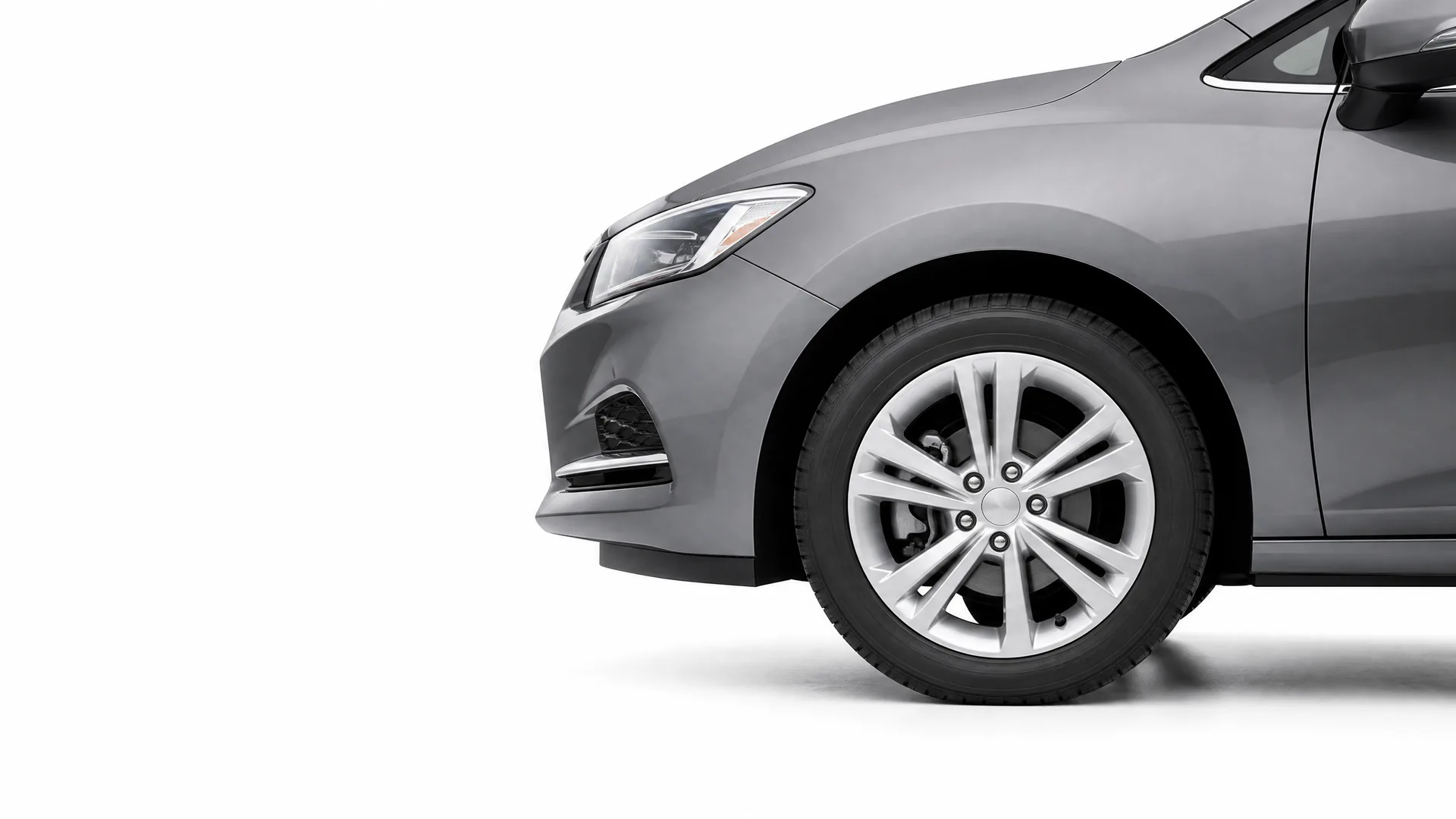
This isn't a new claim you have to justify from scratch. It's the same claim, unfinished.
Once you understand how repair guarantees and claim follow-ups work, compare quotes knowing what support you're buying.

Going back to the shop and insurer versus paying out of pocket
If you do
You contact the shop and insurer right away, show them the new damage, and ask them to finish the job under the original claim. Most of the time this costs you nothing extra and gets resolved without a new claim or a new deductible, since it's treated as a continuation of the first repair.
If you don't
You pay for a second repair yourself, possibly fixing it wrong again if you skip the shop that did the original work. You lose any repair guarantee, and if the issue turns out bigger later, proving it was connected to the first accident gets much harder.
What to do when you find damage after a repair claim
- Call the repair shop first Most shops guarantee their work. Tell them exactly what you found and ask them to inspect it under that guarantee before you pay anyone else.
- Reopen the same claim Contact the insurer that handled the original repair and ask them to reopen it rather than filing new. This avoids a new deductible in many cases.
- Document everything now Take photos, save texts, and write down the date you noticed the problem. This record matters if anyone later disputes the cause.
- Ask for an independent look If the shop or insurer denies responsibility, request a second inspection from an independent mechanic or appraiser to settle the question.
- Check your state's repair rules Warranty length and dispute processes for auto repairs vary by state. Your state's consumer protection office can tell you what applies.
A rattle that showed up a month after a fender repair
A driver had their fender and headlight replaced after a minor collision. Three weeks later, they noticed a rattling sound near the same spot whenever they hit a bump. They weren't sure if it was related or just an unrelated issue with an older car, but they decided to go back to the shop before paying anyone else to look at it.
The shop inspected it and found a mounting bracket from the headlight replacement hadn't been secured properly. Because it was clearly tied to their work, they fixed it immediately at no charge, under their standard repair guarantee. The driver never had to contact the insurer at all, since the shop handled it directly. The whole thing cost them only the time to drive back in and wait for the fix.