Can Someone Disable My Key Fob
Yes, someone nearby can block or jam your key fob signal, which can trick you into leaving your car unlocked.
The signal between your fob and your car can be interrupted
A key fob talks to your car over a short radio signal, and like any radio signal it can be blocked. Someone with a cheap jamming device can sit near your car and interrupt that signal the moment you press lock. You walk away hearing a click or seeing a flash that never actually happened, and your car sits unlocked.
This is different from someone cloning your fob or starting your car remotely, which takes more specialized equipment and usually targets a specific vehicle. Jamming is opportunistic. It works on whoever happens to park and walk away at the wrong moment, which is why it shows up in parking lots, apartment complexes, and driveways alike.
What happens next depends on what's inside the car and what the person wants. Some jamming incidents end with a rummaged glove box and nothing else. Others end with the car gone, especially if a spare key or garage opener was left inside. The method of entry matters less to your insurer than what was actually taken or damaged, so the gap between a minor break-in and a stolen vehicle comes down to opportunity, not just the jamming itself.
Whether your policy responds depends on what coverage you carry, not on how the person got in. Comprehensive coverage is the part of a policy that typically handles theft and break-ins, as opposed to collision coverage, which handles crashes. Whether comprehensive is on your policy, and what it pays out, varies by insurer and by the choices made when the policy was written. Check your declarations page or your insurer's app to see whether comprehensive is listed and what deductible applies.
What to do once you suspect a jamming break-in
- Check before you assume Look for a chirp or flash you don't remember hearing, or try the handle before you accept it was locked. This habit alone prevents most jamming-related losses.
- Confirm your coverage Look at your declarations page for comprehensive coverage, since that's typically what responds to break-ins and theft rather than collision coverage. If it's missing, call your insurer before you need it.
- Report to police first File a police report before you file an insurance claim, since most insurers require one for theft or break-in claims. Get a copy or the report number for your records.
- Document what's missing List everything taken or damaged, including anything in the glove box, trunk, or console. Insurers often ask for this before they'll estimate a payout.
- Ask about rental coverage If the car was taken, not just entered, ask your insurer whether your policy includes a rental or transportation benefit. This is usually a separate add-on, not automatic.

Checking your car is locked before you walk away
If you do
You glance back, see the light flash or hear the chirp, and know your car is actually secured. If it doesn't lock, you notice immediately and can try again or wait a moment before walking off, keeping anything valuable with you instead of inside.
If you don't
You walk away assuming it locked because that's what usually happens. If a jammer blocked the signal, your car sits open the entire time you're gone, and anything inside is available to whoever is watching, with no sign anything is wrong until you return.
Once you know whether comprehensive coverage is on your policy, compare quotes to see what a break-in would cost you.
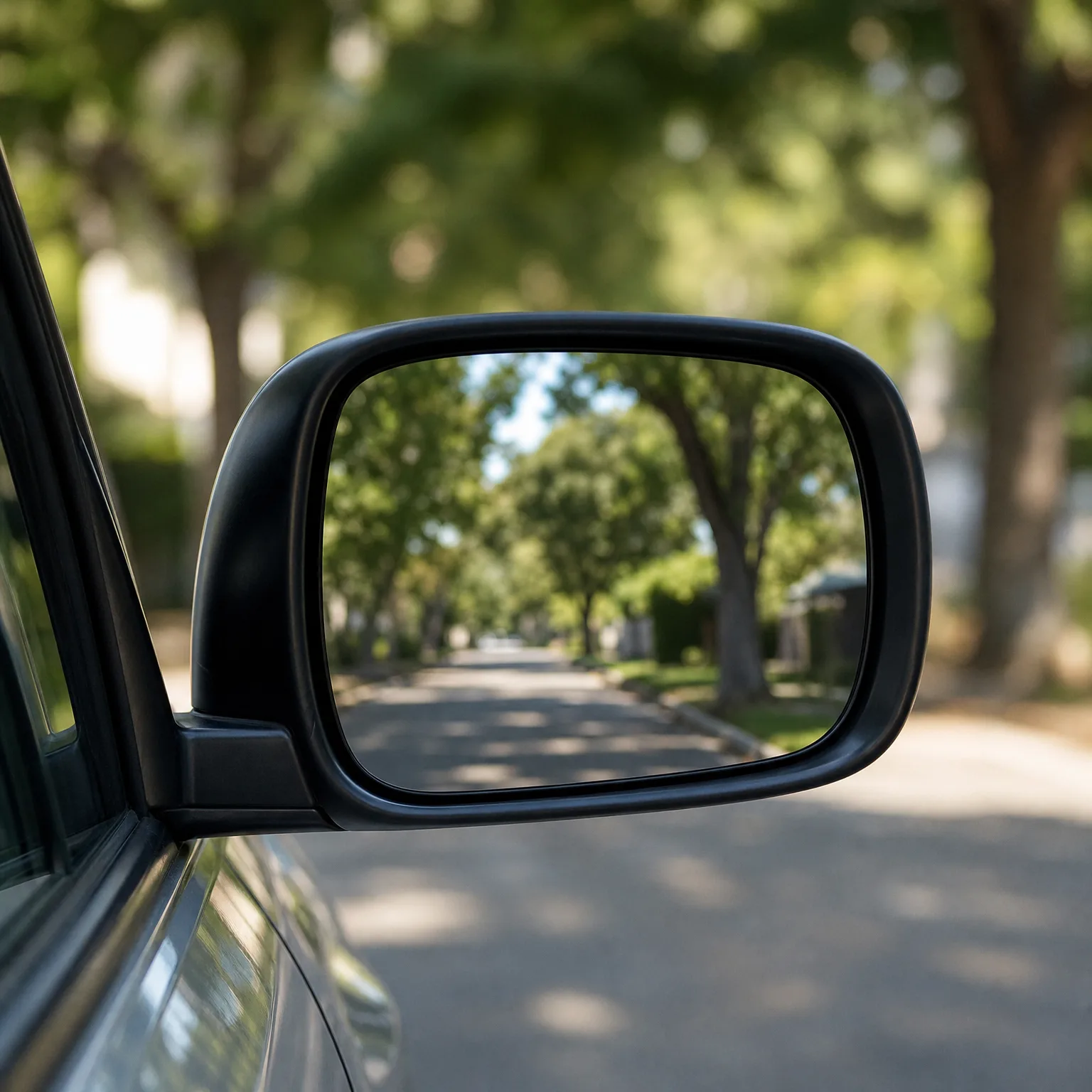
A console rummaged through in a grocery store lot
A driver parked at a grocery store, pressed the lock button, and heard what sounded like the usual chirp. They came back forty minutes later to find the console open and a bag from the back seat gone, though the car itself was untouched and still drivable. Nothing about the door or window looked forced, which confused them until they learned that key fob jamming leaves no physical damage at all.
They filed a police report that afternoon, since the officer explained most insurers want one on file for any theft claim even when the car wasn't taken. Checking their declarations page showed they carried comprehensive coverage with a deductible, so they filed a claim listing the stolen bag and its contents. The insurer asked for receipts or estimated values for each item, paid out the claim minus the deductible, and the driver started checking the door handle every time afterward instead of trusting the chirp alone.
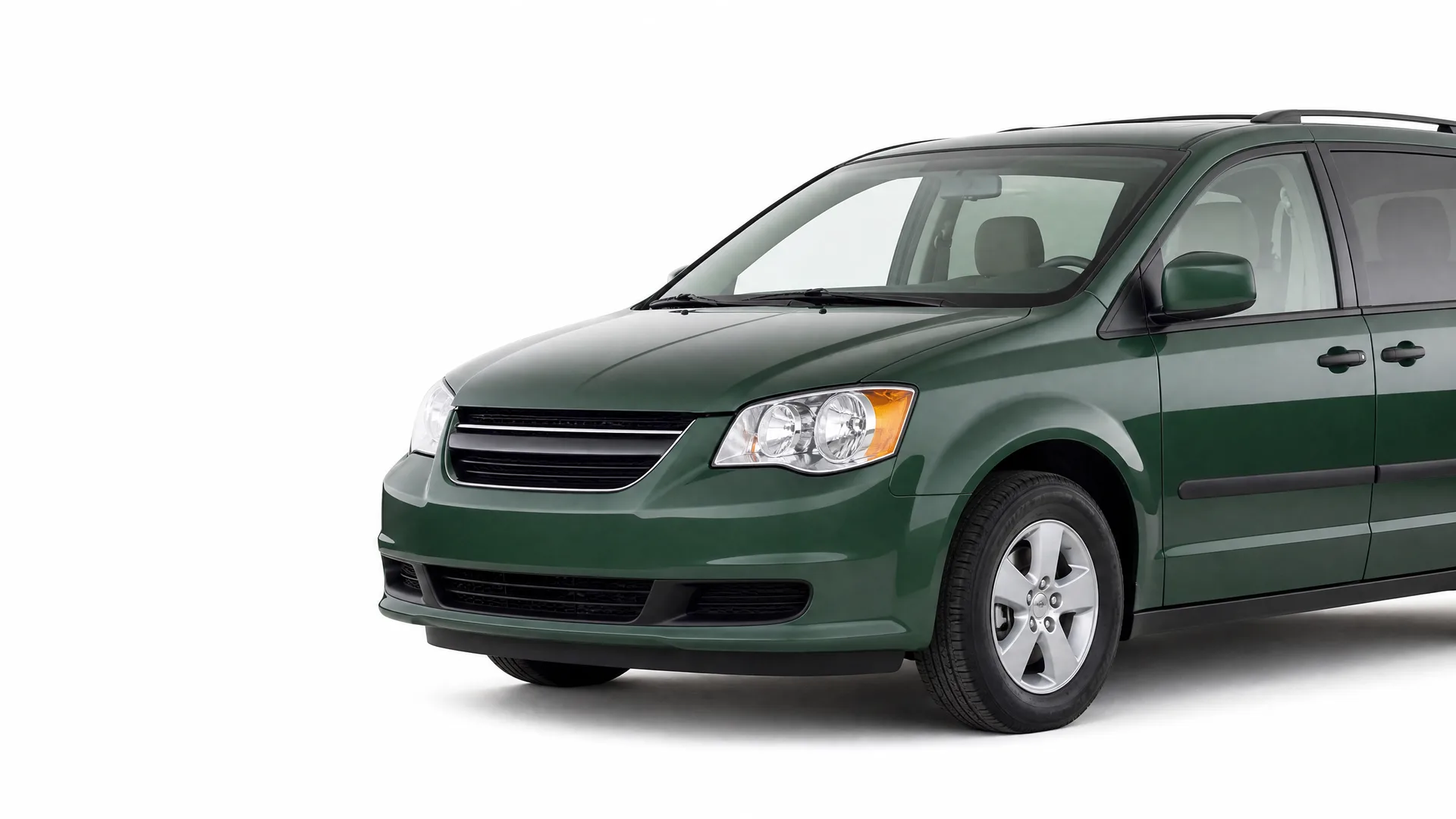
A lock chirp doesn't guarantee a locked door, so the habit that protects you is checking, not listening.
How do I know if my car was jammed versus actually unlocked by mistake?
You usually can't know for certain in the moment, but the pattern afterward is often the clue. If nothing looks forced, no window is broken and no lock is damaged, yet something is missing or moved, jamming is a reasonable explanation, especially if you remember pressing the lock button.
Your insurer and the police may ask the same question, since it affects how the incident gets classified. Mention that you recall locking the car and that there's no visible damage, because that detail is often what separates a jamming-related break-in from simple forgetfulness. If you have any dashcam footage or if your car's app shows lock status history, that can help confirm what happened. In most cases it doesn't change whether your claim is covered, only how it's described, but it does affect whether you should start checking the door handle going forward instead of trusting the sound alone.